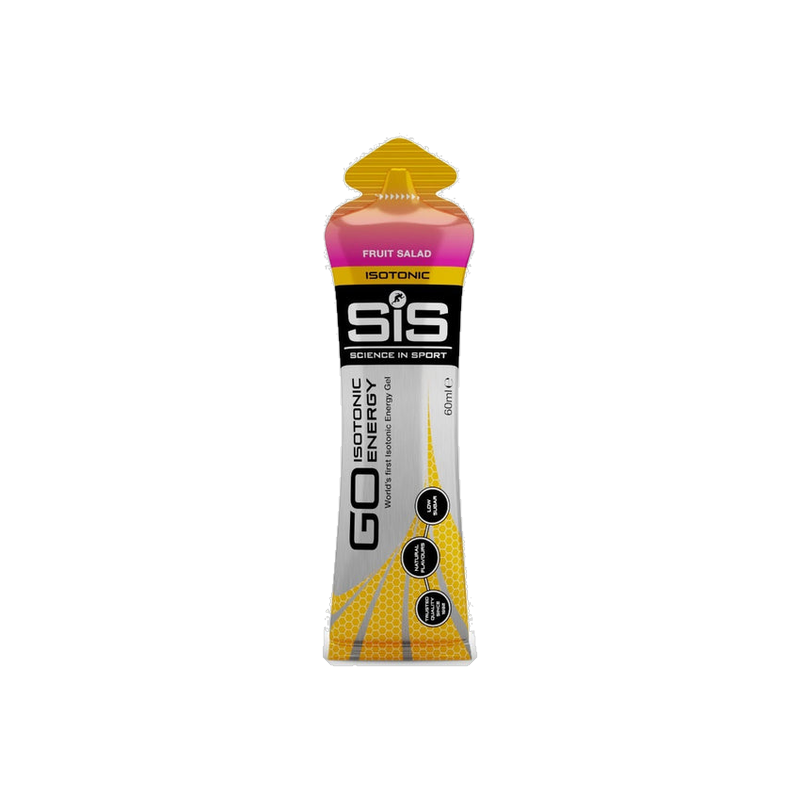
Science In Sport GO Isotonic Energy Gel 60ml - Single Unit (Fruit Salad)
- Gel
- 22 g carbs per serving
- From Science In Sport's label
Science In Sport GO Isotonic Energy Gel 60ml - Single Unit (Fruit Salad) has 22 g carbs, 10 mg sodium per serving, from R44 a serving at the cheapest size. Value score 2.9/10 (poor value).
Easily digestible by the stomach providing energy fast. No need for additional water. Convenient form-factor for versatile fuelling. A liquid carbohydrate energy gel created using maltodextrin. Officially the World's first Isotonic Energy Gel and Winner of the Queen’s Award for Enterprise in 2015. It continues to be a go-to energy source for elite athletes worldwide.
- Used as part of your fuelling strategy
- the GO Isotonic Energy Gel can help you maintain your pace for longer
- Isotonic formula means no need for additional water or fluids
- Easily & quickly absorbed by the stomach
- providing energy fast
- No artificial flavours
Decision helper the numbers athletes compare
| Cost score against the Endure average | 3.4/10 |
|---|---|
| 35 products in the category | +1.07σ |
| Requires >2 servings/hr to hit 60 g | -0.5 |
| Value score | 2.9/10 |
On the label per serving, 60ml
| Energy | 87 kcal |
|---|---|
| Carbs | 22 g |
| Sugar | 0.6 g |
| Protein | 0 g |
| Fat | 0 g |
| Sodium | 10 mg |
| Potassium | 0 mg |
| Caffeine | 0 mg |
| Carb type | Maltodextrin |
| Glucose to fructose | 1:0 |
| Carb sources | Maltodextrin |
Who it suits and where it falls short
This product is ideal for endurance athletes who require rapid energy delivery during their activities. It suits marathon runners tackling long training runs, cyclists on extended rides exceeding two hours, and triathletes needing quick carbohydrate replenishment during races. The isotonic nature makes it convenient for those who prefer not to carry additional water, such as trail runners navigating technical terrain where hydration access is limited.
90min tempo run, 2hr cycling endurance ride, 3hr long run, brick workout (bike-run), half-marathon race pace session
- Isotonic formula eliminates need for extra water.
- Rapid absorption due to maltodextrin.
- Convenient single-serving package.
- No artificial flavors enhance natural taste.
- Low sugar content reduces risk of GI distress.
- Single-source carb limits absorption rate.
- Low sodium content may require additional electrolyte supplementation.
- High cost per gram of carbohydrate.
- Lack of fructose limits dual transporter usage.
How to use it, by distance
For a 5k, the gel may not be necessary due to the short duration. Focus on pre-race nutrition instead.
Consume one gel 15 minutes before the race to top off glycogen stores, given the moderate distance.
Take one gel 10 minutes before the start and another at the 45-minute mark to maintain energy levels.
Consume a gel 10 minutes before the race, then every 45 minutes. Aim for 60g of carbs per hour, supplementing with other sources as needed.
The science in short
Best used during mid-length endurance sessions where rapid energy is needed without additional hydration.
Isotonic — The gel is designed to match body fluid osmolality, ensuring rapid gastric emptying and absorption without causing dehydration.The GO Isotonic Energy Gel is a convenient option for athletes needing quick energy without additional water. Its isotonic formula is a significant advantage, but the single-source carbohydrate limits its overall effectiveness for longer events requiring higher carbohydrate intake. The low sodium content also necessitates additional electrolyte supplementation. While it is a solid choice for shorter or mid-length sessions, athletes should consider pairing it with other carbohydrate sources for optimal performance in longer events.
The use of maltodextrin as the primary carbohydrate source allows for rapid gastric emptying and absorption through the SGLT1 transporter. The isotonic nature ensures that the gel does not draw water into the gut, preventing dehydration. However, the lack of fructose means that the GLUT5 transporter is not utilized, limiting maximum carbohydrate absorption to around 60g per hour.
The main downside is the single-source carbohydrate, which limits the total carbohydrate absorption rate. Athletes may need to consume multiple gels or supplement with other carbohydrate sources to meet higher energy demands.
At R44 per 60ml serving, the cost per gram of carbohydrate is relatively high, especially given the single-source nature.
0.367g/ml, which is typical for isotonic gels but lower than concentrated gels.
Single-source carb, relying solely on maltodextrin, limiting absorption to SGLT1 pathways.
Maltodextrin — glucose pathway (SGLT1)
Contains 10mg of sodium, which is low compared to typical sweat losses of 300-600mg/hr, necessitating additional electrolyte supplementation.
1:0 — Limits absorption to around 60g/hour due to lack of fructose.
3 gels = 66g carbs, within 60-90g/hr ceiling
- ⚡ High spike risk — best mid-effort. Risk of rebound hypoglycemia.
- 🔒 Single-source carb — limited to ~60g/hour via SGLT1 only.
Using it in training and racing
- acidity
- moderate — Balanced acidity that enhances the fruit flavor without overwhelming.
- summary
- After a long run, the gel's light texture and refreshing taste were a welcome energy boost without needing extra water.
- texture
- The gel requires moderate pressure to squeeze out, dissolving quickly in the mouth without residue.
- mouthfeel
- gel-like — Smooth texture with a slight thickness, easy to swallow without water.
- sweetness
- moderate — Comparable to a diluted sports drink, not overly sugary.
- aftertaste
- clean — Leaves a refreshing finish without lingering sweetness.
- available flavors
- Fruit Salad
- tips
- Start with small doses to assess tolerance., Practice timing to avoid GI distress., Pair with electrolyte drinks for longer sessions., Use in training to avoid surprises on race day.
- week 1
- Consume 1 gel during a 60-minute run twice a week to start adaptation.
- week 2
- Increase to 2 gels during a 90-minute session, focusing on timing and pacing.
- week 3
- Simulate race conditions by consuming 3 gels during a 2-hour run at race pace.
- week 4
- Perform a full race rehearsal, using 4 gels over a 3-hour session, mimicking marathon conditions.
As a gel, no mixing is required. Simply tear open the sachet and consume directly. Ensure to practice during training to gauge personal hydration needs, especially in hot conditions.
In heat, the gel may become more fluid, making it easier to consume but potentially messier. In cold conditions, it may thicken slightly, requiring more effort to squeeze out. Freezing is not recommended as it can alter texture.
Features a tear notch for easy opening, suitable for one-handed use. Minimal sticky residue, fits well in running belts and cycling jersey pockets.
The packaging does not provide specific information on recyclability or sustainability practices. Athletes concerned with environmental impact should consider this when choosing products.
- Electrolyte tablets for sodium supplementation.
- Fructose-based gels for dual carb absorption.
- Hydration packs for longer endurance sessions.
- The isotonic formula is highlighted as a key benefit for rapid absorption (source: product description).
- Maltodextrin is noted for its fast-acting energy delivery (source: product description).
- The gel's convenience is emphasized by its single-serving packaging (source: product description).
- The low sodium content is a consideration for athletes with high sweat rates (source: nutrition facts).
## Who It's For
The GO Isotonic Energy Gel is tailored for endurance athletes who need a quick and efficient carbohydrate source during their activities. It's particularly beneficial for marathon runners, cyclists, and triathletes who engage in sessions lasting over 90 minutes. The gel's isotonic nature means it can be consumed without additional water, making it ideal for athletes in situations where hydration access is limited, such as trail runners navigating technical terrain.
## Inside the Formulation
This gel is primarily composed of maltodextrin, a fast-acting carbohydrate that provides 22 grams of energy per serving. The isotonic formula ensures that it is rapidly absorbed without drawing water into the gut, preventing dehydration. However, the single-source carbohydrate limits the gel's absorption rate to approximately 60 grams per hour, as it only utilizes the SGLT1 transporter. The absence of fructose means that the GLUT5 transporter is not engaged, which could limit the gel's effectiveness during prolonged endurance events.
## On Course: How to Use It
For optimal performance, consume one gel 10 minutes before starting your activity to top off glycogen stores. During a marathon, aim to take a gel every 45 minutes to maintain energy levels, targeting around 60 grams of carbohydrates per hour. The gel's low sodium content means that additional electrolyte supplementation may be necessary, especially for athletes with high sweat rates.
## How It Compares
Compared to other energy gels, the GO Isotonic Energy Gel stands out for its convenience and rapid absorption due to its isotonic nature. However, it falls short in terms of carbohydrate diversity, as it relies solely on maltodextrin. This limits its absorption capacity compared to multi-source gels that combine glucose and fructose for dual transporter utilization.
## Training Your Gut
To maximize the gel's benefits, incorporate it into your training routine. Start by consuming one gel during a 60-minute run twice a week to assess tolerance. Gradually increase to two gels during longer sessions, focusing on timing and pacing. Simulate race conditions by using three gels during a 2-hour run at race pace. Finally, perform a full race rehearsal, consuming four gels over a 3-hour session to mimic marathon conditions.
## The Verdict
The GO Isotonic Energy Gel is a convenient and effective option for athletes seeking rapid energy delivery without the need for additional water. Its isotonic formula and ease of use make it suitable for mid-length endurance sessions. However, the single-source carbohydrate limits its overall effectiveness for longer events requiring higher carbohydrate intake. Athletes should consider pairing it with other carbohydrate sources for optimal performance in longer races. The low sodium content also necessitates additional electrolyte supplementation, particularly in hot conditions or for those with high sweat rates.
Sizes and where to buy
Questions about GO Isotonic Energy Gel 60ml - Single Unit (Fruit Salad)
How many carbs are in Science In Sport GO Isotonic Energy Gel 60ml - Single Unit (Fruit Salad)?
22 g of carbs per serving (60ml), with 10 mg sodium, from Science In Sport's label.
What does Science In Sport GO Isotonic Energy Gel 60ml - Single Unit (Fruit Salad) cost per serving?
From R44 a serving at the cheapest size, which buys 5 g of carbs per R10.
How many gels should I consume during a marathon?
For a marathon, aim to consume one gel every 45 minutes. This will help maintain energy levels and provide approximately 60 grams of carbohydrates per hour, which is within the optimal range for endurance performance.
How does this gel compare to its main competitors?
The GO Isotonic Energy Gel is unique for its isotonic formula, which allows for rapid absorption without additional water. However, it uses a single-source carbohydrate, unlike competitors that offer multi-source options for enhanced absorption.
Does this gel contain caffeine?
No, the GO Isotonic Energy Gel does not contain caffeine. Athletes looking for a caffeine boost will need to supplement with other products.
How should I store the gel in hot weather?
In hot weather, store the gel in a cool, shaded area to prevent it from becoming too fluid. Avoid direct sunlight to maintain its consistency and effectiveness.
Can the gel be frozen for storage?
Freezing is not recommended as it can alter the gel's texture and make it difficult to consume. Store at room temperature for best results.
How can I train my gut to handle this gel?
Start by consuming one gel during shorter training sessions to assess tolerance. Gradually increase the number and frequency during longer runs to simulate race conditions and adapt your gut.
Is the gel vegan and free from common allergens?
The gel does not contain any animal-derived ingredients, making it suitable for vegans. However, always check the packaging for specific allergen information.
What are the side effects of consuming too many gels?
Consuming too many gels can lead to gastrointestinal distress, including bloating and diarrhea. It's important to follow recommended dosing and practice during training to find your personal tolerance.
In our journal featuring GO Isotonic Energy Gel 60ml - Single Unit (Fruit Salad)
Compare with gels close in carbs
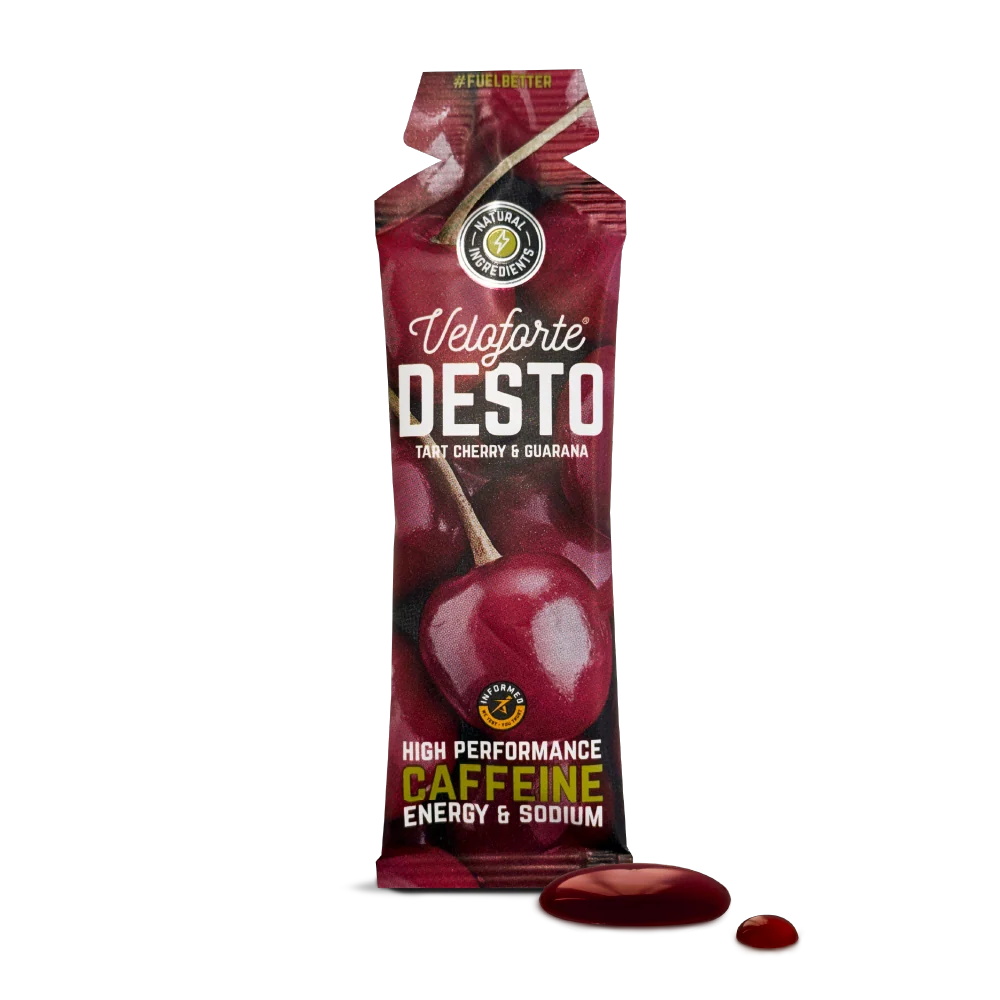
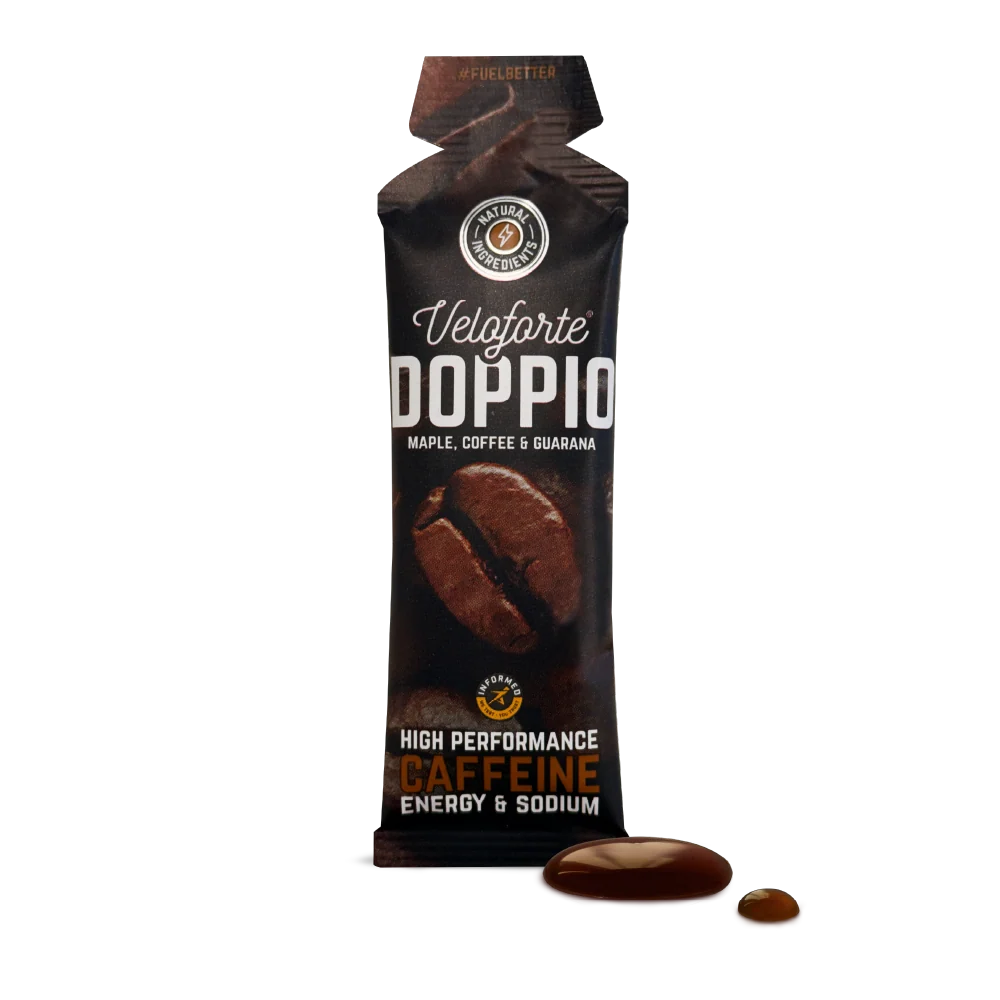
- Beta Fuel 60ml Gel - 30 Pack (Strawberry & Lime) vs GO Isotonic Energy Gel 60ml - Single Unit (Fruit Salad) vs HIGH ENERGY GEL 76g - Energy Gel NON CaffeineCompare ›
- GO Isotonic Energy Gel 60ml - Apple vs Iso Fuel Gel - Green Apple vs Vooma Ultra Energy Gel - Peach vs GO Isotonic Energy Gel 60ml - Fruit SaladCompare ›
- GO Isotonic Energy Gel 60ml - Fruit Salad vs Endure Tabs - Chewable Energy vs Energy GelCompare ›
- GO Isotonic Energy Gel 60ml - Single Unit (Fruit Salad) vs Beta Fuel 60ml + Nootropics Gel - 6 Pack (Lemon & Lime) vs Beta Fuel Gel + Electrolyte 60ml - Single Unit (Raspberry & Lemon)Compare ›
- GO Isotonic Energy Gel 60ml - Single Unit (Fruit Salad) vs Vooma Ultra Energy Gel - ChocolateCompare ›
- GO Isotonic Energy Gel 60ml - Single Unit (Lemon & Lime) vs GO Isotonic Energy Gel 60ml - Single Unit (Fruit Salad) vs HIGH ENERGY GEL 76g - SALTYCompare ›
Racing with GO Isotonic Energy Gel 60ml - Single Unit (Fruit Salad)? Put it in your plan.
Glyco places it on your race course by time, at the rate your gut can take, and tracks what you actually used.