GO Isotonic Energy Gel 60ml - Single Unit (Fruit Salad) vs Beta Fuel 60ml + Nootropics Gel - 6 Pack (Lemon & Lime) vs Beta Fuel Gel + Electrolyte 60ml - Single Unit (Raspberry & Lemon)
- 3 products side by side
- From each brand's label
The Science In Sport series offers diverse options with varying carbohydrate delivery, caffeine, and electrolyte content to suit different endurance needs. The GO Isotonic Energy Gel is a basic option, ideal for shorter events, while Beta Fuel with Nootropics offers higher carb and caffeine content for intense sessions. Beta Fuel Gel + Electrolyte provides additional sodium for hot conditions.
| Figure | 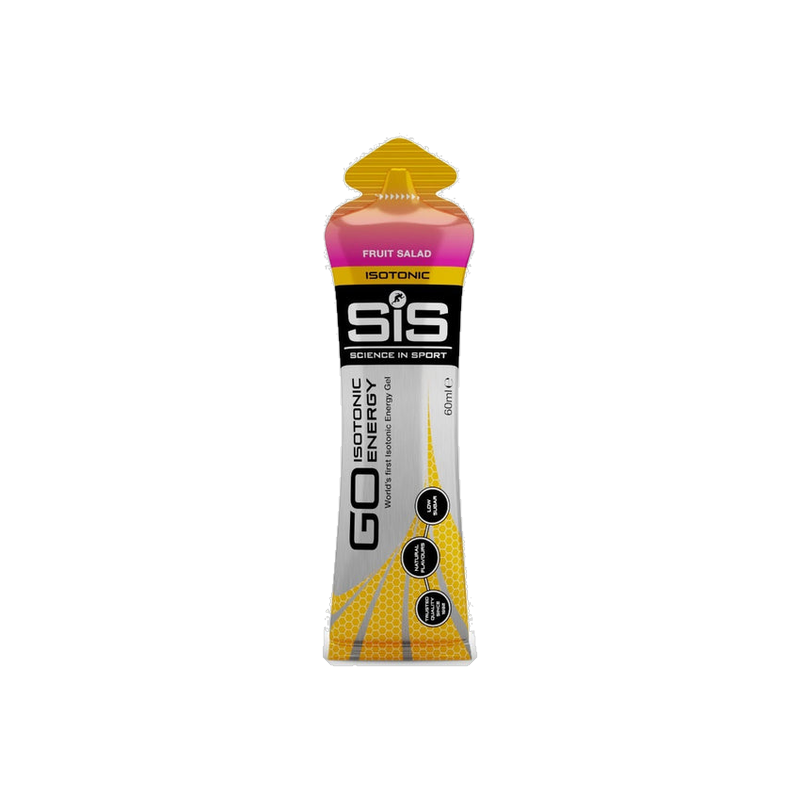 GO Isotonic Energy Gel 60ml - Single Unit (Fruit Salad)Science In Sport | 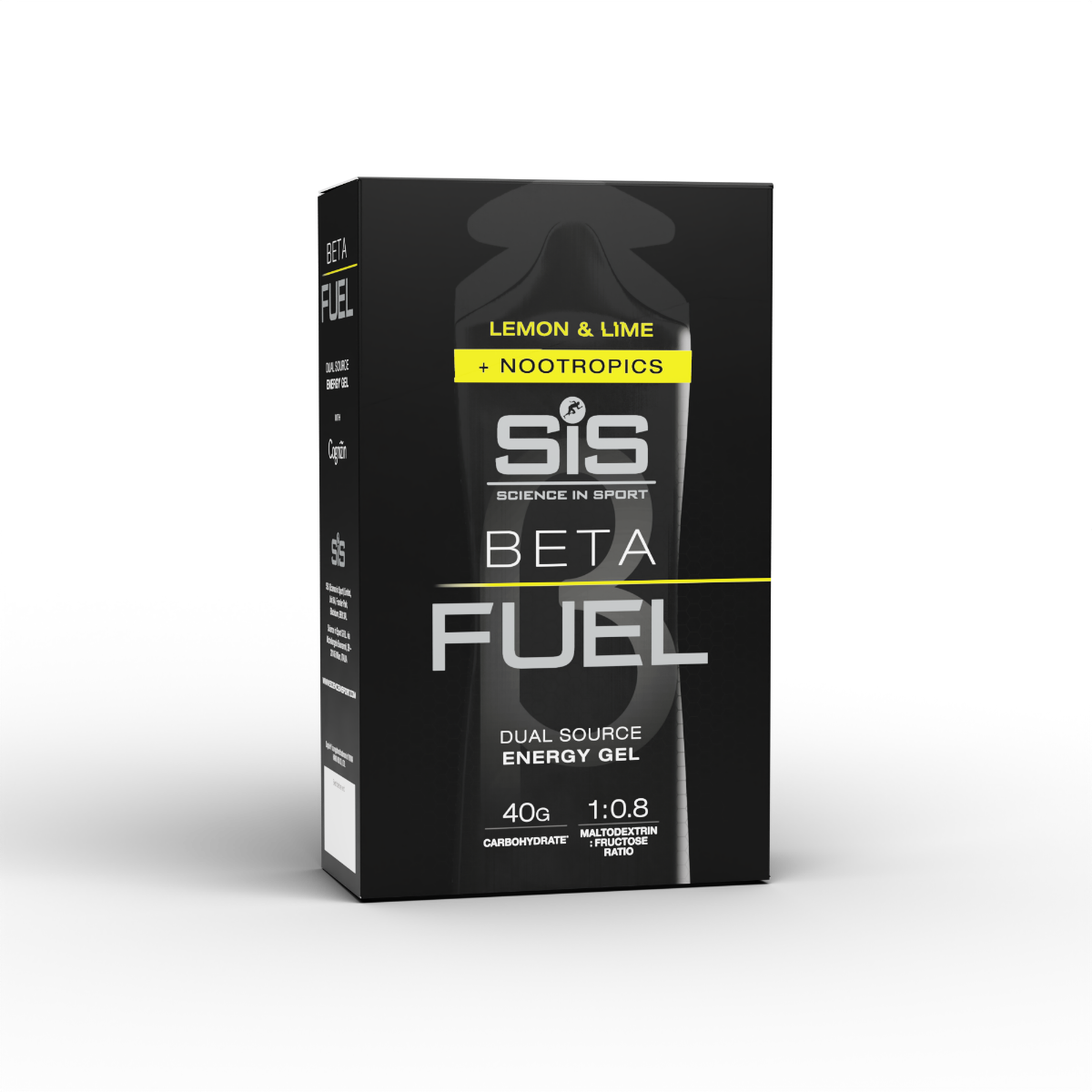 Beta Fuel 60ml + Nootropics Gel - 6 Pack (Lemon & Lime)Science In Sport | 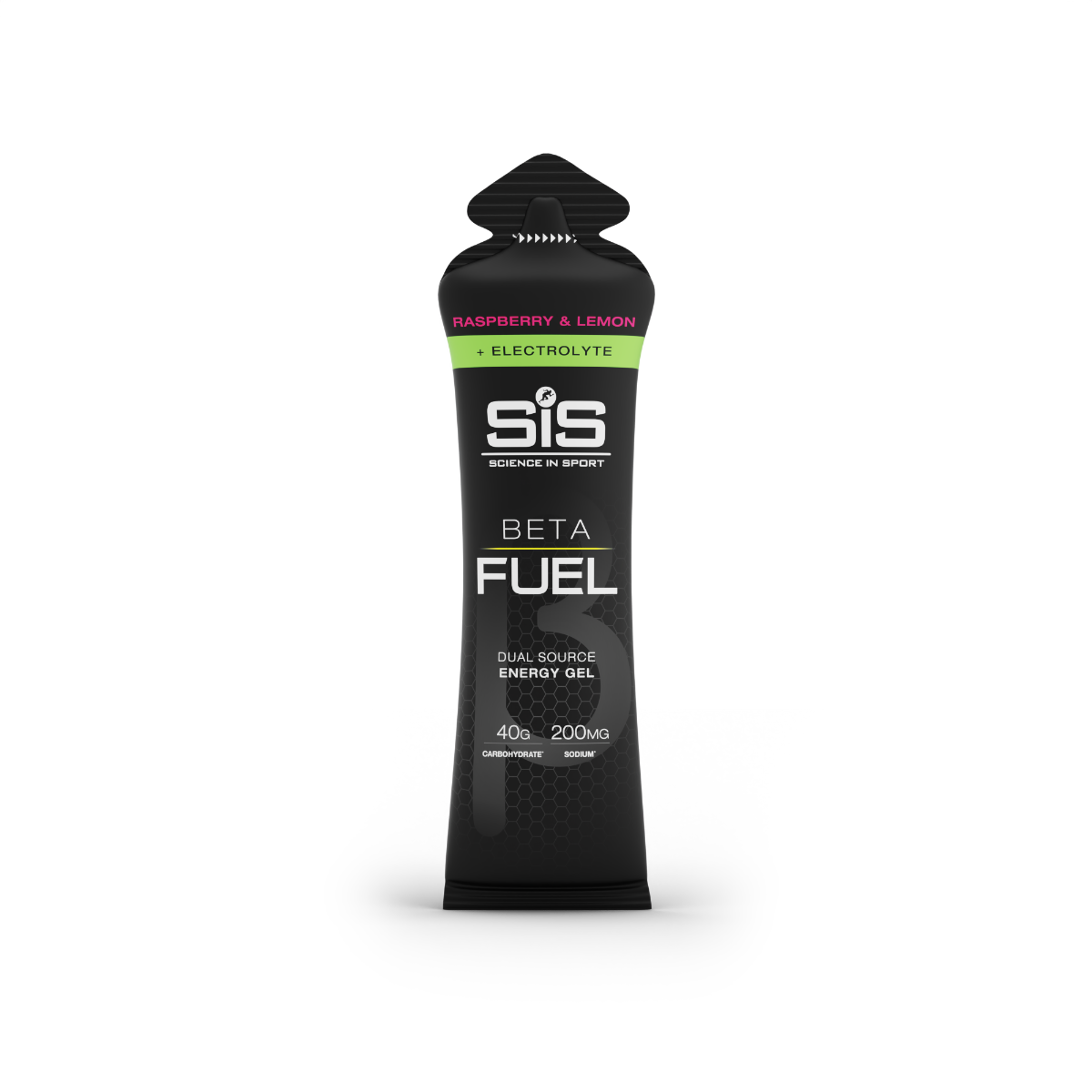 Beta Fuel Gel + Electrolyte 60ml - Single Unit (Raspberry & Lemon)Science In Sport |
|---|---|---|---|
| Form | Gel | Gel | Gel |
| Serving | 60ml | 60ml | 60ml |
| Price per serving | R44 (best) | R77.50 | R75 |
| Carbs per R10 | 5 g | 5.2 g | 5.3 g (best) |
| Value score | 2.9/10 | 5.5/10 | 5.7/10 (best) |
| Energy | 87 kcal | 159 kcal | 160 kcal |
| Carbs | 22 g | 40 g (best) | 40 g |
| Sugar | 0.6 g | 19 g | 19 g |
| Protein | 0 g | 0 g | 0 g |
| Fat | 0 g | 0 g | 0 g |
| Sodium | 10 mg | 40 mg | 530 mg |
| Caffeine | None | 200 mg | None |
| Carb type | Maltodextrin | dual-source | Maltodextrin |
| Glucose to fructose | 1:0 | 1:0.8 | 1:0.8 |
| Glycaemic index | — | — | — |
| Score | GO Isotonic Energy Gel 60ml - Single Unit (Fruit Salad) | Beta Fuel 60ml + Nootropics Gel - 6 Pack (Lemon & Lime) | Beta Fuel Gel + Electrolyte 60ml - Single Unit (Raspberry & Lemon) |
|---|---|---|---|
| Energy delivery | 60 | 80 | 90 |
| Digestibility | 90 | 80 | 90 |
| Taste | 70 | 70 | 70 |
| Value | 40 | 60 | 57 |
| Convenience | 90 | 90 | 85 |
- GO Isotonic Gel lacks caffeine, suitable for caffeine-sensitive athletes.
- Beta Fuel with Nootropics includes a significant caffeine dose for mental focus.
- Beta Fuel Gel + Electrolyte contains substantial sodium levels for hot conditions.
- Only Beta Fuel variants use dual-source carbs to maximize carb absorption.
How each one works, by distance
The GO Isotonic Energy Gel is well-suited for a 5k, providing quick energy without complicating the situation with caffeine or excessive carbs.
For a 5k, the gel may not be necessary due to the short duration. Focus on pre-race nutrition instead.
For a 5k race, the gel's high carb content and caffeine are excessive. Focus on hydration and a light carb source instead.
For a 5k race, this gel is not necessary due to the short duration. Focus on pre-race hydration and a balanced meal instead.
For a 10k, both the GO Isotonic and Beta Fuel with Nootropics can be effective, though the latter offers a caffeine advantage for experienced runners.
Consume one gel 15 minutes before the race to top off glycogen stores, given the moderate distance.
The gel's benefits are better suited for longer events. Use simpler carbs for quick energy in a 10k.
In a 10k, consider using this gel if you're racing in hot weather to maintain hydration and electrolyte balance, but it’s generally not essential.
In a half marathon, Beta Fuel with Electrolyte is advantageous due to its sustained energy release and significant sodium content, especially in warm conditions.
Take one gel 10 minutes before the start and another at the 45-minute mark to maintain energy levels.
Consume one gel 15 minutes before the start to preload carbs and caffeine. Consider another mid-race for mental clarity.
Consume one gel 15 minutes before the start and another at the 10km mark to maintain energy levels and electrolyte balance, especially if the race is in warm conditions.
The Beta Fuel Gel + Electrolyte is ideal for marathons, providing a high carbohydrate intake and necessary electrolytes to support long-distance endurance.
Consume a gel 10 minutes before the race, then every 45 minutes. Aim for 60g of carbs per hour, supplementing with other sources as needed.
Begin with one gel 15 minutes pre-race. Consume a gel every 45 minutes during the race, ensuring hydration to aid absorption. Aim for 60-80g of carbs per hour.
Start with one gel 15 minutes before the race, then consume one gel every 45 minutes. Aim for a total of 4-5 gels throughout the race, adjusting based on temperature and sweat rate.
The verdict by situation
The GO Isotonic Gel has the lowest GI distress risk due to its isotonic nature. The Beta Fuel options have a higher risk, particularly for athletes not accustomed to higher fructose intake.
GO Isotonic Gel is limited by its single-source, allowing 60 g/h. The Beta Fuel gels offer higher delivery at approximately 80-100 g/h due to dual-source carbs.
Beginners may start with the GO Isotonic Energy Gel, which is straightforward and easy to digest without water. It provides a quick energy boost suitable for shorter training sessions.
Experienced athletes should consider Beta Fuel + Nootropics or Beta Fuel + Electrolyte for long and hot races, offering multi-source carbs and optional caffeine boost for improved stamina and focus.
Despite the higher price, the Beta Fuel Gel + Electrolyte offers the best value for long endurance events in hot climates due to its balanced carb sources and high sodium content.
Science In Sport's range meets various endurance needs with options like GO Isotonic Gel for shorter races and Beta Fuel variants for longer and more demanding sessions. Athletes should choose based on race length, heat, and personal tolerance levels.
Picked your fuel? Put it in your plan.
Glyco places it on your race course by time, at the rate your gut can take, and tracks what you actually used.