GO Isotonic Energy Gel 60ml - Single Unit (Lemon & Lime) vs GO Isotonic Energy Gel 60ml - Single Unit (Fruit Salad) vs HIGH ENERGY GEL 76g - SALTY
- 3 products side by side
- From each brand's label
Two energy gels from Science In Sport and 226ERS offer options for endurance athletes. The Science In Sport gels provide fast energy without extra water, but their single-source carbohydrate may limit effectiveness for longer efforts. The HIGH ENERGY GEL by 226ERS features a multi-source carbohydrate blend and high sodium content, potentially benefiting longer races, though at a higher price.
| Figure | 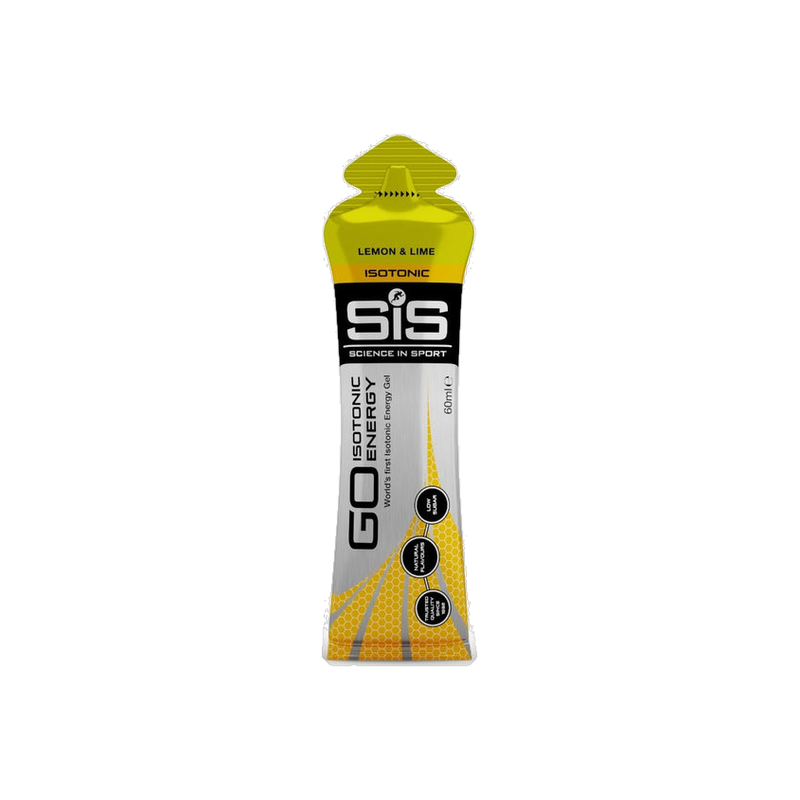 GO Isotonic Energy Gel 60ml - Single Unit (Lemon & Lime)Science In Sport | 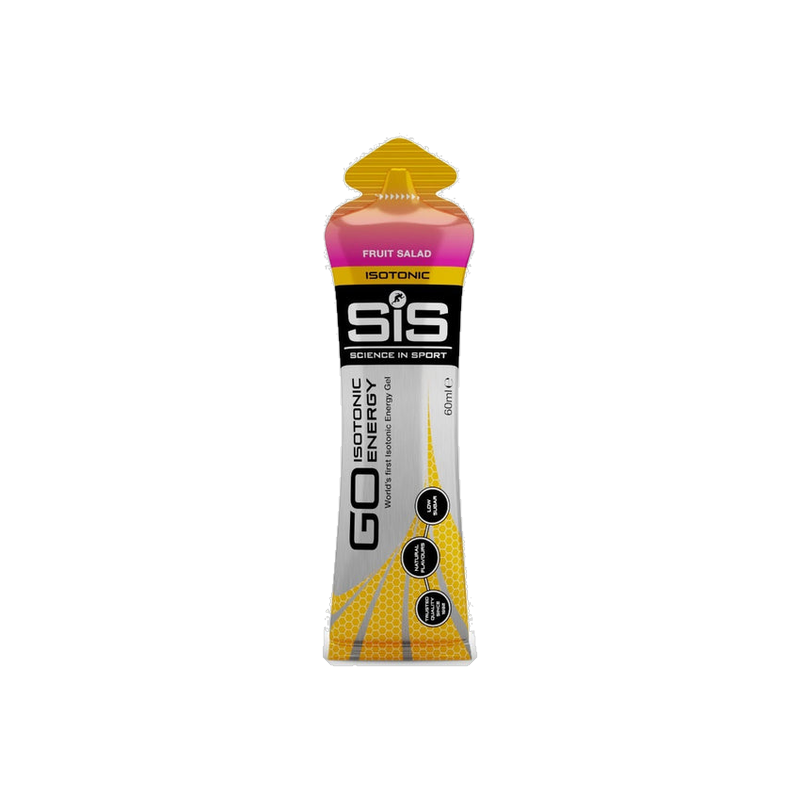 GO Isotonic Energy Gel 60ml - Single Unit (Fruit Salad)Science In Sport | 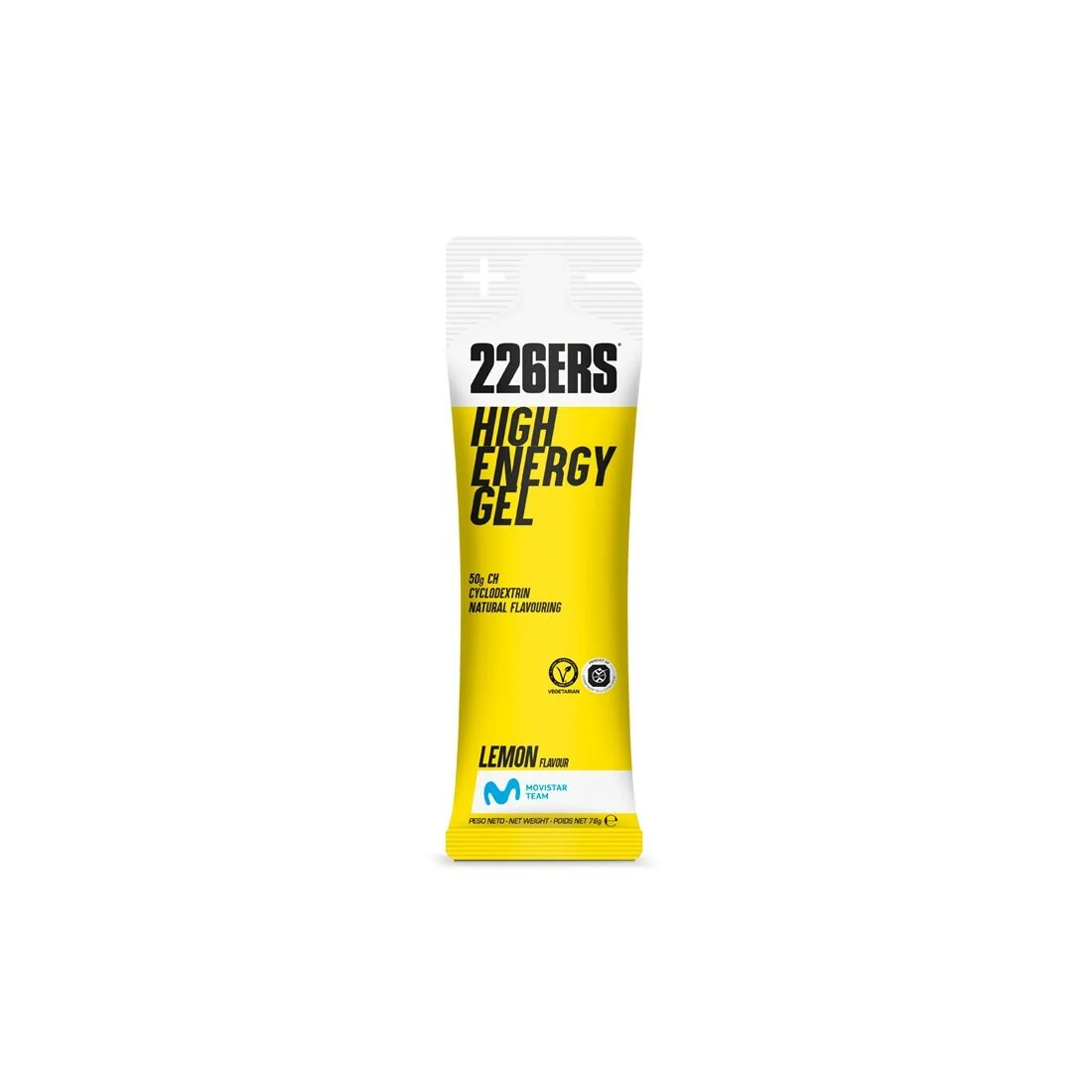 HIGH ENERGY GEL 76g - SALTY226ERS |
|---|---|---|---|
| Form | Gel | Gel | Gel |
| Serving | 60ml | 60ml | 76g |
| Price per serving | R44 (best) | R44 | R86.99 |
| Carbs per R10 | 5 g | 5 g | 5.7 g (best) |
| Value score | 2.9/10 | 2.9/10 | 4.4/10 (best) |
| Energy | 87 kcal | 87 kcal | 200 kcal |
| Carbs | 22 g | 22 g | 50 g (best) |
| Sugar | 0.6 g | 0.6 g | 23 g |
| Protein | 0 g | 0 g | 0 g |
| Fat | 0 g | 0 g | 0 g |
| Sodium | 10 mg | 10 mg | 640 mg |
| Caffeine | None | None | None |
| Carb type | Maltodextrin | Maltodextrin | mixed |
| Glucose to fructose | 1:0 | 1:0 | Not disclosed |
| Glycaemic index | — | — | — |
| Score | GO Isotonic Energy Gel 60ml - Single Unit (Lemon & Lime) | GO Isotonic Energy Gel 60ml - Single Unit (Fruit Salad) | HIGH ENERGY GEL 76g - SALTY |
|---|---|---|---|
| Energy delivery | 60 | 60 | 75 |
| Digestibility | 90 | 90 | 90 |
| Taste | 70 | 70 | 70 |
| Value | 40 | 40 | 30 |
| Convenience | 80 | 90 | 85 |
- Multi-source carbs in the 226ERS gel vs. single-source in Science In Sport gels.
- Higher sodium content in 226ERS gel vs. low in Science In Sport gels.
- Price difference, with 226ERS being more expensive than Science In Sport.
- Science In Sport provides complementary water for intake, while 226ERS gel requires careful hydration management.
How each one works, by distance
The Science In Sport gels provide a quick energy boost suitable for 5k races, given their fast absorption properties.
For a 5k race, this gel may not be necessary due to the short duration. However, if used, consume one gel 15 minutes before the start for a quick energy boost.
For a 5k, the gel may not be necessary due to the short duration. Focus on pre-race nutrition instead.
This gel may not be necessary for a 5k race due to its high carbohydrate content and the short duration of the event. Focus on hydration instead.
For a 10k, both gels are viable, though 226ERS provides longer-lasting energy due to mixed carb sources.
Consume one gel 10-15 minutes before the start to ensure glycogen stores are topped up. This can help maintain pace throughout the race.
Consume one gel 15 minutes before the race to top off glycogen stores, given the moderate distance.
For a 10k, consider consuming half a gel 15 minutes before the race to top off glycogen stores without risking gastrointestinal distress.
During a half marathon, the 226ERS gel may offer a performance edge with its sustained energy release and electrolyte content.
Take one gel 10 minutes before the start and another at the halfway point (around 10-11 km). This helps maintain energy levels and delay fatigue.
Take one gel 10 minutes before the start and another at the 45-minute mark to maintain energy levels.
Consume one gel 15 minutes before the start and another around the 10 km mark. This strategy helps maintain blood glucose levels and delay fatigue.
For marathon distances, the 226ERS gel stands out for its ability to sustain energy and maintain electrolyte balance.
Consume one gel 10 minutes before the race, then take one every 45 minutes. This aligns with a strategy of approximately 30g of carbs per hour, helping to sustain energy stores throughout the marathon.
Consume a gel 10 minutes before the race, then every 45 minutes. Aim for 60g of carbs per hour, supplementing with other sources as needed.
Start with a gel 15 minutes pre-race, then consume one every 45 minutes during the race. This equates to approximately 50g of carbs per hour, aligning with the typical 60-90g/hr target for endurance events.
The verdict by situation
The Science In Sport gels have a lower GI distress risk due to their isotonic formula, whereas the 226ERS gel poses a higher risk due to a multi-source carb matrix and potential GI sensitivity to fructose.
Science In Sport gels can sustain around 60 g/h as they rely on a single source maltodextrin, while the 226ERS gel, with its multi-source formula, can exceed this limit.
Beginner athletes might prefer the Science In Sport gels for their simplicity and lower cost per gel. The isotonic nature ensures easy intake without needing additional water.
Experienced athletes can benefit from the 226ERS HIGH ENERGY GEL, especially during longer events due to its complex carbohydrate sources and higher sodium content.
For short to mid-distance races, Science In Sport gels offer better value. However, 226ERS may be worth the investment for longer races due to its superior carb and sodium profile.
The GO Isotonic Energy Gels are a good entry-level race fuel for short to medium distances due to ease of use and cost. However, for long-distance races, the 226ERS HIGH ENERGY GEL offers superior energy control and sodium replenishment despite its higher cost.
Questions about these products
Are Science In Sport gels isotonic?
Yes, they do not require additional water for consumption, aiding quick absorption.
Why does the 226ERS gel cost more?
The 226ERS gel includes a blend of carbs and higher sodium content which can enhance performance in longer races.
Do these gels contain caffeine?
No, neither the Science In Sport nor the 226ERS Salty formula gels contain caffeine.
How often should these gels be consumed?
Both types recommend 1-3 servings per hour depending on exercise intensity and individual needs.
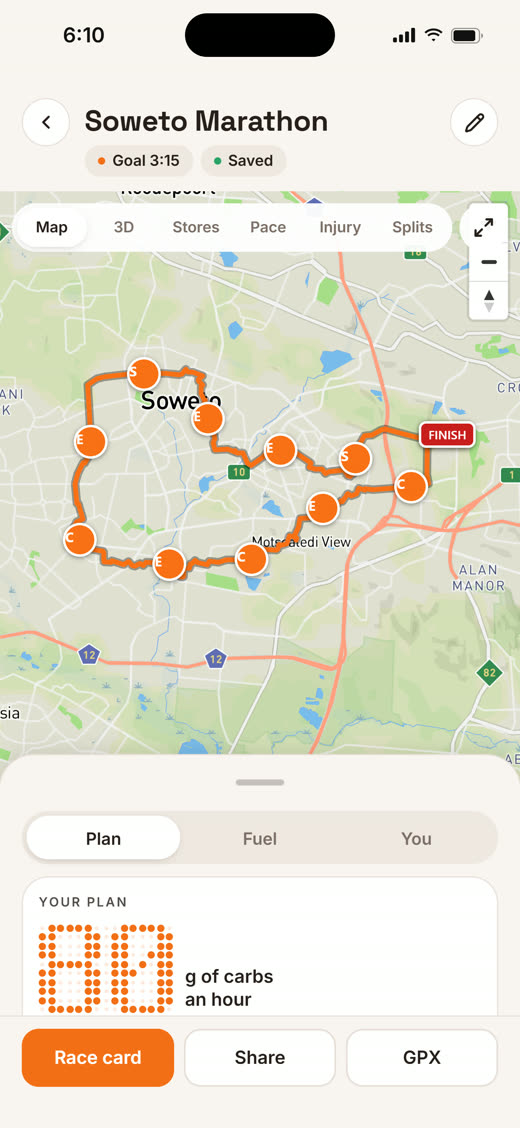
Picked your fuel? Put it in your plan.
Glyco places it on your race course by time, at the rate your gut can take, and tracks what you actually used.