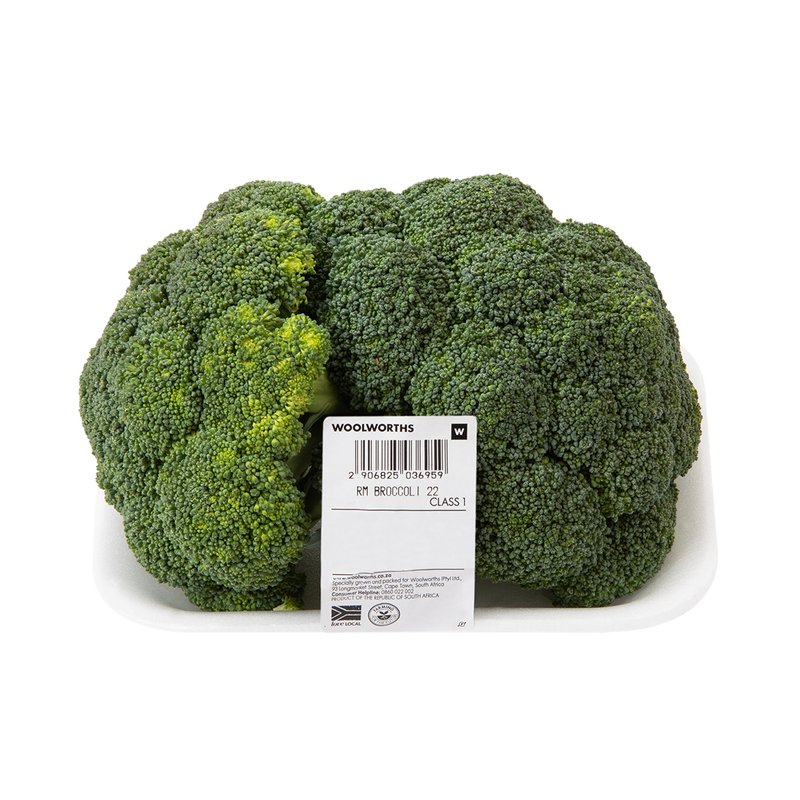
Woolworths Whole Broccoli Avg
- Whole food
- Checked
- Grade C
Whole Broccoli Avg by Woolworths has 43 kcal, 3 g carbs, 3.8 g protein and 0.2 g fat per serving (100g).
Whole Broccoli from Woolworths is a versatile vegetable that can be roasted, boiled, or steamed. It serves as a nutrient-dense accompaniment to meals, particularly for endurance athletes who require a balance of macronutrients and micronutrients. With a serving size of 100g, it provides 43.3 kcal, 3g of carbohydrates, and 3.8g of protein, making it a low-calorie option rich in fiber (3.3g per serving). While it is not a primary source of quick energy due to its low carbohydrate content, its high fiber and protein levels can aid in satiety and muscle repair. Broccoli is best consumed as part of a meal rather than during intense training sessions, as its fiber content may slow gastric emptying and cause gastrointestinal discomfort if consumed in large quantities pre-exercise.
- High fiber content for satiety
- Rich in protein for muscle repair
- Low-calorie
- nutrient-dense option
On the label per serving, 100g
| Energy | 181 kJ |
|---|---|
| Calories | 43 kcal |
| Carbs | 3.0 g |
| Sugar | 0.0 g |
| Fibre | 3.3 g |
| Protein | 3.8 g |
| Fat | 0.2 g |
| Saturated fat | 0.0 g |
| Cholesterol | 0 mg |
| Sodium | 0 mg |
The numbers that matter on a training day
For endurance who it suits
Whole Broccoli is a nutrient-dense vegetable that offers significant fiber and protein benefits, making it suitable for inclusion in balanced meals. However, its low carbohydrate content and high fiber make it unsuitable for immediate pre-race or during-race consumption. It is best used as part of a recovery meal when paired with other macronutrient sources.
Whole Broccoli is suited for endurance athletes looking to enhance their dietary fiber and protein intake without significantly increasing calorie consumption. It is ideal for those in maintenance phases or seeking nutrient-rich meal components. However, it is not recommended for those in need of rapid carbohydrate replenishment during or immediately after intense training sessions.
Best incorporated into meals on rest days or low-intensity training days where rapid energy replenishment is not critical. It can be a nutritious addition to post-training meals when paired with carbohydrate-rich foods.
- High in dietary fiber, aiding digestion
- Provides protein for muscle maintenance
- Low in calories, suitable for weight management
- Versatile cooking options for meal variety
- Low carbohydrate content unsuitable for carb loading
- High fiber may cause GI distress during exercise
- Lacks sodium for electrolyte replenishment
- Potential GI distress if consumed pre-exercise
- Low sodium content requires supplementation during long sessions
Fuelling science in short
No, due to high fiber content which may cause gastrointestinal discomfort during exercise. Best consumed as part of a meal outside of workout times.
Low glycemic impact due to minimal carbohydrate content and high fiber, contributing to slow gastric emptying and stable blood sugar levels.
Contains negligible sodium per serving, making it insufficient for addressing sodium losses of 300-600mg/hr during endurance activities.
- Total carbs
- 3 g
- Hourly capacity
- Not applicable due to low carbohydrate content.
Race day before, during and after
- BeforeDO NOT USE
- DuringDO NOT USE
- AfterUSE
- Carb loadDO NOT USE
- Every dayUSE
Whole Broccoli is not suitable for pre-race or during-race consumption due to its high fiber content, which can lead to gastrointestinal distress. It lacks the carbohydrate density required for effective carb loading. However, it is a beneficial component of recovery meals when paired with other macronutrients, aiding in muscle repair and providing essential nutrients for everyday training.
NOT RECOMMENDED for pre-race use because of its high fiber content, which can slow gastric emptying and cause gastrointestinal distress.
NOT RECOMMENDED during racing because it provides insufficient carbohydrates and may cause GI discomfort due to its fiber content.
USE as part of a recovery meal when combined with carbohydrate-rich foods and proteins to aid in muscle repair and glycogen replenishment.
- Pair with rice for balanced carb-protein recovery
- Add to pasta dishes for fiber and nutrient boost
- Combine with lean proteins for a complete meal
For practitioners the evidence
Evidence grade: C — While broccoli's nutritional benefits are well-documented, specific endurance performance impacts lack direct evidence.
Whole Broccoli has a low carbohydrate density of 3g per 100g, which is insufficient for effective carbohydrate loading. A 100g serving contributes only 3g towards a 600g daily target for a 70kg athlete, requiring impractical consumption volumes. The high fiber content further limits its use in carb loading due to potential gastrointestinal discomfort and satiety effects. It is not a viable option for athletes aiming to increase glycogen stores pre-event.
Broccoli undergoes initial mechanical digestion in the mouth, followed by slow gastric emptying due to its high fiber content. The carbohydrates present are primarily absorbed in the small intestine via SGLT1 transporters. The fiber content may delay absorption and cause fermentation in the colon, potentially leading to gas and bloating. The protein content is digested via brush-border peptidases. The low carbohydrate content limits its use as a quick energy source during exercise.
Broccoli provides carbohydrates and protein, but in insufficient quantities to meet post-exercise recovery targets of 1.0-1.2g/kg/h carbs and 0.3-0.4g/kg protein. It can contribute to muscle repair when combined with other protein sources. The fiber content aids digestion and satiety but does not directly enhance glycogen resynthesis. It should be paired with higher-carb foods to optimize recovery.
High fiber content may cause gastrointestinal distress if consumed in large quantities pre-exercise. Its low carbohydrate content makes it unsuitable for rapid energy replenishment. The lack of sodium necessitates additional supplementation during prolonged endurance activities. Broccoli's fibrous nature can also contribute to bloating and gas if consumed in excess.
- Do not use within 90 minutes of race start due to high fiber content.
- Avoid during high-intensity sessions if prone to GI distress.
- Not suitable for carb loading due to low carbohydrate density.
- High fiber content may cause bloating and gas during exercise.
- Low sodium content requires supplementation to prevent hyponatremia.
- Inadequate carbohydrate content for glycogen replenishment post-exercise.
- Potential for GI discomfort if consumed in large quantities pre-race.
Questions about Whole Broccoli Avg
How many carbs are in Whole Broccoli Avg by Woolworths?
3 g of carbs per serving (100g), with 43 kcal and 3.8 g protein.
Can I eat broccoli before a race?
Not recommended due to high fiber content which may cause gastrointestinal discomfort if consumed close to race time.
How much broccoli should I eat post-workout?
Include as part of a balanced meal with carbohydrates and protein to aid recovery, but focus on overall meal composition rather than broccoli quantity alone.
Is broccoli suitable for carb loading?
No, broccoli is low in carbohydrates and not suitable for meeting the high carb demands of loading phases.
What are alternatives to broccoli for endurance athletes?
Consider low-fiber, high-carb options like rice or pasta for energy, and other vegetables like spinach for nutrients.
How does broccoli behave in hot weather?
Broccoli can wilt quickly in heat; store in a cool environment and consume promptly to retain freshness.
Can broccoli aid recovery after workouts?
Yes, when combined with carbohydrates and proteins, it can contribute to muscle repair and nutrient replenishment.
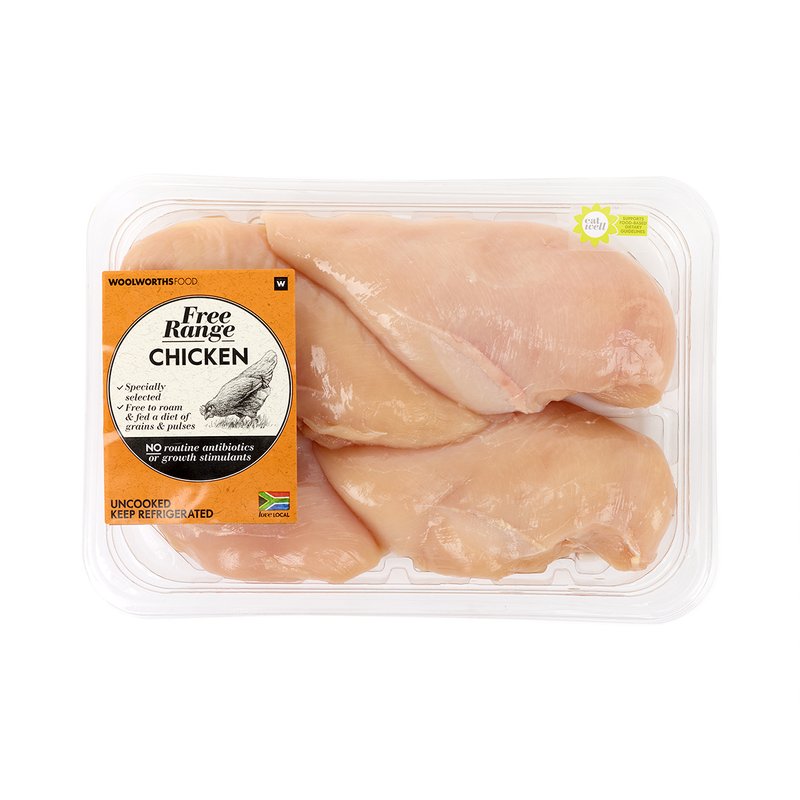
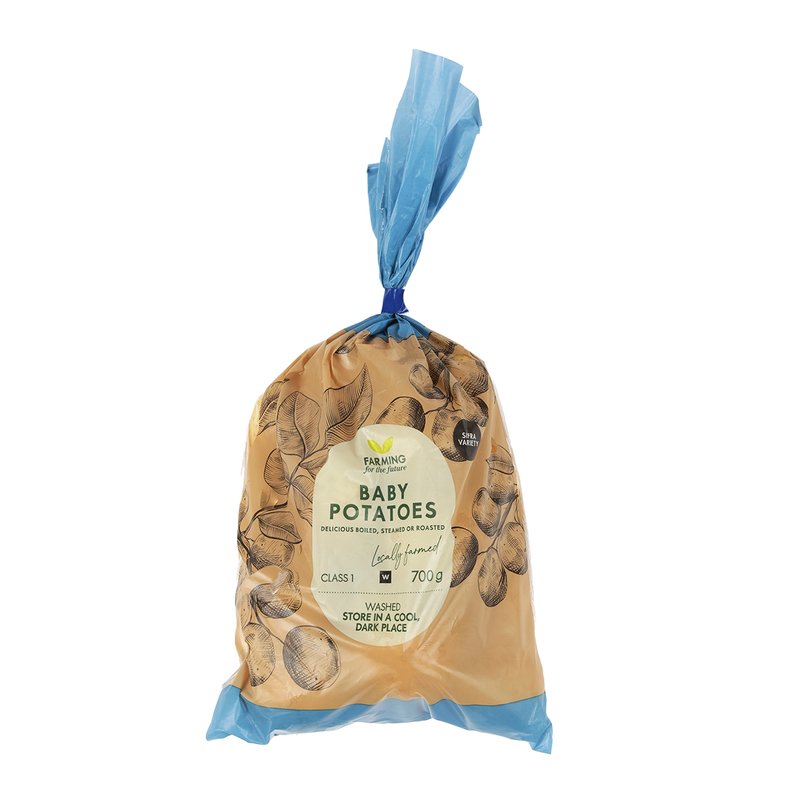
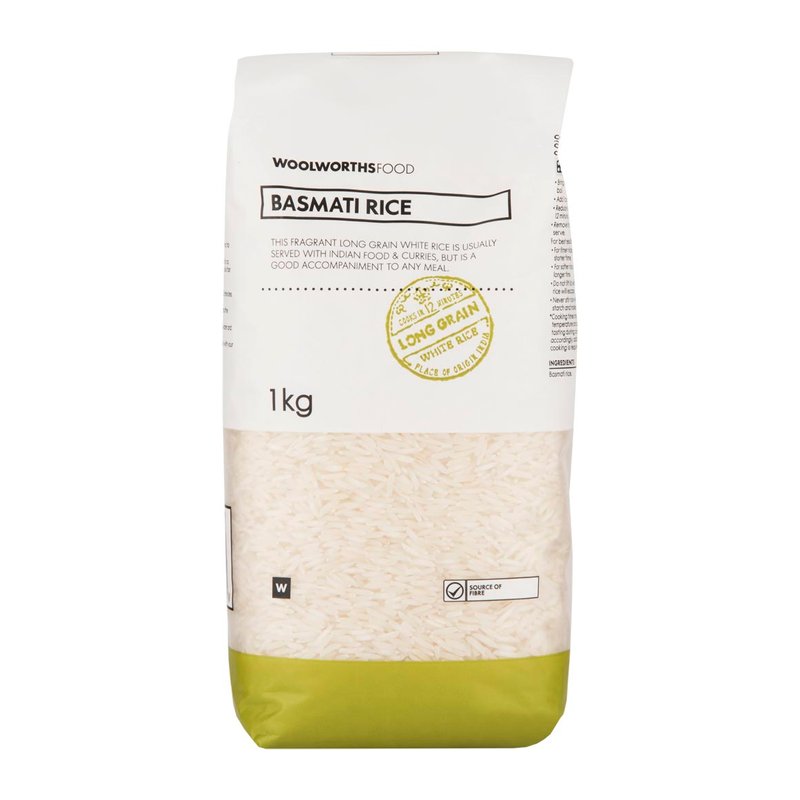
Eating this today? Log it in one tap.
Say "Whole Broccoli Avg" and it lands in your diary, counted against today's carbs and protein.
