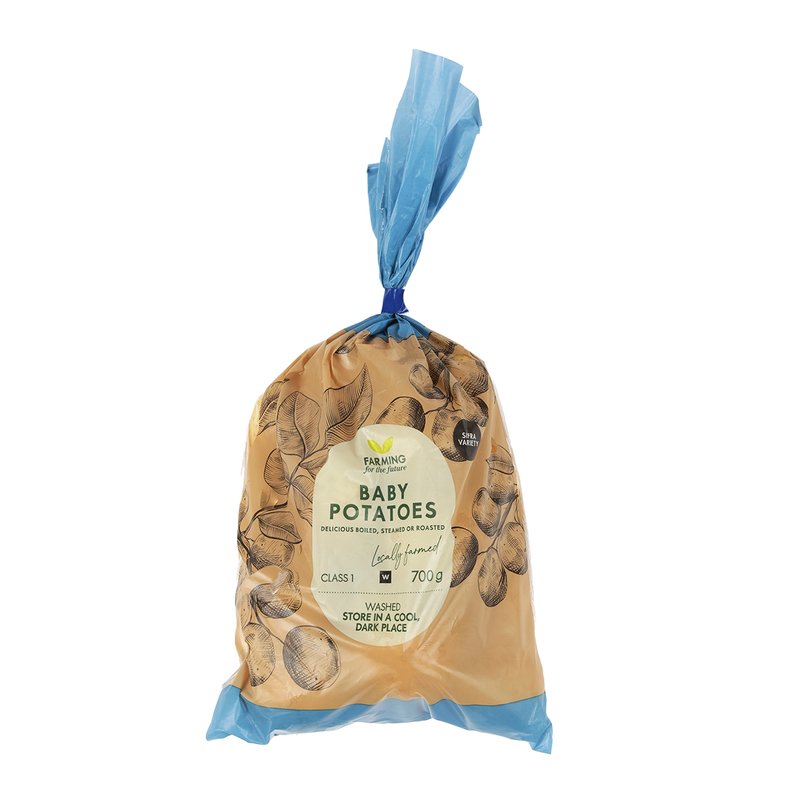
Woolworths Baby Potatoes
- Whole food
- Checked
- Grade B
Baby Potatoes by Woolworths has 62 kcal, 13 g carbs, 1.2 g protein and 0.1 g fat per serving (Per 80 g serving).
Woolworths Baby Potatoes are a versatile and minimally processed carbohydrate source, suitable for boiling, steaming, or roasting. With 13g of carbohydrates per 80g serving, they provide a moderate energy boost, making them a practical choice for endurance athletes looking to fuel their training sessions. Their low fat and sodium content, combined with a high potassium level of 425mg per serving, supports electrolyte balance during prolonged exercise. Consumed pre-training, they can help top up muscle glycogen stores, while post-training, they contribute to glycogen resynthesis. However, due to their bulk and preparation time, they may not be ideal for mid-race fueling.
- Moderate carbohydrate source
- High potassium content
- Low fat and sodium
On the label per serving, Per 80 g serving
| Energy | 260 kJ |
|---|---|
| Calories | 62 kcal |
| Carbs | 13.0 g |
| Sugar | 0.6 g |
| Fibre | 1.2 g |
| Protein | 1.2 g |
| Fat | 0.1 g |
| Saturated fat | 0.0 g |
| Cholesterol | 0 mg |
| Sodium | 2 mg |
| Potassium | 425 mg |
The numbers that matter on a training day
For endurance who it suits
Woolworths Baby Potatoes are a solid choice for endurance athletes looking for a natural carbohydrate source to fuel training and recovery. While not suitable for mid-race due to bulk, they provide a good balance of carbs and potassium for pre- and post-exercise nutrition. Their moderate glycemic index supports sustained energy release, making them a versatile addition to an athlete's diet.
Endurance athletes such as marathon runners, cyclists, and triathletes who need a natural carbohydrate source to fuel extended training sessions and aid recovery. Those seeking a low-fat, low-sodium option with high potassium for electrolyte balance will find these potatoes beneficial.
Ideal for pre-training meals or post-training recovery sessions where preparation time is available. Not suitable for mid-race fueling due to bulk and preparation needs.
- Moderate carb content for sustained energy
- High potassium supports electrolyte balance
- Low fat and sodium content
- Versatile preparation methods
- Not suitable for mid-race fueling
- Requires cooking and preparation time
- Bulky for on-the-go consumption
- Potential GI distress if consumed in excess pre-race
- Bulky and impractical for mid-race use
Fuelling science in short
Not recommended during workouts due to bulk and need for cooking. Better suited for pre- or post-exercise consumption.
Baby potatoes have a moderate glycemic index, providing a steady release of energy. Their fiber content slows gastric emptying slightly, offering a balanced blood sugar response.
With 425mg of potassium per serving, baby potatoes help replenish this key electrolyte lost in sweat, though sodium content is minimal at 2mg per serving.
- Total carbs
- 13 g
- Hourly capacity
- 60
Race day before, during and after
- BeforeUSE
- DuringDO NOT USE
- AfterUSE
- Carb loadUSE
- Every dayUSE
Baby potatoes are suitable for pre-race and recovery due to their moderate carb content and high potassium, aiding glycogen stores and electrolyte balance. However, during races, their bulk and need for preparation make them impractical. They are a good option for carb-loading and everyday training meals.
Consume 1-3 hours before the race to top up glycogen stores. Pair with a protein source for balanced energy.
NOT RECOMMENDED during racing because of bulk and preparation time, making them impractical for quick energy.
Pair with a protein source post-race to aid glycogen resynthesis and muscle repair. Ideal within 30-60 minutes post-exercise.
- Grilled chicken for protein and recovery
- Leafy greens for additional micronutrients
- Olive oil for healthy fats and flavor
For practitioners the evidence
Evidence grade: B — Moderate evidence supports their use for glycogen replenishment and electrolyte balance, though not directly studied in endurance contexts.
Baby potatoes have a moderate carb density of 16g per 100g, making them suitable for carb-loading if consumed in larger quantities. An 80g serving contributes 13g of carbs, which is a modest amount towards a daily target of 600-840g for a 70kg athlete. To meet this target, an impractical number of servings would be required, so they should be part of a varied carb-loading strategy.
Potatoes are primarily digested in the small intestine, where starches are broken down into glucose via amylase enzymes. The glucose is absorbed through the SGLT1 transporter, providing a steady energy release. Their moderate fiber content can slow gastric emptying slightly, aiding in sustained energy delivery. Any unabsorbed residue may undergo fermentation in the colon, although this is minimal with potatoes.
Post-exercise, baby potatoes contribute to glycogen resynthesis through their carbohydrate content. Consuming them with a protein source can enhance muscle repair and recovery. However, they provide negligible protein, so they should not be the sole recovery food. Their high potassium content aids in muscle function and electrolyte balance.
High fiber content can cause GI distress if consumed in large amounts pre-exercise. Their bulk makes them unsuitable for mid-race fueling. While they have a low glycemic index, excessive consumption pre-exercise can lead to rebound hypoglycemia in some athletes. They are low in sodium, which may be inadequate for those with high sweat losses.
- Do not use during races due to bulk and preparation needs.
- Avoid consuming large amounts pre-race to prevent GI distress.
- Not suitable for athletes requiring rapid sodium replenishment.
- Excessive fiber intake pre-exercise can lead to GI discomfort.
- Low sodium content may not meet needs for high sweat loss athletes.
- Rebound hypoglycemia risk if consumed in excess pre-exercise.
- Bulk and preparation time make them impractical for mid-race use.
Questions about Baby Potatoes
How many carbs are in Baby Potatoes by Woolworths?
13 g of carbs per serving (Per 80 g serving), with 62 kcal and 1.2 g protein.
When should I eat baby potatoes for best results?
Consume them pre-training or post-training for energy and recovery. Avoid during races due to bulk.
How can I incorporate them into my diet?
Boil, steam, or roast and pair with protein and vegetables for a balanced meal.
Do I need to gut-train with potatoes?
Yes, practice consuming them pre-training to ensure they sit well in your stomach.
What are alternatives for mid-race fueling?
Gels or chews are better mid-race due to ease of consumption and rapid energy delivery.
Are there any allergens in baby potatoes?
No common allergens, but always check for cross-contamination if sensitive.
How do they behave in hot weather?
They remain stable but ensure proper storage to prevent spoilage in heat.
Eating this today? Log it in one tap.
Say "Baby Potatoes" and it lands in your diary, counted against today's carbs and protein.
