
Woolworths Medium Potatoes
- Whole food
- Checked
- Grade C
Medium Potatoes by Woolworths has 62 kcal, 1.2 g carbs, 1.2 g protein and 0.1 g fat per serving (Per 80 g serving).
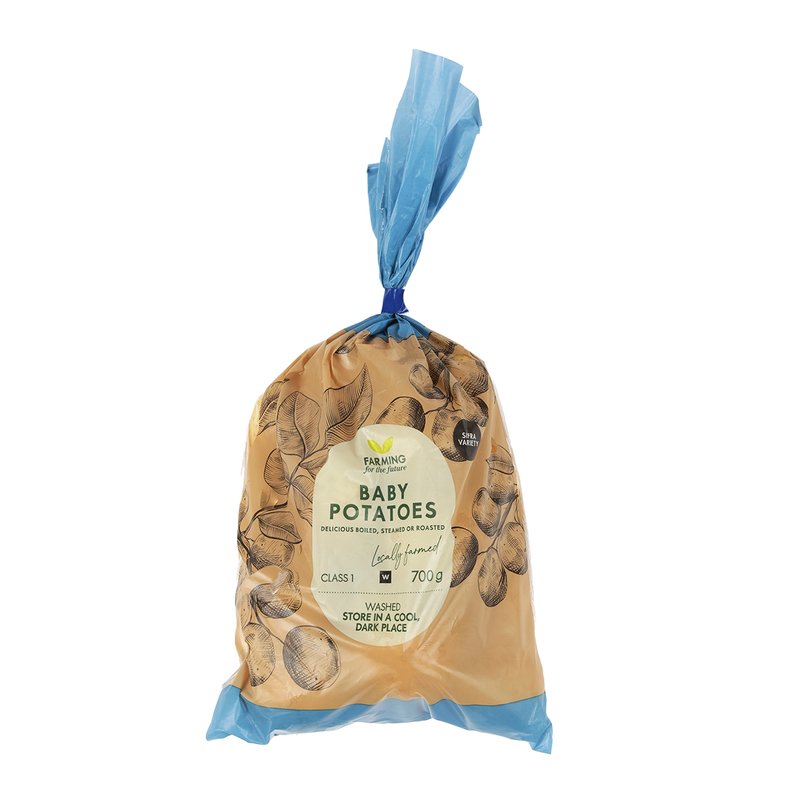
Woolworths Medium Potatoes are a staple ingredient, locally grown and versatile for various cooking methods such as boiling, steaming, and roasting. While they are a common choice for meals, their carbohydrate content is notably low at 1.2 g per 80 g serving, making them less suitable as a primary carb source for endurance athletes. However, they provide a significant amount of potassium, with 425 mg per serving, which can aid in electrolyte balance during training. These potatoes are best consumed as part of a balanced meal rather than a standalone fuel source. Given their low carb density, they are not ideal for carb loading or immediate pre-race fueling but can complement meals in the days leading up to an event.
- High in potassium for electrolyte balance
- Versatile cooking options
- Low in sodium
On the label per serving, Per 80 g serving
| Energy | 260 kJ |
|---|---|
| Calories | 62 kcal |
| Carbs | 1.2 g |
| Sugar | 0.6 g |
| Fibre | 1.2 g |
| Protein | 1.2 g |
| Fat | 0.1 g |
| Saturated fat | 0.0 g |
| Cholesterol | 0 mg |
| Sodium | 2 mg |
| Potassium | 425 mg |
The numbers that matter on a training day
For endurance who it suits
While Woolworths Medium Potatoes offer a good source of potassium, their low carbohydrate content limits their use as a primary fuel source for endurance activities. They are better suited for recovery meals or as part of a balanced diet rather than during high-intensity or long-duration sessions.
Woolworths Medium Potatoes are suited for endurance athletes looking to maintain electrolyte balance due to their high potassium content. They are ideal for those who prefer whole food options in their diet and are looking to incorporate low-calorie, low-carb vegetables into their meals. However, they are not recommended for athletes seeking high-carb sources for energy during long sessions.
Best suited for recovery meals or easy training days where high carbohydrate intake is not a priority. They can be part of a balanced meal post-training to aid in potassium replenishment.
- High potassium content aids electrolyte balance
- Versatile for various cooking methods
- Low-calorie option for weight management
- Gluten-free and vegan-friendly
- Low carbohydrate content for endurance fueling
- Requires cooking, not convenient mid-race
- Minimal protein content for recovery
- Low carb content may not meet energy needs
- Cooking required, not suitable for quick snacks
Fuelling science in short
No, the low carbohydrate content makes them impractical as a mid-workout fuel source. They are not gel-friendly and require cooking.
With a low carbohydrate content, these potatoes have a minimal impact on blood sugar levels. They are unlikely to cause significant blood sugar spikes or crashes.
Each serving contains 425 mg of potassium, which supports muscle function and fluid balance. Sodium content is negligible at 2 mg per serving.
- Total carbs
- 1.2 g
- Hourly capacity
- Not applicable due to low carbohydrate content
Race day before, during and after
- BeforeDO NOT USE
- DuringDO NOT USE
- AfterUSE
- Carb loadDO NOT USE
- Every dayUSE
Potatoes are not suitable for pre-race or during-race fueling due to their low carbohydrate content and the need for preparation. They can be used in recovery meals for potassium replenishment and as part of everyday training nutrition. Their low carb density makes them unsuitable for carb loading.
NOT RECOMMENDED for pre-race use because of low carbohydrate content and the need for cooking, which limits practicality and immediate energy availability.
NOT RECOMMENDED during racing because they require cooking and provide insufficient carbohydrates for energy needs.
USE as part of a balanced recovery meal with protein to aid in muscle repair and potassium replenishment.
- Pair with lean protein for recovery meals
- Combine with high-carb foods for carb loading
- Use with leafy greens for balanced nutrition
For practitioners the evidence
Evidence grade: C — The nutritional profile is based on general composition data rather than specific endurance studies.
Woolworths Medium Potatoes have a low carbohydrate density of 1.6 g per 100 g, making them unsuitable for carb loading. A single 80 g serving provides only 1.2 g of carbohydrates, which is insufficient for meeting the high carbohydrate demands of endurance athletes during loading phases. To reach a target of 600 g of carbohydrates per day for a 70 kg athlete, one would need to consume an impractical amount of potatoes. Their low carb density and high satiety make them poor candidates for effective carb loading.
Upon consumption, potatoes undergo mechanical breakdown in the mouth, followed by gastric emptying at a moderate pace due to their low fat content. In the small intestine, glucose is absorbed via the SGLT1 transporter, but given the low carbohydrate content, the impact on blood glucose levels is minimal. The fiber content may aid in gut health but does not significantly contribute to energy availability. The low carbohydrate load results in minimal insulin response.
While Woolworths Medium Potatoes provide some potassium, which aids in electrolyte balance, they do not contribute significantly to glycogen resynthesis due to their low carbohydrate content. They lack sufficient protein to stimulate muscle protein synthesis, making them inadequate as a standalone recovery food. For optimal recovery, they should be paired with a protein source and additional carbohydrates.
The low carbohydrate content of these potatoes limits their ability to provide quick energy, which may lead to insufficient fueling for endurance activities. Their low sodium content does not support significant sodium replenishment, which is crucial during high sweat losses. Additionally, the low carb density can lead to early satiety, potentially hindering overall energy intake during carb loading phases.
- Do not use for carb loading due to low carbohydrate density.
- Do not rely on them for mid-race fueling; they require preparation.
- Do not use as a primary recovery food; lacks protein.
- Low carbohydrate content may lead to inadequate energy intake for endurance events.
- High potassium content could be a concern for those with kidney issues.
- Low sodium content may not meet replenishment needs during high sweat losses.
- Potential for early satiety could limit overall energy intake.
- Jeukendrup AE, 2010, Sports Medicine — Carbohydrate intake during exercise.
- Burke LM, 2015, Journal of Sports Sciences — Nutrition for recovery after training and competition.
- Stellingwerff T, 2011, International Journal of Sport Nutrition and Exercise Metabolism — Carbohydrate intake and endurance performance.
Questions about Medium Potatoes
How many carbs are in Medium Potatoes by Woolworths?
1.2 g of carbs per serving (Per 80 g serving), with 62 kcal and 1.2 g protein.
Are these potatoes suitable for carb loading?
No, due to their low carbohydrate content, they are not suitable for carb loading.
Can I use these potatoes during a race?
No, they require cooking and do not provide sufficient carbohydrates for mid-race energy.
How should I store these potatoes?
Store in a cool, dark place like a pantry or cupboard to prevent sprouting.
Are these potatoes gluten-free?
Yes, they are naturally gluten-free and suitable for those with gluten sensitivities.
What is the best way to cook these potatoes?
They can be boiled, steamed, or roasted depending on your preference and meal context.
Do these potatoes help with recovery?
Yes, they can aid recovery when paired with protein, due to their potassium content.
Eating this today? Log it in one tap.
Say "Medium Potatoes" and it lands in your diary, counted against today's carbs and protein.
