
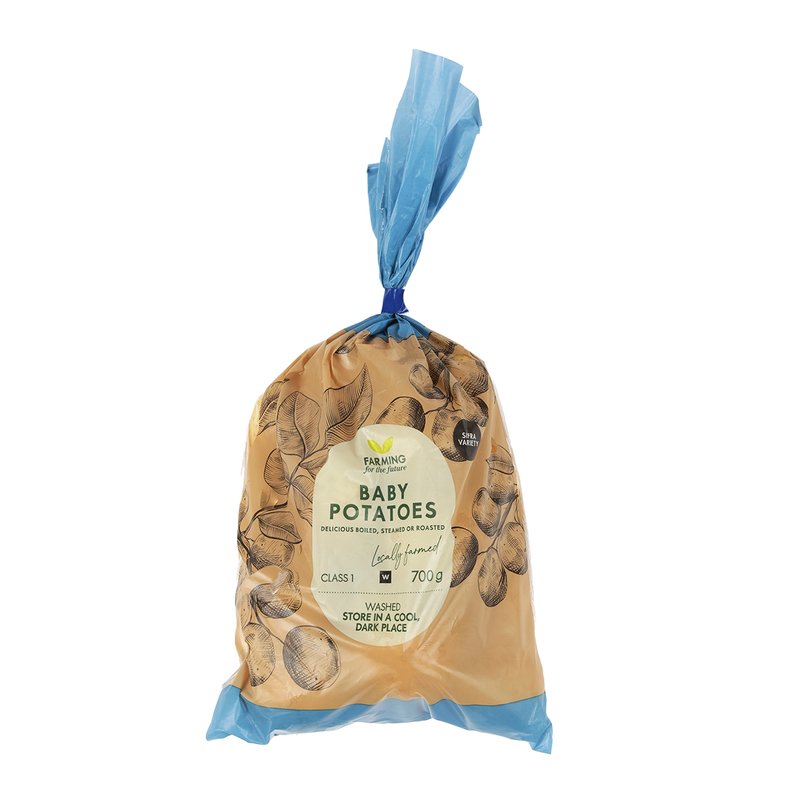
Woolworths Large Potatoes
- Whole food
- Checked
- Grade B
Large Potatoes by Woolworths has 62 kcal, 13 g carbs, 1.2 g protein and 0.1 g fat per serving (Per 80 g serving).
Woolworths Large Potatoes are a versatile, locally grown carbohydrate source, perfect for endurance athletes seeking a natural, low-fat option. Each 80 g serving provides 13 g of carbohydrates, with minimal fat and protein. Potatoes are best consumed as part of a pre-training meal or during carb-loading phases due to their moderate glycemic index, which provides a steady release of energy. They can be prepared in various ways, including boiling, baking, or chipping, making them adaptable to different dietary preferences. However, due to their solid form, they are not ideal for mid-race consumption but can be an excellent post-workout meal component when paired with a protein source.
- Natural carbohydrate source
- Low in fat and protein
- Versatile cooking options
On the label per serving, Per 80 g serving
| Energy | 260 kJ |
|---|---|
| Calories | 62 kcal |
| Carbs | 13.0 g |
| Sugar | 0.6 g |
| Fibre | 1.2 g |
| Protein | 1.2 g |
| Fat | 0.1 g |
| Saturated fat | 0.1 g |
| Cholesterol | 0 mg |
| Sodium | 2 mg |
| Potassium | 425 mg |
The numbers that matter on a training day
For endurance who it suits
Woolworths Large Potatoes are a valuable carbohydrate source for endurance athletes, especially during pre-training meals or carb-loading. Their versatility in preparation and moderate glycemic index make them suitable for sustained energy release. However, they are not practical for mid-race fueling due to their solid form and slower digestion.
Woolworths Large Potatoes are ideal for endurance athletes like marathon runners, cyclists, and triathletes who need a reliable carbohydrate source. They suit those in the carb-loading phase or looking to increase their daily carbohydrate intake. Athletes preferring whole food options over processed energy products will find potatoes a valuable addition to their diet.
Best suited for pre-training meals or carb-loading days. Not recommended for consumption during high-intensity or long-duration sessions due to their solid form.
- Versatile preparation methods for varied diets
- Moderate GI for steady energy release
- High potassium content supports muscle function
- Low-fat content suits high-carb diets
- Not suitable for mid-race fueling
- Low sodium content for sweat replacement
- Solid form limits rapid energy availability
- Potential GI distress if consumed in large quantities pre-race
- Dental risk from starches if not rinsed post-consumption
Fuelling science in short
No, not practical for mid-workout. Solid form and slower digestion make them unsuitable for immediate energy needs during exercise.
Potatoes have a moderate glycemic index, providing a steady energy release. They digest slower than high-GI foods, reducing blood sugar spikes.
Low sodium content at 2 mg per serving, insufficient for compensating sweat losses. High potassium content at 425 mg per serving aids muscle function.
- Total carbs
- 13 g
- Hourly capacity
- 60
Race day before, during and after
- BeforeUSE
- DuringDO NOT USE
- AfterUSE
- Carb loadUSE
- Every dayUSE
Pre-race, potatoes provide a moderate glycemic carb source, aiding glycogen stores without causing a blood sugar spike. During races, their solid form and slower digestion make them impractical for quick energy. Post-race, they support glycogen resynthesis when paired with protein. For carb-loading, they offer a versatile, low-fat option to increase daily carb intake.
Consume 1-3 hours before race start. A portion of 160-240 g (2-3 servings) provides 26-39 g of carbs, aiding glycogen stores without excessive bulk.
NOT RECOMMENDED during racing because solid form and slower digestion impede rapid energy availability.
Pair with protein for recovery. Potatoes provide carbs for glycogen resynthesis but lack protein for muscle repair.
- Pair with lean protein for post-workout recovery
- Combine with leafy greens for balanced pre-race meal
- Add to smoothies for carb-loading without solid bulk
For practitioners the evidence
Evidence grade: B — Supported by studies on carbohydrate ingestion and performance, but specific evidence on potatoes is limited.
Potatoes have a moderate carb density of 16 g per 100 g, making them a viable option for carb-loading. An 80 g serving provides 13 g of carbs, contributing to daily targets. However, achieving 600-840 g/day for a 70 kg athlete would require impractically large volumes due to their solid form and potential for GI fill-up. Thus, while useful, potatoes should be part of a varied carb-loading strategy.
Potatoes undergo initial digestion in the mouth with salivary amylase breaking down starches. Gastric emptying is moderate due to their solid form. In the small intestine, glucose is absorbed via SGLT1 transporters. The moderate glycemic index suggests a steady rise in blood glucose, minimizing insulin spikes. Unabsorbed fibers may undergo fermentation in the colon, potentially causing GI distress if consumed in excess.
Potatoes provide carbohydrates for glycogen resynthesis post-exercise, aligning with the 1.0-1.2 g/kg/h target. However, they lack sufficient protein for muscle protein synthesis, which requires ~2.5-3 g leucine and ~0.3-0.4 g/kg protein per meal. Pairing with a protein source is essential for comprehensive recovery.
High intake of potatoes pre-exercise may cause GI distress due to fiber and starch content. Their moderate glycemic index can lead to blood glucose volatility if not balanced with protein or fats. Potatoes pose a dental risk due to starches adhering to teeth. Sodium content is too low for significant electrolyte replacement, necessitating additional sources.
- Do not use during races due to solid form and slower digestion.
- Avoid excessive pre-race consumption if not gut-trained, risk of GI distress.
- Do not rely solely on potatoes for post-race recovery; pair with protein.
- Excessive starch intake may lead to GI distress during exercise.
- Low sodium content inadequate for electrolyte replacement in heavy sweaters.
- Potential for dental erosion due to starches adhering to teeth.
- Moderate GI may cause blood sugar fluctuations if not balanced with protein/fats.
Questions about Large Potatoes
How many carbs are in Large Potatoes by Woolworths?
13 g of carbs per serving (Per 80 g serving), with 62 kcal and 1.2 g protein.
When should I eat potatoes for endurance?
Consume potatoes 1-3 hours before exercise or as part of a carb-loading strategy. Avoid during exercise due to solid form.
How much should I eat for carb-loading?
Aim for 6-10 g/kg/day of carbs. Potatoes can contribute significantly, but balance with other sources to avoid GI distress.
Do I need to gut train with potatoes?
Yes, practice consuming them in training to assess tolerance and avoid race-day GI issues.
Are there alternatives to potatoes for carbs?
Yes, alternatives include rice, pasta, and sports drinks, which may offer faster digestion and more convenient mid-race options.
Can potatoes aid recovery?
Yes, when paired with protein, they aid glycogen resynthesis but lack protein for muscle repair alone.
How do potatoes behave in hot weather?
Potatoes maintain stability in heat but ensure proper hydration as they do not provide significant sodium.
Eating this today? Log it in one tap.
Say "Large Potatoes" and it lands in your diary, counted against today's carbs and protein.
