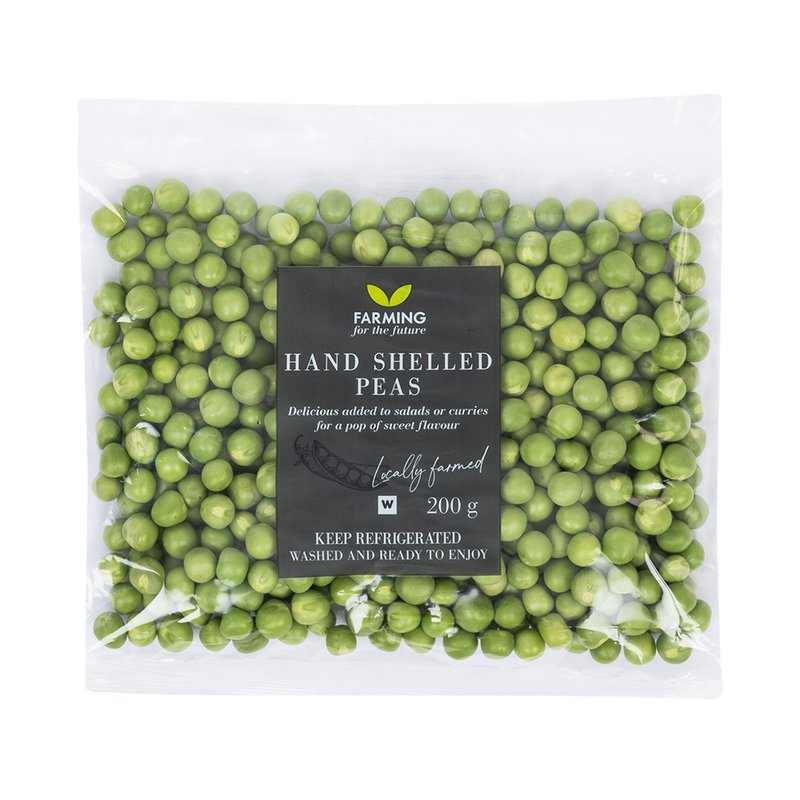
Woolworths Hand Shelled Peas
- Whole food
- Checked
- Grade C
Hand Shelled Peas by Woolworths has 89 kcal, 8 g carbs, 5.5 g protein and 0.8 g fat per serving (100g).
Woolworths Hand Shelled Peas are a versatile ingredient, offering a low-calorie and fiber-rich option for endurance athletes. With 71 kcal per serving (100g), they provide 7g of carbohydrates, 1.4g of which are sugars, and 5g of fiber. This makes them suitable for athletes seeking to enhance their dietary fiber intake without a significant caloric load. The protein content of 4.4g per serving can contribute modestly to daily protein needs, though they are not a primary protein source. These peas are best consumed in meals outside of intense training sessions, as their high fiber content may slow gastric emptying and affect performance if consumed too close to exercise. They can be an excellent addition to salads or curries, providing a pop of flavor and nutrition.
- Low-calorie, high-fiber option
- Moderate protein content
- Versatile meal addition
On the label per serving, 100g
| Energy | 371 kJ |
|---|---|
| Calories | 89 kcal |
| Carbs | 8.0 g |
| Sugar | 1.8 g |
| Fibre | 6.3 g |
| Protein | 5.5 g |
| Fat | 0.8 g |
| Saturated fat | 0.1 g |
| Cholesterol | 0 mg |
| Sodium | 14 mg |
The numbers that matter on a training day
For endurance who it suits
Woolworths Hand Shelled Peas are a nutritious, low-calorie option for endurance athletes focusing on fiber intake. However, their high fiber content makes them unsuitable for pre-race or during-race consumption. They can be part of a balanced diet on rest days or in recovery meals.
These peas are ideal for endurance athletes looking to increase their fiber intake without adding excessive calories. They are suitable for those in maintenance phases or seeking to diversify their nutrient intake. However, they are not recommended for athletes during high-intensity training due to potential gastric distress from fiber.
Best suited for easy days or recovery periods where high fiber intake won't interfere with performance. Avoid close to high-intensity sessions.
- High fiber content supports digestive health
- Low in calories, suitable for weight management
- Versatile in culinary applications
- Moderate protein content for muscle maintenance
- High fiber may cause GI distress during exercise
- Low sodium content, not suitable for electrolyte replenishment
- Limited carbohydrate content for immediate energy needs
- Potential GI distress from high fiber if consumed pre-exercise
- Low sodium content inadequate for replenishing sweat losses
Fuelling science in short
Not recommended during workouts due to high fiber content which may cause gastrointestinal distress.
With 7g of carbs per serving, these peas have a low glycemic impact, providing a slow release of energy. Their high fiber content further moderates blood sugar response.
Contains 11mg sodium per serving, negligible compared to 300-600mg/hr sweat losses. Potassium content is unspecified.
- Total carbs
- 7 g
- Hourly capacity
- 60
Race day before, during and after
- BeforeDO NOT USE
- DuringDO NOT USE
- AfterUSE
- Carb loadCAUTION
- Every dayUSE
Hand Shelled Peas are not suitable for pre-race or during-race consumption due to their high fiber content, which can slow gastric emptying and cause gastrointestinal distress. They are suitable for recovery when paired with protein and carbohydrates, providing a fiber boost. They should be used cautiously for carb loading due to their low carbohydrate density.
NOT RECOMMENDED for pre-race use because high fiber content can slow gastric emptying and potentially cause gastrointestinal distress during the race.
NOT RECOMMENDED during racing because the high fiber content can lead to gastrointestinal distress and they provide insufficient fast-acting carbohydrates.
USE in recovery meals as a fiber-rich component when paired with protein and carbohydrates to support digestive health and nutrient balance.
- Pair with lean protein for a balanced recovery meal
- Add to salads for fiber boost without excess calories
- Combine with low-fiber carbs for energy balance
For practitioners the evidence
Evidence grade: B — The nutritional profile is well-documented, but specific endurance-related studies are limited.
Hand Shelled Peas have a carbohydrate density of 8g per 100g, which is low for carb loading. A single serving (100g) provides 7g of carbohydrates, contributing minimally towards the 600-840g/day target for a 70kg athlete. The high fiber content may also induce satiety before adequate carb intake is achieved, making them impractical for effective carb loading.
The digestion of peas begins with mastication, followed by gastric emptying, which may be slowed due to their high fiber content. Carbohydrates are absorbed in the small intestine via SGLT1 transporters for glucose. The fiber component resists digestion, reaching the colon where it may be fermented by gut bacteria, potentially causing gas or bloating if consumed in large quantities.
Peas contribute to recovery by providing carbohydrates for glycogen replenishment and a modest amount of protein for muscle repair. However, the protein content is insufficient to meet the leucine threshold necessary for optimal muscle protein synthesis. They should be paired with additional protein sources to enhance recovery.
The high fiber content of peas can cause gastrointestinal discomfort if consumed in large quantities or close to exercise. Their low sodium content does not support electrolyte replenishment post-exercise. Additionally, the low carbohydrate content may not effectively support glycogen resynthesis when consumed alone.
- Do not use within 90 minutes of race start due to high fiber content.
- Avoid during high-intensity training sessions to prevent GI distress.
- Not suitable for those requiring rapid carbohydrate replenishment.
- High fiber content may lead to gastrointestinal discomfort if consumed pre-exercise.
- Low sodium content is inadequate for replacing sweat losses during prolonged exercise.
- Low carbohydrate content may not support glycogen replenishment effectively.
- Potential for bloating or gas due to fermentation of unabsorbed fiber in the colon.
Questions about Hand Shelled Peas
How many carbs are in Hand Shelled Peas by Woolworths?
8 g of carbs per serving (100g), with 89 kcal and 5.5 g protein.
Can I eat these peas before a race?
It's not recommended to eat high-fiber foods like these peas before a race due to potential gastrointestinal distress.
Are these peas suitable for carb loading?
Use with caution for carb loading as they have low carbohydrate density and high fiber, which may not support glycogen loading efficiently.
How can I incorporate these peas into my diet?
Add them to salads or curries for a nutritious, fiber-rich meal component.
Do these peas provide enough protein for recovery?
They offer moderate protein but should be paired with additional protein sources for optimal recovery.
Are there any allergens in these peas?
No allergens are stated for Woolworths Hand Shelled Peas.
Can these peas be consumed in hot weather?
Yes, they can be consumed in hot weather, but ensure adequate hydration due to their low sodium content.
Eating this today? Log it in one tap.
Say "Hand Shelled Peas" and it lands in your diary, counted against today's carbs and protein.
