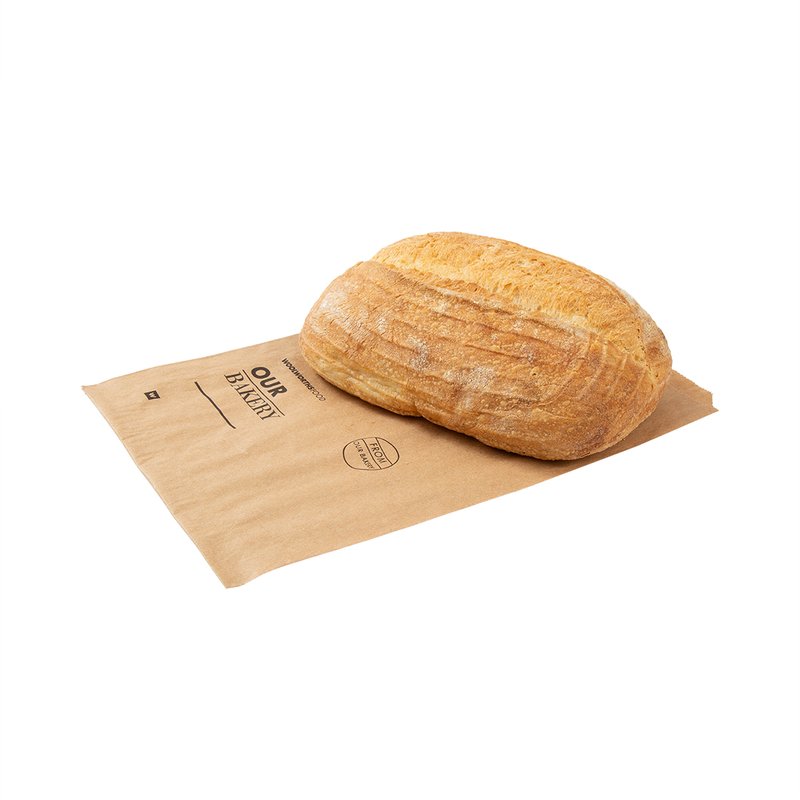
Woolworths Everyday Sourdough Bread
- Whole food
- Checked
- Grade B
Everyday Sourdough Bread by Woolworths has 71 kcal, 12.3 g carbs, 1.8 g protein and 0.8 g fat per serving (1 slice (30g)).
Woolworths Everyday Sourdough Bread is a freshly baked product that offers a moderate carbohydrate source for endurance athletes. Each 30g slice provides 41g of carbohydrates, making it a potential option for carb-loading when consumed in larger quantities. The bread includes a mix of stoneground white, spelt, and rye flours, contributing to its fiber content of 4.2g per serving, which may aid in digestive health but could also slow gastric emptying if consumed in large amounts before exercise. With 301mg of sodium per serving, it can assist in replenishing sodium losses during long activities. However, its low protein content and the absence of significant fats make it less suitable as a standalone recovery food. This bread is best suited for pre-training meals or as part of a balanced diet on rest days.
- Moderate carbohydrate source
- Contains dietary fiber
- Provides sodium for sweat losses
On the label per serving, 1 slice (30g)
| Energy | 297 kJ |
|---|---|
| Calories | 71 kcal |
| Carbs | 12.3 g |
| Sugar | 0.6 g |
| Fibre | 1.3 g |
| Protein | 1.8 g |
| Fat | 0.8 g |
| Saturated fat | 0.2 g |
| Cholesterol | 0 mg |
| Sodium | 90 mg |
The numbers that matter on a training day
For endurance who it suits
Woolworths Everyday Sourdough Bread can be a useful addition to an endurance athlete's diet, particularly for those seeking to increase carbohydrate intake without resorting to highly processed options. However, its solid form and fiber content make it unsuitable for consumption during high-intensity or long-duration events. It is best used in pre-training meals or as part of a balanced diet.
This bread is suitable for endurance athletes who are looking for a moderate carbohydrate source to include in their diet. It can be beneficial for those engaging in long training sessions or races where maintaining glycogen stores is crucial. Athletes who prefer whole-food options over processed gels or bars may find this a viable alternative.
Ideal for easy runs or long rides where a moderate carbohydrate intake is necessary. It can also be incorporated into meals on rest days to maintain energy levels.
- Moderate carbohydrate content per slice
- Contains dietary fiber for digestive health
- Provides sodium for electrolyte balance
- Versatile for pre-training meals
- Not suitable for mid-race consumption
- Low protein for recovery needs
- Potential for GI distress if consumed in excess
- Limited potassium information
- High fiber may slow gastric emptying
- Solid form unsuitable for mid-race fueling
Fuelling science in short
Not recommended during workouts due to its solid form and potential to cause gastrointestinal distress if consumed in large quantities.
The bread likely has a moderate glycemic index due to its combination of flours, which may provide a steady release of energy. However, its fiber content could slow gastric emptying.
With 301mg of sodium per serving, this bread can contribute to replenishing sodium lost through sweat, though it falls short of the 300-600mg/hr typically lost during endurance activities.
- Total carbs
- 41 g
- Hourly capacity
- 60-90 g/h with mixed carb sources
Race day before, during and after
- BeforeCAUTION
- DuringDO NOT USE
- AfterDO NOT USE
- Carb loadUSE
- Every dayUSE
Pre-race use requires caution due to potential gastric emptying delays from fiber. During-race use is unsuitable due to its solid form and fiber content. It does not meet recovery needs due to low protein. Suitable for carb-loading due to moderate carb density and everyday training as a versatile carbohydrate source.
Consume 1-3 slices 2-3 hours before the race to provide a moderate carbohydrate source. The fiber content may slow gastric emptying, so athletes should ensure they have trained their gut to handle it.
NOT RECOMMENDED during racing because its solid form and fiber content may lead to gastrointestinal distress and slow gastric emptying.
NOT RECOMMENDED for recovery because it lacks sufficient protein content to support muscle protein synthesis and recovery post-exercise.
- Pair with nut butter for added protein and fat
- Consume with a banana for additional carbs and potassium
- Combine with a protein shake post-workout for recovery
For practitioners the evidence
Evidence grade: B — Supported by general carbohydrate intake guidelines and practical athlete experiences.
Woolworths Everyday Sourdough Bread has a moderate carbohydrate density, providing 41g of carbs per 100g. For a 70kg athlete targeting 600-840g of carbs per day, consuming 15 slices (450g total) would provide approximately 184.5g of carbohydrates, which is a practical contribution to daily carb-loading targets. However, its fiber content may limit the volume that can be comfortably consumed, and athletes should be mindful of potential gastrointestinal discomfort.
Sourdough bread undergoes initial digestion in the mouth, where salivary amylase begins breaking down starches. The bread's fiber content may slow gastric emptying, leading to a more gradual release of glucose into the bloodstream. In the small intestine, glucose is absorbed via SGLT1 transporters, while any fructose present would utilize GLUT5. The presence of fiber can modulate absorption rates and may lead to fermentation in the colon, which could cause discomfort in some athletes.
While sourdough bread provides carbohydrates necessary for glycogen resynthesis, it lacks adequate protein to stimulate muscle protein synthesis. The fiber content may aid in digestive health but does not contribute directly to recovery. Pairing with protein sources post-exercise is recommended to meet recovery nutrition targets.
The fiber content in sourdough bread can slow gastric emptying, potentially leading to gastrointestinal discomfort if consumed in large amounts before or during exercise. Its solid form is not ideal for rapid energy delivery during races. The sodium content is moderate but may not fully compensate for sweat losses in prolonged endurance events.
- Do not use during races due to potential GI distress from fiber.
- Do not use as sole recovery food due to inadequate protein.
- Do not consume in large quantities pre-race without prior gut training.
- High fiber content may cause bloating or discomfort if consumed rapidly.
- Sodium content may not suffice for athletes with high sweat rates.
- Solid form can delay energy availability during intense exercise.
- Potential allergen risk for individuals sensitive to gluten.
Questions about Everyday Sourdough Bread
How many carbs are in Everyday Sourdough Bread by Woolworths?
12.3 g of carbs per serving (1 slice (30g)), with 71 kcal and 1.8 g protein.
When should I eat sourdough bread before a race?
Consume 1-3 slices 2-3 hours before the race to allow for digestion and energy availability.
Can I eat sourdough bread during a workout?
Not recommended due to its solid form and potential to cause gastrointestinal distress during exercise.
How can I incorporate sourdough bread into recovery meals?
Pair with protein-rich foods like eggs or a protein shake to enhance recovery benefits.
Is sourdough bread suitable for carb-loading?
Yes, its moderate carbohydrate content per serving can contribute to carb-loading strategies.
Does sourdough bread contain allergens?
Yes, it contains gluten from wheat, spelt, and rye.
How does sourdough bread behave in hot weather?
Store in a cool, dry place to prevent spoilage. Consider freezing if not consumed quickly.


Eating this today? Log it in one tap.
Say "Everyday Sourdough Bread" and it lands in your diary, counted against today's carbs and protein.
