
Woolworths Chopped Kale
- Whole food
- Checked
- Grade C
Chopped Kale by Woolworths has 48 kcal, 6 g carbs, 2.6 g protein and 0.6 g fat per serving (Per 80 g serving).
Woolworths Chopped Kale is a versatile leafy green, known for its earthy and peppery flavor. It's particularly suitable for endurance athletes seeking nutrient density without high caloric intake. With 6g of carbohydrates per serving (80g), it provides a modest energy boost, making it more suitable for nutrient-rich snacking rather than primary fuel during endurance events. The kale can be consumed raw in smoothies or salads, or cooked as a side dish. Its high vitamin K and C content supports recovery and immune function, making it a beneficial addition to an athlete's diet. While not a primary carb source, its micronutrient profile makes it a valuable component of a balanced diet.
- High in vitamins K and C
- Low-calorie nutrient-dense option
- Versatile for various preparations
On the label per serving, Per 80 g serving
| Energy | 202 kJ |
|---|---|
| Calories | 48 kcal |
| Carbs | 6.0 g |
| Sugar | 5.9 g |
| Fibre | 1.6 g |
| Protein | 2.6 g |
| Fat | 0.6 g |
| Cholesterol | 0 mg |
| Sodium | 34 mg |
The numbers that matter on a training day
For endurance who it suits
While Woolworths Chopped Kale is not a primary fuel source for endurance activities, its micronutrient content makes it a valuable addition to an athlete's diet. It's best used as a recovery aid or nutrient-dense snack. Its low carbohydrate content limits its use during high-intensity or long-duration activities.
This product is ideal for endurance athletes who are looking to enhance their diet with nutrient-rich foods without significantly increasing caloric intake. It's particularly beneficial for those focusing on recovery and immune support. Athletes who enjoy versatile ingredients that can be used in both raw and cooked forms will find this product useful.
Best used as a nutrient-dense snack or side dish during recovery days or light training sessions. Not suitable as a primary energy source for high-intensity or long-duration workouts.
- High in vitamins K and C for recovery
- Low calorie, nutrient-dense option
- Versatile for smoothies, salads, and cooking
- Minimal sodium content, suitable for low-sodium diets
- Low carbohydrate content limits energy provision
- Not suitable for during workout use
- Potential for GI discomfort if consumed in large quantities
- Potential GI discomfort if consumed in large amounts
- Low carbohydrate content may not meet energy needs
Fuelling science in short
No, not suitable for during workout use due to low carbohydrate content and potential for gastrointestinal discomfort if consumed in large quantities.
Kale has a low glycemic impact, resulting in minimal blood sugar spikes. Its low carbohydrate content and high fiber contribute to slow gastric emptying, making it unsuitable for quick energy needs.
Contains 34 mg sodium per serving (80g), which is minimal compared to typical sweat losses of 300-600 mg/hour. Potassium content is unspecified but generally low.
- Total carbs
- 6 g
- Hourly capacity
- Not applicable due to low carb content
Race day before, during and after
- BeforeDO NOT USE
- DuringDO NOT USE
- AfterUSE
- Carb loadDO NOT USE
- Every dayUSE
Chopped Kale is not suitable for pre-race or during-race use due to its low carbohydrate content and potential for slow gastric emptying. It lacks the quick energy release needed for these phases. However, its high vitamin content makes it beneficial for recovery and everyday training nutrition, where its micronutrient profile can support overall health and recovery.
NOT RECOMMENDED for pre-race use because of low carbohydrate content and slow gastric emptying, which may not provide the quick energy needed.
NOT RECOMMENDED during racing because it does not provide fast-acting carbohydrates and may cause gastrointestinal discomfort if consumed in large quantities.
USE as a part of a balanced recovery meal, providing vitamins K and C to support recovery processes. Pair with protein and carbohydrates for optimal recovery.
- Pair with quinoa for a balanced meal with protein
- Add to smoothies for a vitamin boost post-workout
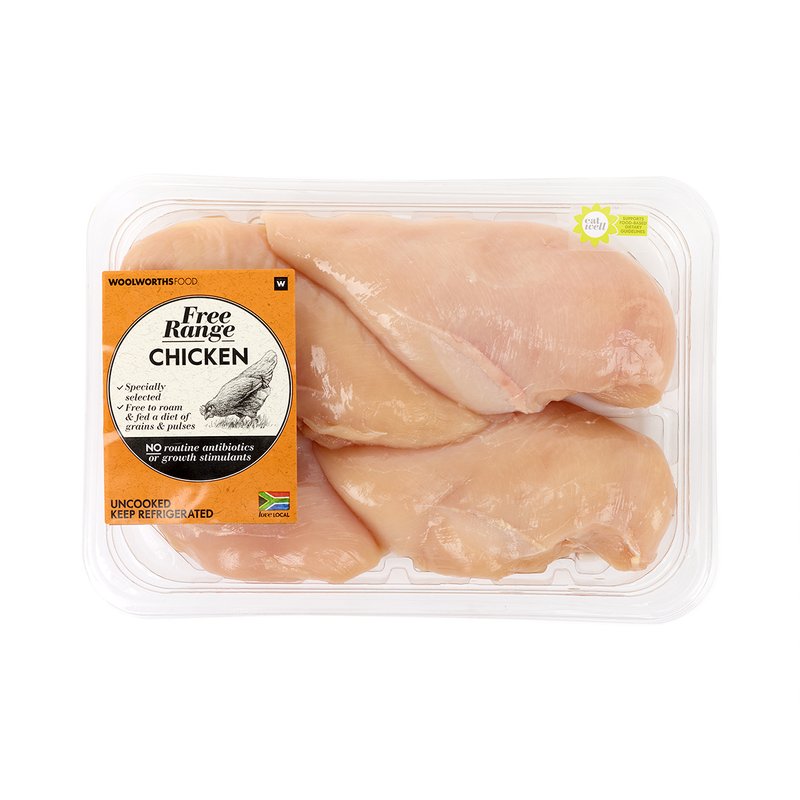
- Combine with lean protein like chicken for recovery
For practitioners the evidence
Evidence grade: B — While kale's nutritional profile is well-documented, its specific benefits for endurance athletes are supported more by general nutritional science than direct sports nutrition studies.
Kale has a low carbohydrate density of 8g per 100g, making it unsuitable for carb loading. An 80g serving provides only 6g of carbohydrates, contributing minimally to the 600-840g daily target for a 70kg athlete. The athlete would need to consume an impractical amount of kale to meet carb loading goals, which could lead to gastrointestinal discomfort due to its high fiber content.
Kale undergoes slow gastric emptying due to its high fiber content, which can delay carbohydrate absorption. The carbohydrates present are primarily digested in the small intestine, with glucose absorbed via SGLT1 transporters. The low carbohydrate content means it does not significantly impact blood glucose levels. Unabsorbed fiber may undergo fermentation in the colon, potentially causing gas or discomfort in sensitive individuals.
Kale supports recovery mainly through its micronutrient content, providing vitamins K and C, which are involved in tissue repair and immune function. However, it lacks sufficient carbohydrates and protein to be a standalone recovery food. For effective recovery, it should be paired with higher carbohydrate and protein sources to meet glycogen resynthesis and muscle protein synthesis needs.
Kale's high fiber content can lead to gastrointestinal discomfort if consumed in large quantities, particularly during exercise. Its low carbohydrate content may lead to inadequate energy provision for athletes relying on it as a primary fuel source. Additionally, the high vitamin K content may interfere with anticoagulant medications, requiring caution in certain populations.
- Do not use as a primary carbohydrate source during endurance events due to low carb content.
- Do not consume in large quantities if prone to gastrointestinal discomfort from high fiber foods.
- Do not rely on kale for hydration during exercise due to low sodium and potassium content.
- High fiber content can cause bloating and gas if consumed in large amounts.
- Low carbohydrate content may lead to inadequate energy provision during high-intensity activities.
- High vitamin K content may interfere with anticoagulant medications.
- Potential for gastrointestinal distress if consumed in large quantities pre-exercise.
Questions about Chopped Kale
How many carbs are in Chopped Kale by Woolworths?
6 g of carbs per serving (Per 80 g serving), with 48 kcal and 2.6 g protein.
Can I eat kale before a workout?
Kale is not ideal before intense workouts due to low carbohydrate content and slow gastric emptying. Opt for higher-carb options.
How much kale should I eat post-workout?
Kale can be part of a balanced meal post-workout, but ensure to pair it with protein and carbohydrates for optimal recovery.
Is kale suitable for carb loading?
No, kale is not suitable for carb loading due to its low carbohydrate density and high fiber content.
Can kale cause digestive discomfort?
In large amounts, kale may cause digestive discomfort due to its high fiber content. It's best consumed in moderation.
Is kale a good source of protein?
Kale contains some protein but is not a significant source; pair with other protein-rich foods for muscle recovery.
Does kale help with hydration?
Kale has minimal sodium and potassium, so it does not significantly contribute to hydration. Pair with electrolyte-rich foods.
Eating this today? Log it in one tap.
Say "Chopped Kale" and it lands in your diary, counted against today's carbs and protein.
