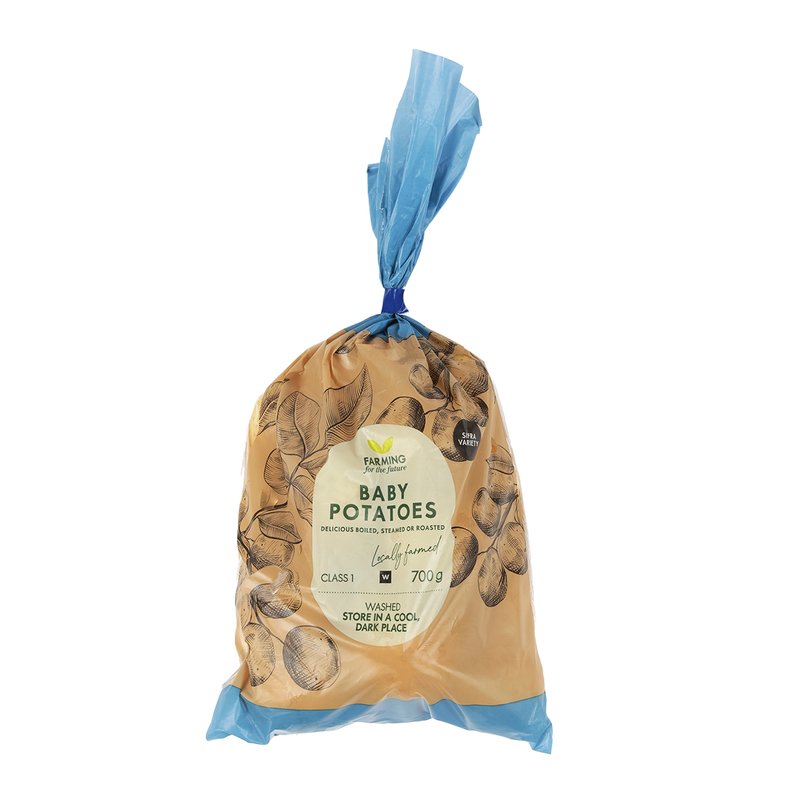
Woolworths Chipping Potatoes
- Whole food
- Checked
- Grade B
Chipping Potatoes by Woolworths has 62 kcal, 13.5 g carbs, 1.2 g protein and 0.1 g fat per serving (Per 80 g serving).
Woolworths Chipping Potatoes are a versatile carbohydrate source, ideal for endurance athletes seeking a low-fat, high-carb meal component. With 13.5 g of carbohydrates per serving (80 g), these potatoes provide a moderate glycemic load, making them suitable for pre-training meals to ensure glycogen stores are topped up. They are locally farmed, vegan, and gluten-free, appealing to athletes with dietary restrictions. Best consumed 1-3 hours before training, they can be boiled or baked to suit various dietary preferences. The low sodium content (2 mg per serving) makes them a good choice for those managing sodium intake, although additional electrolytes may be needed during prolonged exercise.
- High carbohydrate content
- Low fat and sodium
- Versatile preparation methods
On the label per serving, Per 80 g serving
| Energy | 260 kJ |
|---|---|
| Calories | 62 kcal |
| Carbs | 13.5 g |
| Sugar | 0.7 g |
| Fibre | 1.2 g |
| Protein | 1.2 g |
| Fat | 0.1 g |
| Saturated fat | 0.1 g |
| Cholesterol | 0 mg |
| Sodium | 2 mg |
| Potassium | 425 mg |
The numbers that matter on a training day
For endurance who it suits
Woolworths Chipping Potatoes are a solid choice for pre-race carbohydrate loading due to their high carb and low-fat content. However, their low sodium content means they should be paired with electrolyte-rich foods or supplements during long-duration events. They are not suitable for mid-race consumption due to their solid form and slower digestion.
Woolworths Chipping Potatoes are ideal for endurance athletes such as marathon runners, cyclists, and triathletes who require a reliable carbohydrate source to fuel their training and races. They are especially suitable for those on a vegan or gluten-free diet, seeking to maintain energy levels without consuming high-fat foods.
These potatoes are best suited for pre-training meals before long endurance sessions such as marathons, cycling events, or triathlons. They can help ensure glycogen stores are adequately replenished.
- High carbohydrate content for glycogen replenishment
- Low in fat, suitable for pre-race meals
- Vegan and gluten-free, accommodating dietary restrictions
- Versatile in preparation methods
- Low sodium content requires additional supplementation
- Not suitable for during-race consumption
- Moderate glycemic index may not provide rapid energy
- Potential for GI distress if consumed in large quantities pre-race
- May require additional sodium supplementation during long events
Fuelling science in short
Not recommended during workouts due to their solid form and slow gastric emptying. Opt for liquid or gel-based carbohydrates instead.
Chipping Potatoes have a moderate glycemic index, providing a steady release of glucose into the bloodstream, aiding in sustained energy levels.
With only 2 mg of sodium per serving, these potatoes do not significantly contribute to sodium replenishment during exercise. Potassium content is higher, aiding in muscle function.
- Total carbs
- 13.5 g
- Hourly capacity
- 60
Race day before, during and after
- BeforeUSE
- DuringDO NOT USE
- AfterDO NOT USE
- Carb loadUSE
- Every dayUSE
Chipping Potatoes are suitable for pre-race and carb-loading due to their high carbohydrate content and low fat. However, they are unsuitable during races due to their solid form, which can slow gastric emptying. For recovery, they lack protein, making them inadequate as a standalone option. Everyday training sees them as a versatile carb source.
Consume 1-3 hours before race start, aiming for 1-2 servings to top up glycogen stores. Ensure to pair with a source of protein and electrolytes to create a balanced meal.
NOT RECOMMENDED during racing because of their solid form and slow gastric emptying. Opt for gels or sports drinks for quick energy.
NOT RECOMMENDED for recovery because they lack sufficient protein to aid muscle repair. Pair with a protein-rich food post-exercise.
- Pair with lean protein for balanced pre-race meal
- Combine with electrolyte drink to address sodium needs
- Serve with low-fat yogurt for added protein and calcium
For practitioners the evidence
Evidence grade: B — Supported by carbohydrate loading and glycogen resynthesis literature, but lacks direct RCTs on potatoes specifically.
Chipping Potatoes provide 16.9 g of carbohydrates per 100 g, classifying them as moderate carb density. For a 70 kg athlete targeting 600 g of carbs per day, consuming approximately 35 servings (80 g each) would be required, which is impractical due to volume and potential GI distress. They are better suited as part of a varied carb-loading strategy, combined with other sources.
Chipping Potatoes primarily provide glucose, absorbed via the SGLT1 transporter in the small intestine. The low fat and fiber content promote moderate gastric emptying, releasing glucose steadily into the bloodstream. This results in a moderate insulin response, ideal for pre-exercise glycogen loading. However, their solid form may slow gastric emptying compared to liquid carbs.
Chipping Potatoes offer carbohydrates necessary for glycogen resynthesis but lack protein, making them inadequate for muscle protein synthesis. They should be paired with a protein-rich food post-exercise to meet recovery needs. Their low sodium content also necessitates additional electrolyte intake for optimal rehydration.
The moderate glycemic index may not provide rapid energy spikes, which some athletes prefer pre-exercise. The low sodium content requires supplementation, especially in hot conditions or long events. Solid form can slow gastric emptying if consumed too close to exercise.
- Do not use within 30 minutes of race start due to solid form and slower digestion.
- Do not rely solely on them for sodium replenishment during long events.
- Do not use as a primary recovery food without additional protein.
- High volume intake may cause GI distress during carb loading.
- Low sodium content may lead to hyponatremia if not supplemented.
- Solid form can cause delayed gastric emptying if consumed too close to exercise.
- Inadequate protein content for muscle repair post-exercise.
Questions about Chipping Potatoes
How many carbs are in Chipping Potatoes by Woolworths?
13.5 g of carbs per serving (Per 80 g serving), with 62 kcal and 1.2 g protein.
When should I consume Chipping Potatoes?
Consume them 1-3 hours before endurance events to ensure glycogen stores are replenished.
How should I prepare Chipping Potatoes?
Boil or bake them to maintain low-fat content. Avoid frying to keep them suitable for pre-race meals.
Are Chipping Potatoes suitable for during-race consumption?
No, they are not suitable during races due to their solid form and slow digestion.
Can I use Chipping Potatoes for recovery?
No, they lack sufficient protein for muscle repair. Pair with a protein source post-exercise.
Do Chipping Potatoes require gut training?
No specific gut training is needed, but test them in training to ensure tolerance.
Are there alternatives to Chipping Potatoes?
Yes, sweet potatoes or rice can also serve as high-carb pre-race options.
Eating this today? Log it in one tap.
Say "Chipping Potatoes" and it lands in your diary, counted against today's carbs and protein.