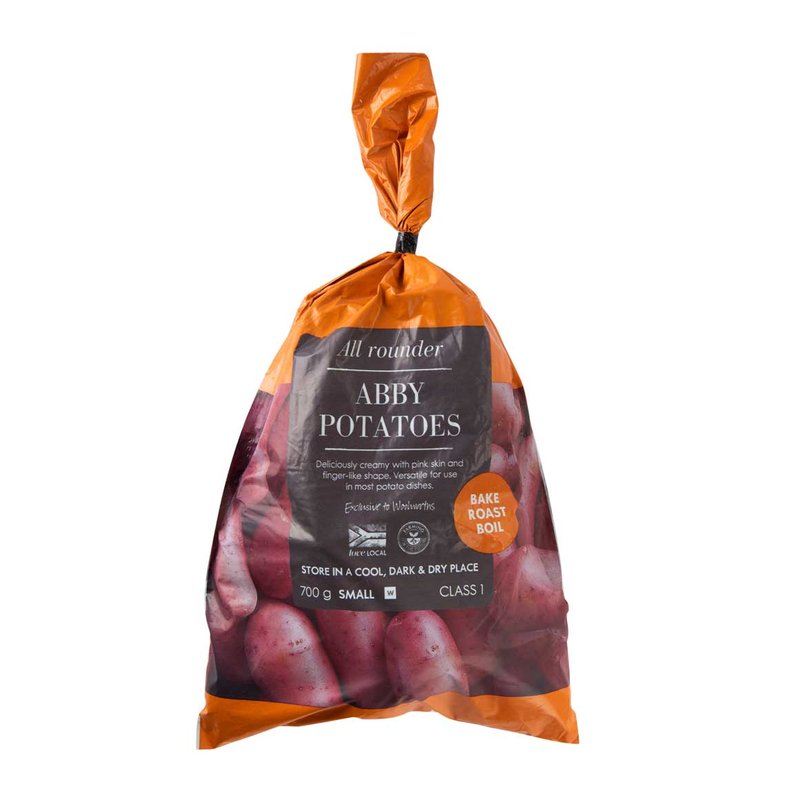
Woolworths Abby Potatoes
- Whole food
- Checked
- Grade C
Abby Potatoes by Woolworths has 62 kcal, 1.3 g carbs, 1.2 g protein and 0.4 g fat per serving (Per 80 g serving).
Woolworths Abby Potatoes are a versatile, minimally processed carbohydrate source with a creamy texture and pink skin. Each 80g serving provides 1.3g of carbohydrates, making them a low-carb option compared to typical potatoes. With 1.2g of fiber per serving, they offer a moderate fiber intake, which can aid in digestion. These potatoes are suitable for endurance athletes looking for a light carbohydrate source that won't spike blood sugar levels excessively. They are best consumed as part of a pre-training meal or during recovery, paired with a protein source to enhance muscle repair. Due to their low carbohydrate content, they are not ideal for high-intensity or long-duration sessions requiring rapid glycogen replenishment.
- Low-carb, fiber-rich option
- Minimal processing, natural source
- Versatile for various meal types
On the label per serving, Per 80 g serving
| Energy | 260 kJ |
|---|---|
| Calories | 62 kcal |
| Carbs | 1.3 g |
| Sugar | 0.6 g |
| Fibre | 1.2 g |
| Protein | 1.2 g |
| Fat | 0.4 g |
| Cholesterol | 0 mg |
| Sodium | 2 mg |
The numbers that matter on a training day
For endurance who it suits
Abby Potatoes offer a low-carb, fiber-rich option for endurance athletes seeking minimally processed foods. While they provide some nutritional benefits, their low carbohydrate content makes them unsuitable for high-intensity or long-duration activities. They are best consumed as part of a balanced meal before low-intensity sessions or during recovery when immediate glycogen replenishment is not required.
Abby Potatoes are suitable for endurance athletes who require a low-carb, fiber-rich food option. They are ideal for those who prefer minimally processed foods and are looking for a versatile ingredient to incorporate into their meals. Athletes who are sensitive to blood sugar spikes or those on a controlled carbohydrate diet may find this product particularly beneficial.
Best for easy runs or recovery days where glycogen replenishment is not urgent. Not recommended for high-intensity or long-duration sessions.
- Low carbohydrate content for controlled diets
- Moderate fiber content aids digestion
- Minimally processed, natural food source
- Versatile for various cooking methods
- Low carbohydrate content for endurance activities
- Insufficient sodium for sweat replacement
- Potential slow gastric emptying
- Potential for slow gastric emptying
- Low sodium content may not meet hydration needs
Fuelling science in short
Not recommended during workouts due to low carbohydrate content and potential for slow gastric emptying.
Low glycemic impact due to minimal carbohydrate content per serving. Slow gastric emptying may limit rapid energy availability.
Contains 2 mg sodium per serving, insufficient to cover sweat losses of 300-600 mg/hr. Potassium content is unspecified.
- Total carbs
- 1.3 g
- Hourly capacity
- 60
Race day before, during and after
- BeforeDO NOT USE
- DuringDO NOT USE
- AfterUSE
- Carb loadDO NOT USE
- Every dayUSE
Abby Potatoes are not suitable for pre-race or during-race use due to their low carbohydrate content and potential for slow gastric emptying. They are appropriate for recovery when paired with protein, as they provide a moderate amount of fiber and a natural food source. They are also suitable for everyday training meals where immediate energy demands are lower.
NOT RECOMMENDED for pre-race use because of low carbohydrate content and potential for slow gastric emptying, which may not provide sufficient energy for race demands.
NOT RECOMMENDED during racing because of low carbohydrate content and potential for slow gastric emptying, which may not meet energy needs.
USE during recovery when paired with a protein source to aid muscle repair and replenish glycogen stores over time.
- Pair with lean protein for muscle repair
- Combine with leafy greens for a balanced meal
- Add to soups for extra fiber and texture
For practitioners the evidence
Evidence grade: C — The nutritional profile is based on general potato data, with limited specific research on Abby Potatoes.
Abby Potatoes have a low carbohydrate density of 1.6g per 100g, making them unsuitable for carb loading. A single 80g serving provides only 1.3g of carbohydrates, contributing minimally to the 600-840g daily target for a 70kg athlete. Achieving effective carb loading would require an impractical volume of servings, leading to potential gastrointestinal discomfort and inadequate glycogen replenishment. Therefore, Abby Potatoes are not recommended for carb loading due to their low carb yield per serving and high volume requirement.
Upon ingestion, Abby Potatoes undergo minimal oral digestion. Their low carbohydrate content results in slow gastric emptying, with fiber potentially delaying this process further. In the small intestine, carbohydrates are absorbed via SGLT1 transporters, but the low carb content limits glucose availability. The moderate fiber content may undergo fermentation in the colon, potentially causing gas or bloating if consumed in large quantities. The low carb content limits the insulin response, making them unsuitable for rapid energy needs.
Abby Potatoes provide minimal carbohydrates for glycogen resynthesis, with only 1.3g per 80g serving. They lack significant protein content, making them inadequate as a standalone recovery food. However, when paired with a protein source, they can contribute to a balanced recovery meal. The moderate fiber content may aid digestion, but their low sodium content does not support rehydration needs. Overall, they are not ideal for recovery but can be part of a balanced meal.
The low carbohydrate content of Abby Potatoes limits their ability to provide rapid energy during exercise. Their moderate fiber content may cause gastrointestinal discomfort if consumed in large quantities, particularly during intense activity. The low sodium content does not support adequate electrolyte replenishment, which is critical during prolonged exercise. Additionally, the low carb content may not meet the energy needs of high-intensity activities, leading to potential performance detriments.
- Do not use during high-intensity sessions due to low carbohydrate content.
- Do not consume in large quantities if prone to gastrointestinal discomfort.
- Do not rely on for sodium replenishment during prolonged exercise.
- Low carbohydrate content may lead to inadequate glycogen replenishment.
- Moderate fiber content may cause gastrointestinal distress during exercise.
- Low sodium content may not support adequate hydration.
- Minimal protein content limits muscle repair and recovery potential.
Questions about Abby Potatoes
How many carbs are in Abby Potatoes by Woolworths?
1.3 g of carbs per serving (Per 80 g serving), with 62 kcal and 1.2 g protein.
Can Abby Potatoes be used for carb loading?
No, Abby Potatoes have low carbohydrate content per serving, making them unsuitable for effective carb loading.
Are Abby Potatoes suitable for a low-carb diet?
Yes, with only 1.3g of carbs per 80g serving, they fit well into low-carb diets.
How should Abby Potatoes be prepared for optimal nutrition?
Boiling or steaming is recommended to preserve nutrients and avoid added fats from frying.
Can Abby Potatoes be eaten during a workout?
No, they are not recommended during workouts due to low carb content and potential for slow digestion.
Are there any allergens in Abby Potatoes?
No specific allergens are listed, but always check packaging for changes.
What makes Abby Potatoes different from other potatoes?
They have a creamy texture and pink skin, with low carbohydrate content compared to typical potatoes.
Eating this today? Log it in one tap.
Say "Abby Potatoes" and it lands in your diary, counted against today's carbs and protein.