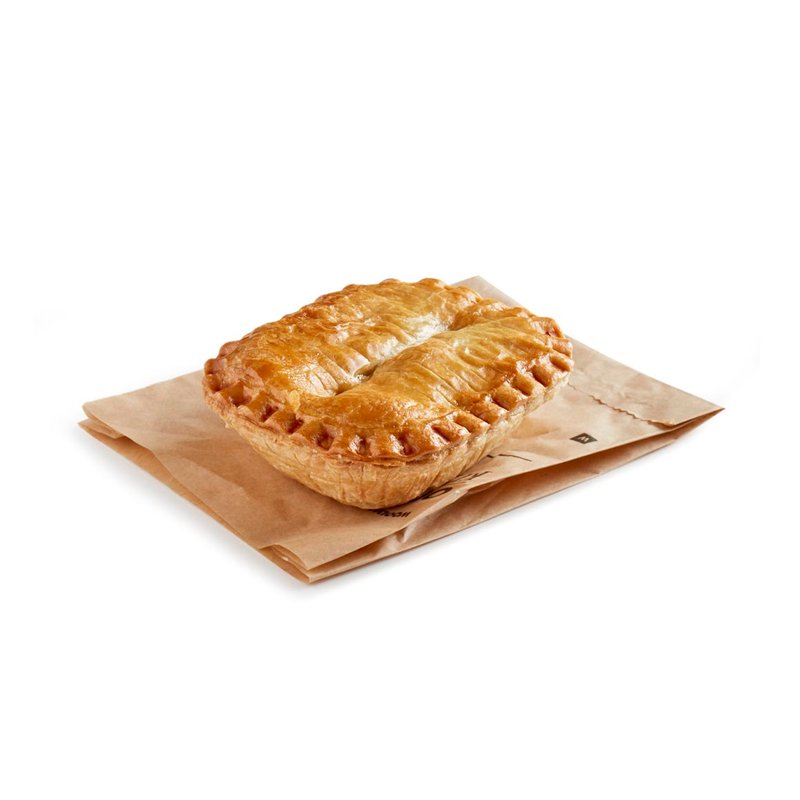
Woolworths Chicken & Mushroom Pie
- Meal
- Checked
- Grade C
Chicken & Mushroom Pie by Woolworths has 493 kcal, 34 g carbs, 11.6 g protein and 33.2 g fat per serving (1 pie (average mass)).
Woolworths Chicken & Mushroom Pie is a savory option featuring oven-roasted chicken in a creamy mushroom sauce encased in short crust and puff pastry. While the pie provides a hearty meal, its high fat content (33.2g per serving) and moderate protein (11.6g per serving) make it less ideal for endurance athletes seeking quick energy. The carbohydrate content is moderate at 34g per serving, but the high fat and saturated fat levels may slow gastric emptying, making it unsuitable for pre-race or mid-race consumption. It's best reserved for post-training meals where a more balanced macronutrient intake is acceptable.
- Hearty post-training meal
- Moderate carbohydrate content
- Decent protein source
On the label per serving, 1 pie (average mass)
| Energy | 2062 kJ |
|---|---|
| Calories | 493 kcal |
| Carbs | 34.0 g |
| Sugar | 2.6 g |
| Fibre | 5.1 g |
| Protein | 11.6 g |
| Fat | 33.2 g |
| Saturated fat | 19.0 g |
| Cholesterol | 9 mg |
| Sodium | 717 mg |
The numbers that matter on a training day
For endurance who it suits
While the Woolworths Chicken & Mushroom Pie offers a comforting meal option, its high fat and moderate carbohydrate content make it unsuitable for pre-race or mid-race fueling. It may serve as a post-training meal when balanced macronutrient intake is desired. Athletes should be cautious of its potential to slow digestion and cause gastrointestinal discomfort if consumed close to exercise.
This pie is suitable for endurance athletes looking for a filling meal post-training or on rest days. It's not ideal for those needing quick energy due to its high fat content, which can slow digestion. Athletes in the off-season or those engaging in less intense training sessions may find it a comforting option.
Best suited for post-training meals or rest days. Not recommended for high-intensity or long-duration sessions due to high fat content.
- Provides a hearty, filling meal
- Contains moderate carbohydrates for energy
- Decent protein content for muscle repair
- High sodium content aids in rehydration
- High fat content slows digestion
- Not suitable for pre-race or mid-race
- Solid form impractical during exercise
- Potential for gastrointestinal discomfort during exercise
- High saturated fat may impact heart health over time
Fuelling science in short
No, the pie is not practical for during workouts due to its high fat content and solid form, which can slow digestion and cause gastrointestinal discomfort.
Moderate GI impact due to mixed macronutrient profile. High fat content slows gastric emptying, reducing rapid blood sugar spikes.
Contains 717mg sodium per serving, which partially meets the 300-600mg/hr sodium loss in sweat. Potassium and magnesium content is not specified.
- Total carbs
- 34 g
- Hourly capacity
- 60
Race day before, during and after
- BeforeDO NOT USE
- DuringDO NOT USE
- AfterUSE
- Carb loadDO NOT USE
- Every dayCAUTION
The pie's high fat content and solid form make it unsuitable for pre-race and during-race consumption due to potential digestive issues. It can be used for recovery if paired with additional protein sources. Its use in everyday training should be cautious due to its macronutrient profile not aligning with quick energy needs.
NOT RECOMMENDED for pre-race use because its high fat content (33.2g per serving) can slow gastric emptying and digestion, potentially leading to gastrointestinal discomfort during exercise.
NOT RECOMMENDED during racing because its solid form and high fat content make it impractical and potentially disruptive to digestion.
USE post-race as a hearty meal option. Pair with a protein-rich food or supplement to aid muscle recovery and glycogen replenishment.
- Pair with a protein shake for enhanced recovery
- Add a side of vegetables for increased fiber
- Accompany with a low-fat yogurt to balance macronutrients
For practitioners the evidence
Evidence grade: C — The analysis is based on nutritional composition and general digestion principles rather than specific endurance studies.
The pie has a carbohydrate density of 20g per 100g, which is moderate. However, its high fat content (19.5g per 100g) and solid form make it unsuitable for carb loading. A serving contributes only 34g of carbohydrates, requiring multiple servings to meet a 600g daily target for a 70kg athlete. This is impractical due to the high fat content and potential for gastrointestinal discomfort.
The pie's high fat content (33.2g per serving) slows gastric emptying, delaying the availability of carbohydrates for energy. Carbohydrates are absorbed in the small intestine via SGLT1 transporters for glucose. The presence of protein and fat can further slow digestion, reducing the pie's suitability for rapid energy needs. The creamy sauce may also increase osmolality, potentially affecting absorption rates.
The pie provides carbohydrates for glycogen replenishment but lacks sufficient protein for optimal muscle protein synthesis, which requires ~0.3-0.4g/kg per meal. Its high sodium content (717mg per serving) can aid rehydration, but additional protein sources are necessary for comprehensive recovery.
The pie's high fat content can cause gastrointestinal distress if consumed close to exercise. The solid form is impractical during exercise, and its high saturated fat content may impact cardiovascular health over time. The pie's macronutrient profile does not support rapid energy availability, making it unsuitable for pre-race or mid-race consumption.
- Do not use within 90 minutes of race start due to high fat content.
- Avoid during races as it may cause gastrointestinal distress.
- Not suitable for athletes with wheat, milk, or egg allergies.
- High fat content may slow gastric emptying and digestion.
- Saturated fat content (19g per serving) may impact heart health.
- Solid form increases risk of gastrointestinal discomfort during exercise.
- High sodium content may not be suitable for individuals with hypertension.
Questions about Chicken & Mushroom Pie
How many carbs are in Chicken & Mushroom Pie by Woolworths?
34 g of carbs per serving (1 pie (average mass)), with 493 kcal and 11.6 g protein.
Can I eat this pie before a race?
No, it's not recommended due to high fat content which can slow digestion and cause gastrointestinal discomfort.
Is this pie suitable for recovery?
Yes, it can be part of a recovery meal when paired with additional protein sources to aid muscle repair.
How should I store the pie?
Store in a cool, dry place. Refrigerate after opening and consume within 2 days.
What are the potential allergens?
The pie contains wheat, milk, and egg ingredients, which may pose allergen risks.
Is this pie suitable for carb loading?
No, the pie's high fat content and moderate carbohydrate level make it unsuitable for efficient carb loading.
Can I consume this pie during hot weather?
It's not ideal as high fat content can slow digestion, potentially leading to discomfort, especially in hot conditions.


Eating this today? Log it in one tap.
Say "Chicken & Mushroom Pie" and it lands in your diary, counted against today's carbs and protein.
