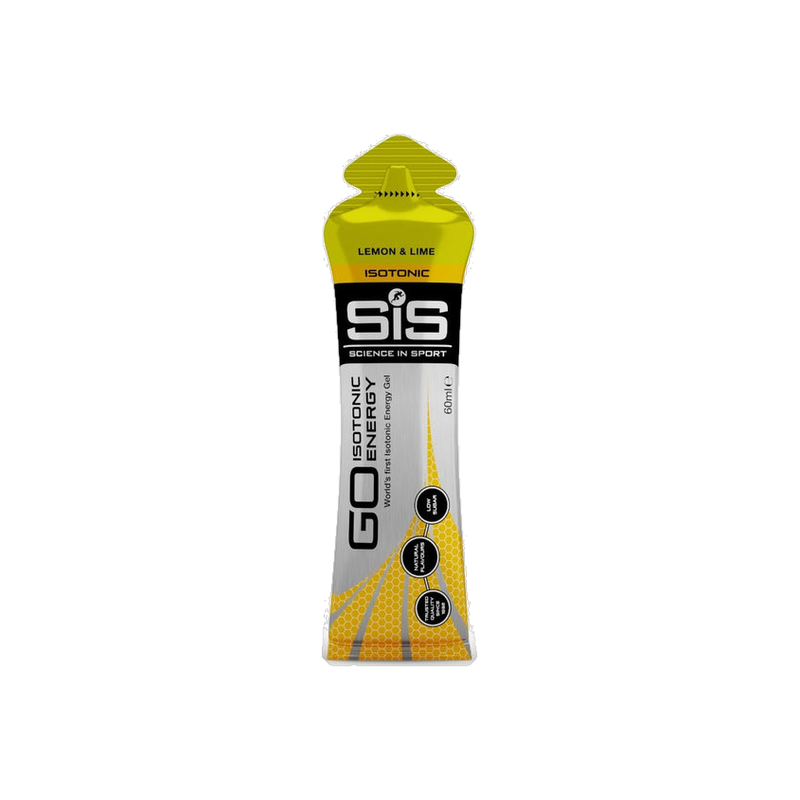
Science In Sport GO Isotonic Energy Gel 60ml - Single Unit (Lemon & Lime)
- Gel
- 22 g carbs per serving
- From Science In Sport's label
Science In Sport GO Isotonic Energy Gel 60ml - Single Unit (Lemon & Lime) has 22 g carbs, 10 mg sodium per serving, from R44 a serving at the cheapest size. Value score 2.9/10 (poor value).
Easily digestible by the stomach providing energy fast. No need for additional water. Convenient form-factor for versatile fuelling. A liquid carbohydrate energy gel created using maltodextrin. Officially the World's first Isotonic Energy Gel and Winner of the Queen’s Award for Enterprise in 2015. It continues to be a go-to energy source for elite athletes worldwide.
- Used as part of your fuelling strategy
- the GO Isotonic Energy Gel can help you maintain your pace for longer
- Isotonic formula means no need for additional water or fluids
- Easily & quickly absorbed by the stomach
- providing energy fast
- No artificial flavours
Decision helper the numbers athletes compare
| Cost score against the Endure average | 3.4/10 |
|---|---|
| 35 products in the category | +1.07σ |
| Requires >2 servings/hr to hit 60 g | -0.5 |
| Value score | 2.9/10 |
On the label per serving, 60ml
| Energy | 87 kcal |
|---|---|
| Carbs | 22 g |
| Sugar | 0.6 g |
| Protein | 0 g |
| Fat | 0 g |
| Sodium | 10 mg |
| Potassium | 0 mg |
| Caffeine | 0 mg |
| Carb type | Maltodextrin |
| Glucose to fructose | 1:0 |
| Carb sources | Maltodextrin |
Who it suits and where it falls short
The GO Isotonic Energy Gel is ideal for endurance athletes such as marathon runners and long-distance cyclists who require a quick energy boost without the need for additional water. It is particularly suited for athletes who prefer a simple, fast-absorbing carbohydrate source during high-intensity efforts. This product is also beneficial for athletes participating in events where carrying extra fluids is impractical, such as trail runners or triathletes in the cycling segment.
tempo runs 60-90min, long rides 3-5hr, interval training 45-60min, brick workouts 2-3hr, trail runs 90min+, marathon pace runs 90min+
- Isotonic formula eliminates need for additional water.
- Rapid absorption due to simple carb structure.
- Convenient single-unit packaging for easy use.
- Low sugar content reduces risk of GI distress.
- No artificial flavors, appealing to clean label seekers.
- Single-source carb limits absorption to ~60g/hour.
- Low sodium content may require additional electrolyte supplementation.
- Higher cost per gram of carbohydrate compared to alternatives.
- Limited flavor variety may not suit all preferences.
How to use it, by distance
For a 5k race, this gel may not be necessary due to the short duration. However, if used, consume one gel 15 minutes before the start for a quick energy boost.
Consume one gel 10-15 minutes before the start to ensure glycogen stores are topped up. This can help maintain pace throughout the race.
Take one gel 10 minutes before the start and another at the halfway point (around 10-11 km). This helps maintain energy levels and delay fatigue.
Consume one gel 10 minutes before the race, then take one every 45 minutes. This aligns with a strategy of approximately 30g of carbs per hour, helping to sustain energy stores throughout the marathon.
The science in short
Best used for mid-race energy boosts during long endurance events where hydration is minimal.
Isotonic — The gel is designed to match the osmolality of body fluids, facilitating rapid absorption and reducing the risk of gastrointestinal distress during exercise.The GO Isotonic Energy Gel is a solid choice for athletes needing quick energy without extra water. However, its single-source carbohydrate limits its effectiveness for those seeking to maximize carbohydrate absorption. The low sodium content is a drawback for longer events, necessitating additional electrolyte supplementation. Despite these limitations, the gel's isotonic nature makes it a reliable option for mid-race energy boosts.
The gel's isotonic nature allows for rapid gastric emptying and absorption without the need for additional water. Maltodextrin is a glucose polymer that provides a quick energy source via the SGLT1 transporters, but its single-source nature limits the maximum carbohydrate absorption rate to about 60g per hour.
While the isotonic formula is convenient, the single-source carbohydrate limits the efficiency of energy delivery compared to multi-source gels, which can utilize both SGLT1 and GLUT5 transporters for higher absorption rates.
Each 60ml serving provides 22g of carbohydrates, which is on the lower end compared to other gels, requiring more frequent consumption to meet higher carb needs.
0.366 g/ml, which is typical for isotonic gels but lower than concentrated energy gels.
The gel uses a single-source carbohydrate, maltodextrin, which is glucose-based and limits absorption to the SGLT1 pathway.
Maltodextrin — glucose pathway (SGLT1)
Contains 10mg of sodium per gel, which is significantly lower than the 300-600mg/hr typically lost in sweat, necessitating additional electrolyte supplementation.
1:0 — This ratio limits absorption to the SGLT1 pathway, capping effective carbohydrate intake at around 60g per hour.
3 gels = 66g carbs, within 60-90g/hr ceiling
- ⚡ High spike risk — best mid-effort. Risk of rebound hypoglycemia.
- 🧂 Low sodium — supplement with salt tabs for >90 min runs.
- 🔒 Single-source carb — limited to ~60g/hour absorption rate via SGLT1 only.
Using it in training and racing
- acidity
- moderate — The citric acid provides a refreshing tang that complements the lemon and lime flavor.
- summary
- The gel is refreshing and easy to consume, making it a reliable choice during long sessions, though some may find the flavor options limited.
- texture
- The gel is easy to squeeze out of the packet with minimal pressure, dissolving quickly in the mouth without leaving residue.
- mouthfeel
- gel-like — The texture is smooth and easy to swallow, avoiding the stickiness of some gels.
- sweetness
- moderate — The sweetness is balanced, similar to a diluted sports drink, making it palatable during intense efforts.
- aftertaste
- clean — The aftertaste is minimal, leaving a slight citrus note without lingering sweetness.
- available flavors
- Lemon & Lime
- tips
- Test gels in training to avoid race day surprises., Pair with water-only hydration to prevent over-sweetness., Monitor for GI distress and adjust intake as needed., Practice opening and consuming gels on the move.
- week 1
- Start with one gel during a 45-minute run, twice a week, to assess tolerance.
- week 2
- Increase to one gel every 30 minutes during a 60-minute session, twice a week.
- week 3
- Simulate race pace by consuming one gel every 20 minutes during a 90-minute run.
- week 4
- Rehearse full race strategy with gels every 45 minutes during a 2-hour session.
In heat above 25°C, the gel maintains its consistency but may feel warmer, which some may find less palatable. In cold conditions below 5°C, the gel thickens slightly but remains squeezable. It is not prone to freezing, making it suitable for a range of temperatures.
The gel's packaging features a tear notch for easy opening, even with one hand. The packet is compact and fits well in running belts or cycling jersey pockets, though it may leave a sticky residue if not handled carefully.
The brand does not provide specific information on packaging recyclability or sourcing transparency, which is a consideration for environmentally conscious athletes.
- Electrolyte tablets for sodium supplementation during long events.
- Protein bars for recovery post-exercise.
- Hydration packs for water-only fluid intake.
- Maltodextrin is a common glucose-based carbohydrate used for rapid energy delivery (source: Nutrition Journal).
- Isotonic solutions are designed to match body fluid osmolality, aiding in quick absorption (source: Sports Science Review).
- Low sodium content necessitates additional electrolyte sources for endurance athletes (source: Journal of Athletic Training).
- Single-source carbohydrate limits absorption to SGLT1 transporters (source: Journal of Applied Physiology).
## Who It's For The GO Isotonic Energy Gel is tailored for endurance athletes such as marathon runners, cyclists, and triathletes who require a quick energy boost without the need for additional water. Its isotonic formulation makes it particularly suitable for athletes who prefer a simple, fast-absorbing carbohydrate source during high-intensity efforts. This product is also beneficial for athletes participating in events where carrying extra fluids is impractical, such as trail runners or cyclists during long rides.
## Inside the Formulation This energy gel is formulated with maltodextrin, a glucose-based carbohydrate that is rapidly absorbed by the body. The isotonic nature of the gel means it matches the osmolality of body fluids, allowing for quick gastric emptying and absorption without the need for additional water. Despite its convenience, the gel's single-source carbohydrate limits the efficiency of energy delivery compared to multi-source gels, which can utilize both SGLT1 and GLUT5 transporters for higher absorption rates. The gel also contains 10mg of sodium, which is significantly lower than the 300-600mg/hr typically lost in sweat, necessitating additional electrolyte supplementation.
## On Course: How to Use It For a 5k race, this gel may not be necessary due to the short duration. However, if used, consume one gel 15 minutes before the start for a quick energy boost. In a 10k, consume one gel 10-15 minutes before the start to ensure glycogen stores are topped up. For a half marathon, take one gel 10 minutes before the start and another at the halfway point (around 10-11 km). During a marathon, consume one gel 10 minutes before the race, then take one every 45 minutes. This aligns with a strategy of approximately 30g of carbs per hour, helping to sustain energy stores throughout the marathon.
## How It Compares Compared to other energy gels, the GO Isotonic Energy Gel offers the advantage of not requiring additional water, making it convenient for athletes who prefer minimal hydration strategies. However, its single-source carbohydrate limits its effectiveness for those seeking to maximize carbohydrate absorption. The low sodium content is a drawback for longer events, necessitating additional electrolyte supplementation. Despite these limitations, the gel's isotonic nature makes it a reliable option for mid-race energy boosts.
## Training Your Gut To optimize performance and avoid gastrointestinal distress, athletes should train their gut to tolerate the gel. In week 1, start with one gel during a 45-minute run, twice a week, to assess tolerance. In week 2, increase to one gel every 30 minutes during a 60-minute session, twice a week. In week 3, simulate race pace by consuming one gel every 20 minutes during a 90-minute run. In week 4, rehearse the full race strategy with gels every 45 minutes during a 2-hour session. Key tips include testing gels in training to avoid race day surprises, pairing with water-only hydration to prevent over-sweetness, monitoring for GI distress, and practicing opening and consuming gels on the move.
## The Verdict The GO Isotonic Energy Gel is a solid choice for athletes needing quick energy without extra water. However, its single-source carbohydrate limits its effectiveness for those seeking to maximize carbohydrate absorption. The low sodium content is a drawback for longer events, necessitating additional electrolyte supplementation. Despite these limitations, the gel's isotonic nature makes it a reliable option for mid-race energy boosts. Athletes should consider their specific needs and race conditions when integrating this gel into their fuelling strategy.
Sizes and where to buy
Questions about GO Isotonic Energy Gel 60ml - Single Unit (Lemon & Lime)
How many carbs are in Science In Sport GO Isotonic Energy Gel 60ml - Single Unit (Lemon & Lime)?
22 g of carbs per serving (60ml), with 10 mg sodium, from Science In Sport's label.
What does Science In Sport GO Isotonic Energy Gel 60ml - Single Unit (Lemon & Lime) cost per serving?
From R44 a serving at the cheapest size, which buys 5 g of carbs per R10.
How many gels should I consume per hour?
It is recommended to consume 1-3 gels per hour during endurance exercise to maximize carbohydrate utilization rates. This aligns with the gel's carbohydrate content and absorption limits, ensuring you stay fueled without exceeding your body's capacity to absorb glucose.
How does this gel compare to its main competitor?
Compared to its main competitors, the GO Isotonic Energy Gel provides the convenience of not requiring additional water due to its isotonic formulation. However, it may fall short in terms of carbohydrate absorption efficiency due to its single-source maltodextrin content, which limits the maximum absorption rate to about 60g per hour.
Is there caffeine in this gel?
No, this particular gel does not contain caffeine, making it suitable for athletes who prefer to avoid stimulants or who may be sensitive to caffeine. This allows for flexible use during any time of day without affecting sleep patterns or causing jitteriness.
How should I mix or dissolve this product?
As an isotonic gel, there is no need for mixing or additional water. Simply consume the gel directly from the packet. This makes it particularly convenient for athletes who want to minimize the hassle of mixing or carrying extra fluids during their activity.
How does this gel behave in heat or cold?
In heat above 25°C, the gel maintains its consistency but may feel warmer, which some may find less palatable. In cold conditions below 5°C, the gel thickens slightly but remains squeezable. It is not prone to freezing, making it suitable for a range of temperatures.
What is the best way to train my gut for this gel?
Begin with consuming one gel during a 45-minute run twice a week to assess tolerance. Gradually increase frequency and simulate race conditions by consuming gels at race pace. This progressive approach helps your digestive system adapt, minimizing the risk of gastrointestinal distress during competition.
Is this product vegan and allergen-free?
The gel does not contain any animal-derived ingredients, making it suitable for vegans. However, it is always advisable to check for any specific allergens you may be sensitive to, as manufacturing processes can vary.
What are the side effects of this gel?
Potential side effects may include gastrointestinal discomfort if consumed in excess, particularly due to its maltodextrin content. It's important to test tolerance in training and ensure adequate hydration and electrolyte balance to minimize any adverse effects.
In our journal featuring GO Isotonic Energy Gel 60ml - Single Unit (Lemon & Lime)
Compare with gels close in carbs
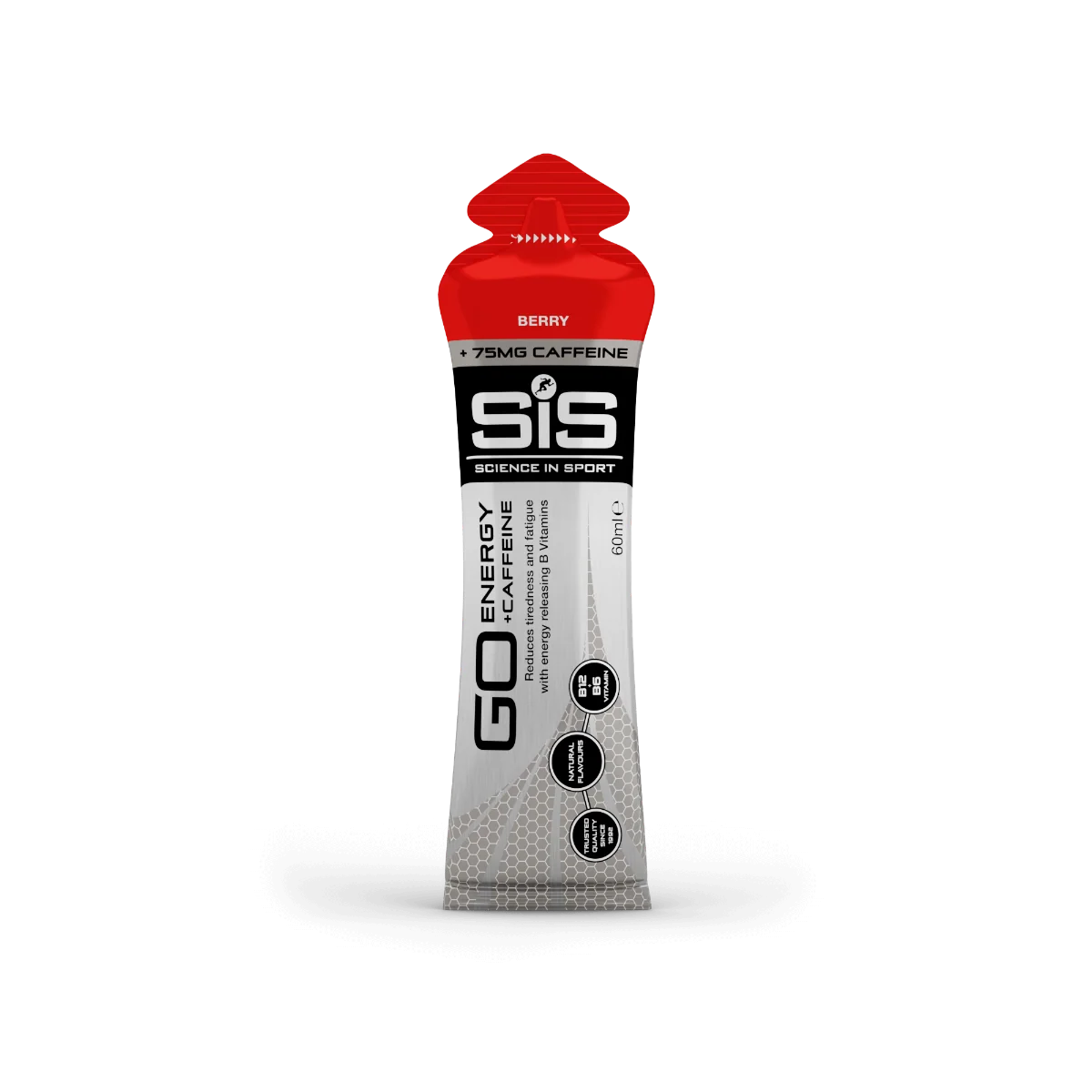
- Energy Gel vs Energy Bar vs GO Isotonic Energy Gel 60ml - Single Unit (Lemon & Lime)Compare ›
- GO Isotonic Energy Gel 60ml - Single Unit (Lemon & Lime) vs Beta Fuel Gel + Electrolyte 60ml - Single Unit (Raspberry & Lemon)Compare ›
- GO Isotonic Energy Gel 60ml - Single Unit (Lemon & Lime) vs GO Isotonic Energy Gel 60ml - Single Unit (Fruit Salad) vs HIGH ENERGY GEL 76g - SALTYCompare ›
- Vooma Ultra Energy Gel - Chocolate vs GO Isotonic Energy Gel 60ml - Single Unit (Lemon & Lime)Compare ›
Racing with GO Isotonic Energy Gel 60ml - Single Unit (Lemon & Lime)? Put it in your plan.
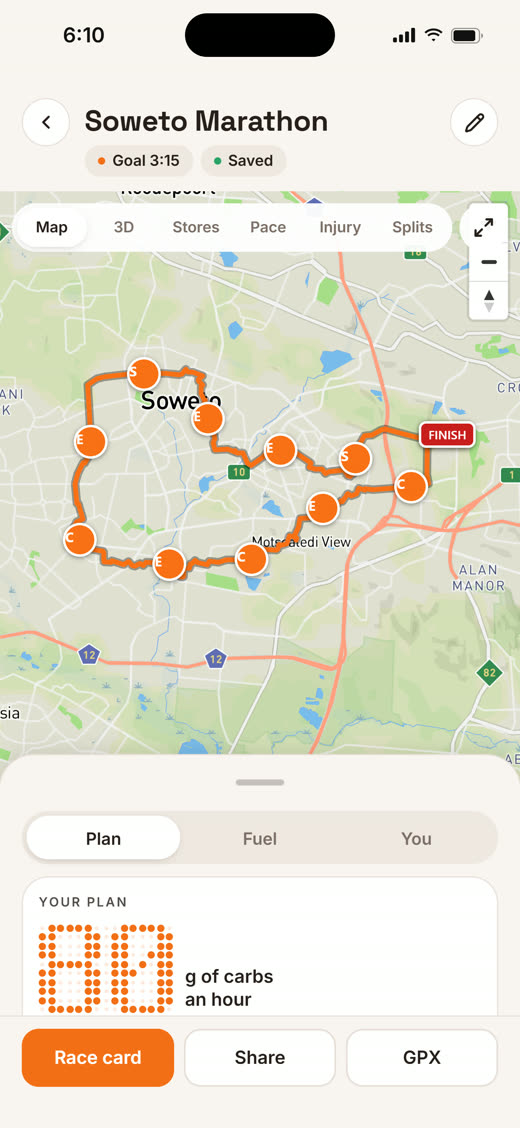
Glyco places it on your race course by time, at the rate your gut can take, and tracks what you actually used.