
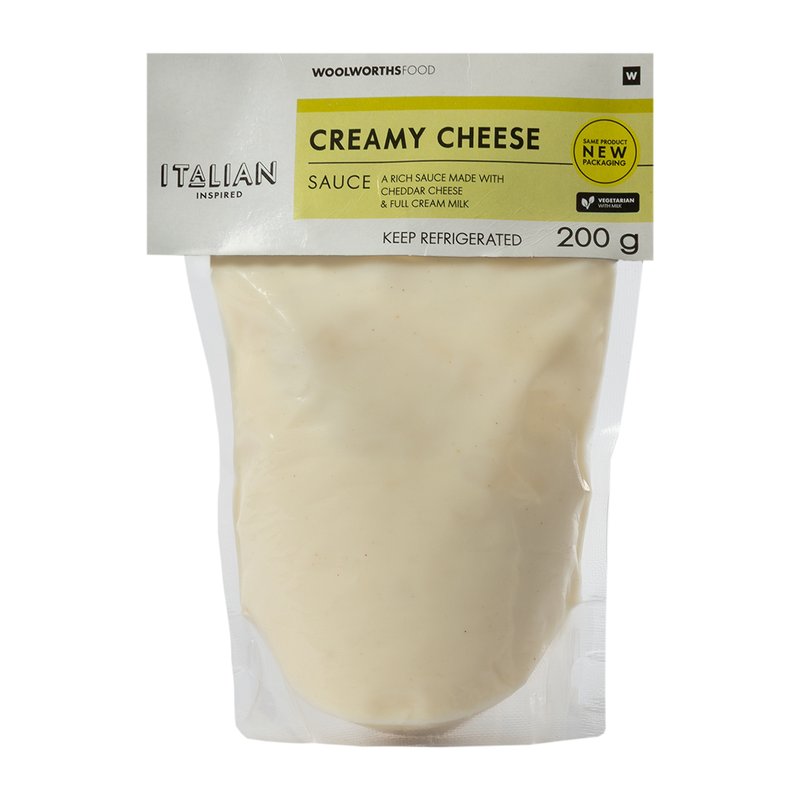
Woolworths Creamy Tomato Sauce
- Sauce
- Checked
- Grade C
Creamy Tomato Sauce by Woolworths has 134 kcal, 7 g carbs, 1.9 g protein and 10.8 g fat per serving (100g).
Woolworths Creamy Tomato Sauce combines slow-cooked Italian tomatoes, sun-dried tomatoes, and mascarpone cheese to create a rich, flavorful addition to pasta dishes. With 66.9 kcal and 4g of carbohydrates per serving (100g), it offers a low-carb option for athletes looking to enhance meals without a high glycemic load. The sauce's fat content, primarily from mascarpone cheese, may slow gastric emptying, making it less suitable for pre-race or during-race consumption. However, it can be a flavorful component of a post-training meal when paired with a protein source. Ideal for endurance athletes seeking to maintain energy levels without spiking blood sugar, this sauce is best consumed in moderation.
- Low glycemic impact
- Moderate sodium content
- Rich in flavor
On the label per serving, 100g
| Energy | 559 kJ |
|---|---|
| Calories | 134 kcal |
| Carbs | 7.0 g |
| Sugar | 6.8 g |
| Fibre | 1.0 g |
| Protein | 1.9 g |
| Fat | 10.8 g |
| Saturated fat | 5.5 g |
| Cholesterol | 26 mg |
| Sodium | 401 mg |
The numbers that matter on a training day
For endurance who it suits
While Woolworths Creamy Tomato Sauce offers a flavorful addition to meals, its low carbohydrate content and higher fat levels limit its utility in high-intensity endurance contexts. It's best used as a meal component rather than a primary fuel source. Pairing it with a protein source post-training can enhance recovery without overloading on carbs.
This sauce is suitable for endurance athletes who wish to add flavor to their meals without significantly increasing carbohydrate intake. It's particularly beneficial for those managing energy levels during training cycles or in the off-season. However, it should be consumed with caution by athletes who are sensitive to higher fat content or those with lactose intolerance.
Ideal for easy training days or recovery meals when paired with a protein source. Avoid during high-intensity sessions or races due to its fat content.
- Low carbohydrate content per serving
- Moderate sodium level for electrolyte balance
- Rich flavor enhances meal palatability
- Vegetarian-friendly
- High fat content slows gastric emptying
- Not suitable for during-race consumption
- Limited carbohydrate contribution
- Potential for GI distress if consumed pre-race
- High fat content may not suit all athletes
Fuelling science in short
Not recommended during workouts due to its fat content, which can slow gastric emptying and potentially cause GI distress.
With 4g of carbs per serving, this sauce has a low glycemic impact, making it unlikely to cause significant blood sugar spikes. The presence of fats further moderates the glycemic response.
Contains 201mg of sodium per serving, which is moderate compared to the 300-600mg/hr sweat loss range. Potassium content is unspecified.
- Total carbs
- 4 g
- Hourly capacity
- 60
Race day before, during and after
- BeforeDO NOT USE
- DuringDO NOT USE
- AfterUSE
- Carb loadDO NOT USE
- Every dayUSE
The sauce's high fat content makes it unsuitable for pre-race and during-race consumption due to potential GI distress and slow gastric emptying. It lacks sufficient carbohydrates for effective carb-loading but can enhance recovery meals when paired with protein. Everyday training use is viable if balanced with other macronutrients.
NOT RECOMMENDED for pre-race use because the high fat content can slow gastric emptying, potentially leading to GI distress during high-intensity efforts.
NOT RECOMMENDED during racing because it exceeds gut transporter capacity for fats and provides no fast-acting carbohydrates.
USE with a protein source to aid recovery. The sauce provides flavor and some energy, but additional carbs and protein are necessary for optimal glycogen resynthesis and muscle repair.
- Whole grain pasta for balanced macronutrient intake
- Grilled chicken for protein post-training
- Steamed vegetables to enhance nutrient density
For practitioners the evidence
Evidence grade: C — Limited direct evidence supports its use in endurance contexts; analysis based on nutritional composition.
The sauce has a low carb density of 4g per serving (100g), which is insufficient for effective carb-loading. A 70 kg athlete aiming for 600-840g of carbs per day would find this sauce impractical due to its low carbohydrate yield and high fat content. The athlete would need an excessive number of servings to meet carb-loading targets, which is not feasible.
The sauce's high fat content slows gastric emptying, delaying carbohydrate absorption. The small amount of carbohydrates present will be absorbed via SGLT1 transporters in the small intestine. The presence of fats and proteins from mascarpone cheese may further delay absorption, reducing the sauce's utility as a quick energy source.
The sauce provides some carbohydrates for glycogen resynthesis but lacks sufficient protein for muscle protein synthesis. Pairing with a protein source is necessary to meet the leucine threshold and support recovery. Its moderate sodium content can assist in rehydration when combined with adequate fluid intake.
The sauce's high fat content can cause GI distress during exercise if consumed pre-race. Its low carbohydrate content limits its use as an energy source during endurance activities. The sauce may also contribute to dental erosion due to its sugar content and acidity from tomatoes.
- Do not use within 90 minutes of race start due to high fat content.
- Avoid during intense sessions as it lacks fast-acting carbohydrates.
- Do not use for carb-loading; insufficient carbohydrate density.
- High fat content may slow gastric emptying, causing GI distress.
- Contains lactose, which can affect those with lactose intolerance.
- Low carbohydrate content limits energy availability during exercise.
- Potential for dental erosion due to sugar and acidity.
Questions about Creamy Tomato Sauce
How many carbs are in Creamy Tomato Sauce by Woolworths?
7 g of carbs per serving (100g), with 134 kcal and 1.9 g protein.
Can I use this sauce before a race?
It's not recommended due to its high fat content, which may slow gastric emptying and cause GI distress.
Is this sauce suitable for recovery meals?
Yes, when paired with a protein source, it can enhance flavor and provide some energy post-training.
How should I store this sauce?
Store unopened in a cool, dry place. Once opened, refrigerate and use within a week.
Does this sauce contain any allergens?
Yes, it contains milk, which may affect those with lactose intolerance.
Is it suitable for carb-loading?
No, the sauce's low carbohydrate content makes it unsuitable for effective carb-loading.
What are the main nutritional components?
Per serving, it contains 66.9 kcal, 4g carbs, 5.4g fat, and 1g protein.


Eating this today? Log it in one tap.
Say "Creamy Tomato Sauce" and it lands in your diary, counted against today's carbs and protein.
