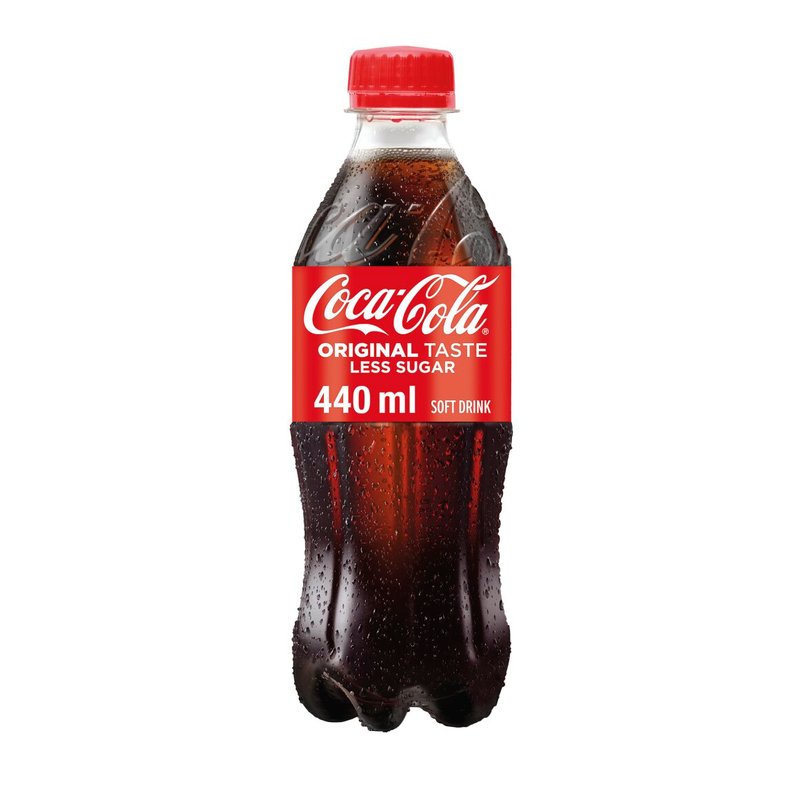
Coca-Cola Coca-Cola Original Soft Drink
- Liquid
- Checked
- Grade C
Coca-Cola Original Soft Drink by Coca-Cola has 189 kcal, 48 g carbs, 0 g protein and 0 g fat per serving (1 can (440 ml)).
Coca-Cola Original Soft Drink is a carbonated beverage known for its iconic taste. With 48g of carbohydrates per 440ml can, it provides a rapid energy source, primarily through simple sugars. This can be beneficial for endurance athletes needing a quick energy boost during prolonged events. However, its high sugar content and lack of other nutrients make it unsuitable as a primary fuel source. The caffeine content, though unspecified, can aid alertness and reduce fatigue. It's best consumed during long training sessions or races when quick energy is needed, but should be paired with nutrient-dense foods to balance its nutritional profile.
- Quick energy boost
- Contains caffeine for alertness
- Easily digestible sugars
On the label per serving, 1 can (440 ml)
| Energy | 792 kJ |
|---|---|
| Calories | 189 kcal |
| Carbs | 48.0 g |
| Sugar | 46.6 g |
| Fibre | 0.0 g |
| Protein | 0.0 g |
| Fat | 0.0 g |
| Saturated fat | 0.0 g |
| Sodium | 31 mg |
The numbers that matter on a training day
For endurance who it suits
Coca-Cola Original can be a useful tool for quick energy during endurance events, especially when other sources of carbohydrates are unavailable. However, its high sugar content and lack of electrolytes mean it should not be relied upon as a sole source of fuel. Use it strategically and in combination with other nutrient-dense foods.
Coca-Cola Original is suitable for endurance athletes who require a rapid energy boost during long events. It's particularly beneficial for those who experience energy dips or need a taste reset during ultra-endurance races. However, athletes should be cautious of its high sugar content and ensure it's part of a broader nutrition strategy.
Ideal for ultra-endurance events or long training sessions where quick energy is needed. Not suitable for short, high-intensity workouts due to high sugar content.
- Provides quick energy via simple sugars
- Contains caffeine for mental alertness
- Liquid form is easy to consume mid-race
- Widely available and familiar taste
- High sugar content with potential for dental erosion
- Lacks essential electrolytes for hydration
- Carbonation may cause gastrointestinal discomfort
- Not suitable as a primary fuel source
- High sugar content can lead to dental erosion
- Carbonation may cause GI distress during exercise
Fuelling science in short
Yes, consume during long workouts or races for a quick energy boost. Its liquid form makes it easy to ingest but be mindful of carbonation.
High glycemic index due to simple sugars, leading to rapid blood sugar spikes. Quick gastric emptying but may cause rebound hypoglycemia if not managed.
Contains 31mg sodium per serving, insufficient for significant sweat losses. Minimal potassium content.
- Total carbs
- 48 g
- Hourly capacity
- 60-90g with fructose co-ingestion
Race day before, during and after
- BeforeDO NOT USE
- DuringUSE
- AfterDO NOT USE
- Carb loadDO NOT USE
- Every dayCAUTION
Coca-Cola Original is unsuitable for pre-race due to high sugar and carbonation, which can cause GI distress. It can be used during races for quick energy but lacks the nutrients needed for recovery. It's not suitable for carb-loading due to high sugar and lack of complex carbs. Use cautiously in everyday training, balancing with nutrient-dense foods.
NOT RECOMMENDED for pre-race use because of high sugar content leading to potential blood sugar volatility and carbonation causing gastric discomfort.
Use during long races for quick energy. Be mindful of carbonation; consider degassing before consumption to avoid GI distress.
NOT RECOMMENDED for recovery because it lacks protein and essential nutrients needed for muscle repair and glycogen resynthesis.
- Pair with electrolyte tablets to balance sodium losses
- Combine with protein-rich snacks post-race for recovery
- Use alongside water to prevent dehydration
For practitioners the evidence
Evidence grade: C — While Coca-Cola provides quick energy, the support for its use in endurance sports is primarily anecdotal and lacks robust scientific backing.
Coca-Cola Original, with 48g of carbs per 440ml serving, is high in simple sugars but lacks the complex carbohydrates needed for effective carb-loading. Its high sugar content can lead to rapid satiety and potential GI distress, making it impractical for meeting the 600-840g daily carb-loading target. A 70kg athlete would require multiple servings, leading to excessive sugar intake and dental risks. Therefore, it is unsuitable for carb-loading due to its high sugar content, lack of complex carbs, and potential for GI discomfort.
Coca-Cola's simple sugars are rapidly absorbed in the small intestine via SGLT1 and GLUT5 transporters, leading to quick energy availability. Its high glycemic index results in fast gastric emptying, but the carbonation can slow this process and cause gastric discomfort. The sugars are quickly metabolized, causing a rapid insulin response. Any unabsorbed sugars may lead to osmotic diarrhea if consumed in excess. The caffeine content aids in alertness but can also contribute to dehydration if not balanced with adequate hydration.
Coca-Cola Original provides a quick source of carbohydrates but lacks the protein necessary for muscle protein synthesis. Its high sugar content does not meet the 1.0-1.2 g/kg/h carbohydrate target for optimal glycogen resynthesis post-exercise. Additionally, it offers negligible electrolytes, which are crucial for rehydration. Without protein or significant electrolytes, Coca-Cola is inadequate as a standalone recovery option and should be paired with protein-rich foods and electrolyte sources.
Coca-Cola's high sugar content poses a risk for dental erosion and blood glucose volatility, potentially leading to rebound hypoglycemia if consumed pre-exercise. The carbonation can cause gastrointestinal distress during exercise, and excessive caffeine intake may disrupt sleep patterns. Its low sodium content is insufficient for replacing sweat losses, posing a risk of hyponatremia in prolonged exercise. Athletes with conditions like IBS or those sensitive to high sugar intake should exercise caution.
- Do not use within 90 minutes of race start if carbonation causes GI distress.
- Do not rely on Coca-Cola as sole fuel source during ultra-endurance events due to lack of electrolytes.
- Do not consume in large quantities if prone to rebound hypoglycemia post-exercise.
- High sugar content can lead to dental erosion with prolonged use.
- Carbonation may cause gastric discomfort and bloating during exercise.
- Caffeine intake from Coca-Cola can disrupt sleep if consumed late in the day.
- Excessive sugar intake may lead to rebound hypoglycemia post-exercise.
- Jeukendrup 2010, Sports Medicine — Simple sugars in sports drinks provide rapid energy.
- Burke 2015, Journal of Sports Sciences — Caffeine enhances endurance performance through mental alertness.
- Stellingwerff 2012, International Journal of Sport Nutrition — Multi-transportable carbs enhance absorption rates.
Questions about Coca-Cola Original Soft Drink
How many carbs are in Coca-Cola Original Soft Drink by Coca-Cola?
48 g of carbs per serving (1 can (440 ml)), with 189 kcal and 0 g protein.
When should I consume Coca-Cola during training?
Consume during long endurance sessions when quick energy is needed. Avoid using it as a primary fuel source.
How much Coca-Cola should I drink during a race?
Limit intake to avoid excessive sugar and carbonation. Use in conjunction with other fuels.
Can I train my gut to handle Coca-Cola during races?
Yes, practice consuming it during training to assess tolerance and avoid GI distress on race day.
What are alternatives to Coca-Cola for quick energy?
Consider sports drinks or gels that provide balanced electrolytes and carbohydrates without carbonation.
Is Coca-Cola suitable for recovery?
No, it lacks protein and essential nutrients for effective recovery. Pair with protein-rich foods post-exercise.
How does Coca-Cola behave in hot weather?
Carbonation may increase discomfort in hot weather. Ensure adequate hydration with water and electrolytes.
Eating this today? Log it in one tap.
Say "Coca-Cola Original Soft Drink" and it lands in your diary, counted against today's carbs and protein.
