Pure Energy Sports Electrolyte Drink vs Liquid Energy Gel
- 2 products side by side
- From each brand's label
The Biogen Pure Energy Sports Electrolyte Drink offers electrolytes with a multi-source carbohydrate mix, beneficial for sustained energy during long events. In contrast, Gu Liquid Energy Gel provides a calorie-dense, convenient option for mid-race fuel with a blend of fast-absorbing carbohydrates. Each product caters to specific endurance needs and preferences.
| Figure | 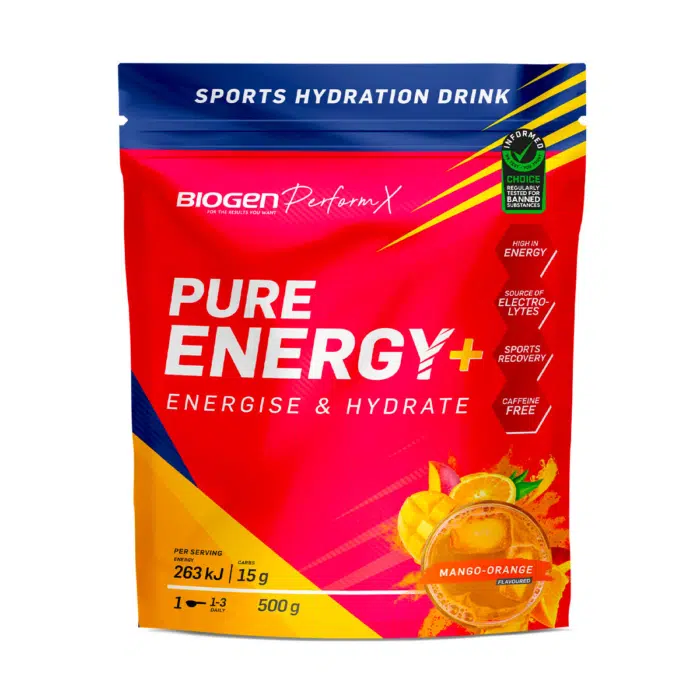 Pure Energy Sports Electrolyte DrinkBiogen | 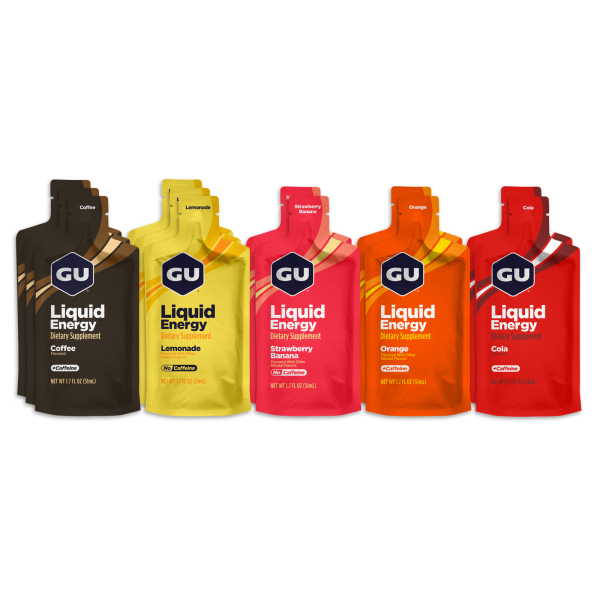 Liquid Energy GelGu |
|---|---|---|
| Form | Powder | Gel |
| Serving | 18 g | 1 packet (approx. 100 calories) |
| Price per serving | R4.26 (best) | R43.25 |
| Carbs per R10 | 35.2 g (best) | 4.6 g |
| Value score | 10/10 (best) | 4.6/10 |
| Energy | 62.9 kcal | 100 kcal |
| Carbs | 15 g | 20 g (best) |
| Sugar | 8.2 g | — |
| Protein | 0 g | — |
| Fat | 0 g | — |
| Sodium | 200 mg | 75 mg |
| Caffeine | None | None |
| Carb type | Maltodextrin | mixed |
| Glucose to fructose | N/A - No specifics provided | — |
| Glycaemic index | 95 | — |
- Biogen is a powdered drink, while Gu is a gel.
- Biogen offers electrolytes; Gu focus is primarily on carbohydrates.
- Gu provides a higher calorie intake per serving compared to Biogen.
- Biogen is more cost-effective per serving than Gu.
How each one works, by distance
Both options could suffice for a 5k, but Gu Gel's convenience supports a quick energy boost pre-race if needed.
For a 5k race, this product may not be necessary unless conditions are extremely hot or humid. Consider using it post-race for recovery.
For a 10k, Gu Gel is handy for a mid-race energy spike, while Biogen aids steady hydration and reduced fatigue.
Use this drink to maintain energy levels and hydration, especially in hot conditions. Consume before or during the race as needed.
In a half-marathon, combining Biogen for ongoing hydration and Gu for strategic energy boosts can be beneficial.
Ideal for maintaining energy and electrolyte balance. Consume during the race to prevent fatigue and dehydration.
For marathons, using Biogen for continuous hydration and electrolytes, paired with Gu Gel for predictable energy bursts, is strategic.
Essential for long-distance events. Use consistently throughout the race to sustain energy and electrolyte levels.
The verdict by situation
Biogen, being a powdered drink, might pose less gut distress compared to Gu if diluted properly, due to lesser osmolality concerns.
Biogen delivers a mixed carb source, potentially supporting up to 90g/h, while Gu's simple carbs may limit absorption to around 60g/h.
For those new to race fuels, Biogen's drink offers simpler dosing and crucial electrolytes to hydrate and fuel. Ideal for those getting used to supplementing.
Experienced athletes might prefer Gu's portable gel for higher-intensity race segments or back-to-back training days, given its compact, calorie-focused design.
Biogen Electrolyte Drink, at a significantly lower price, provides basic energy and electrolyte replenishment, making it a cost-effective choice for regular training.
Both Biogen and Gu have their strengths, tailored to various endurance activities. Biogen is ideal for hydration and frequent use, while Gu suits athletes needing compact calorie delivery. Choosing between the two depends on specific race conditions and individual tolerance.
Questions about these products
Which product should I choose for a short race?
The Gu Gel is preferable if you need quick energy without relying on hydration, whereas the Biogen Drink supports both.
How can I decide between them for my training?
If price is a concern, Biogen offers long-term value. Choose Gu for intense interval training where fast absorption is key.
Is one better for hydration?
Biogen, with its electrolytes and drink form, is better suited for hydration needs during long races.
Which has more carbs?
Biogen contains 15g per serving, primarily from maltodextrin, and Gu focuses on higher calorie content per packet.
Picked your fuel? Put it in your plan.
Glyco places it on your race course by time, at the rate your gut can take, and tracks what you actually used.