GO Isotonic Energy Gel 60ml - Single Unit (Apple) vs PEAK Carb Gel vs Beta Fuel Gel + Electrolyte 60ml - Single Unit (Raspberry & Lemon)
- 3 products side by side
- From each brand's label
GO Isotonic Gel, PEAK Carb Gel, and Beta Fuel Gel offer distinctive features suitable for varying athlete needs. Consider carb content, gut tolerance, and electrolyte levels when choosing the ideal race fuel. Each gel's unique composition caters to different performance goals and experience levels.
| Figure | 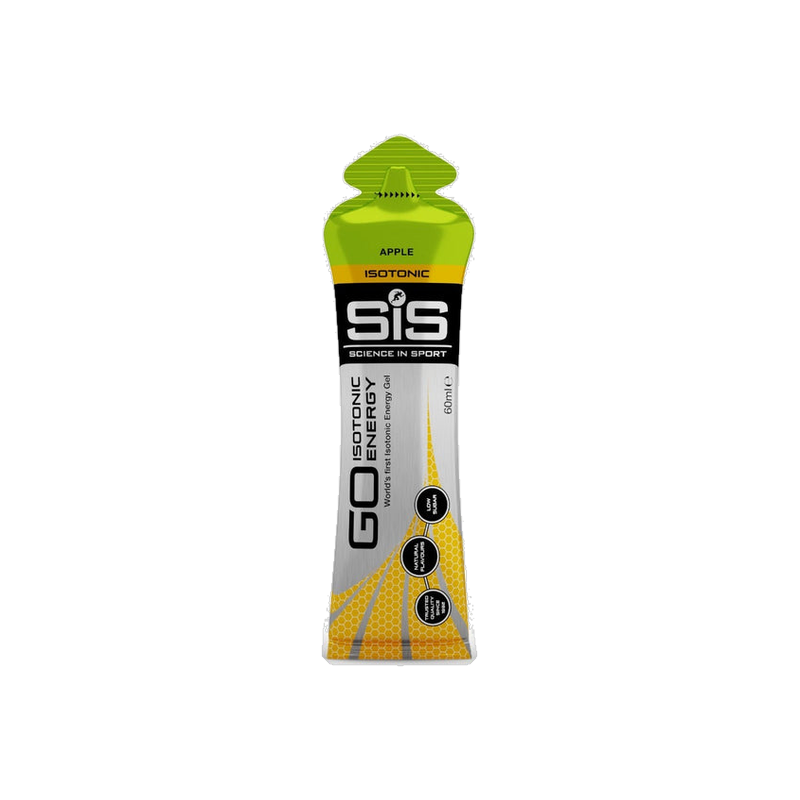 GO Isotonic Energy Gel 60ml - Single Unit (Apple)Science In Sport | 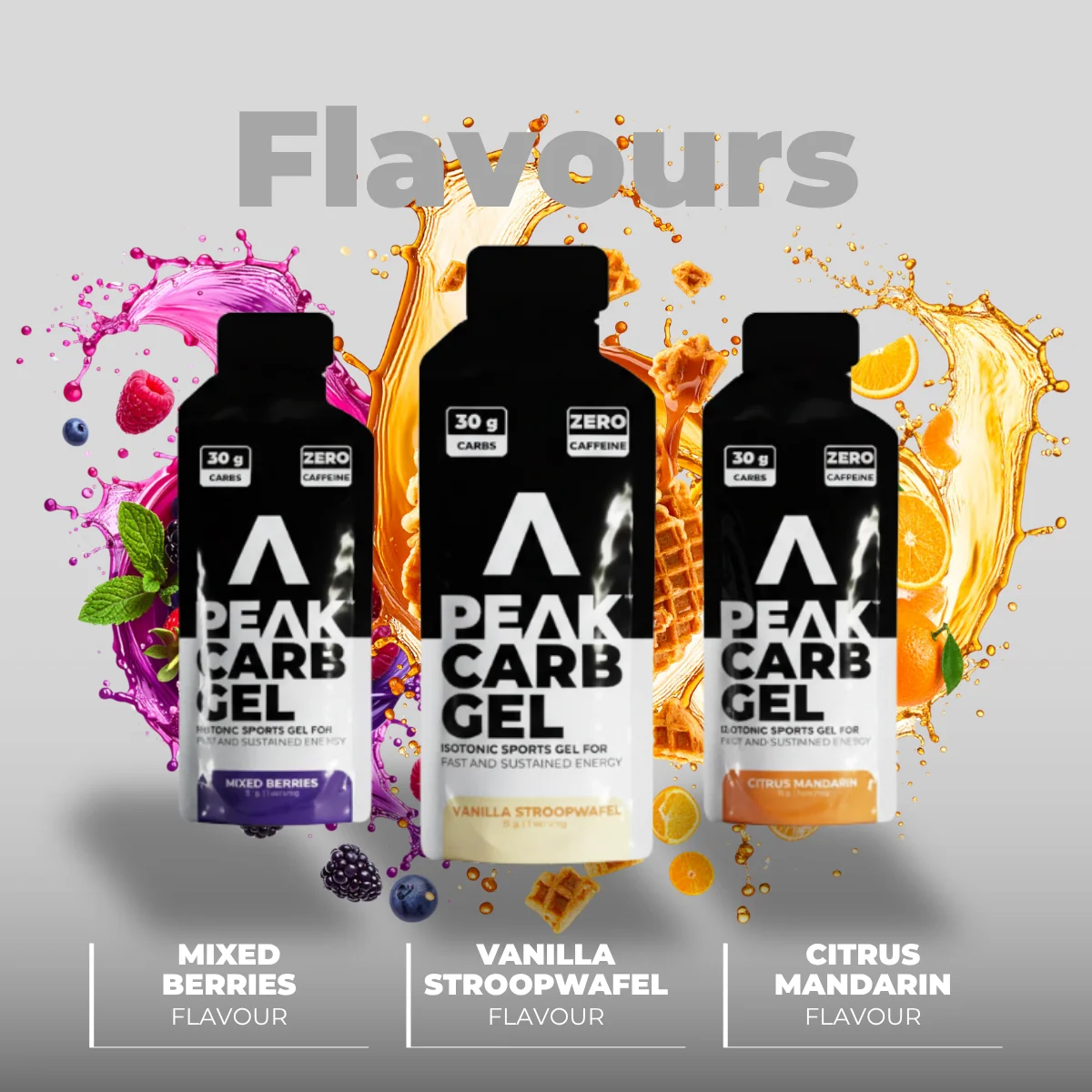 PEAK Carb GelPeak Daily | 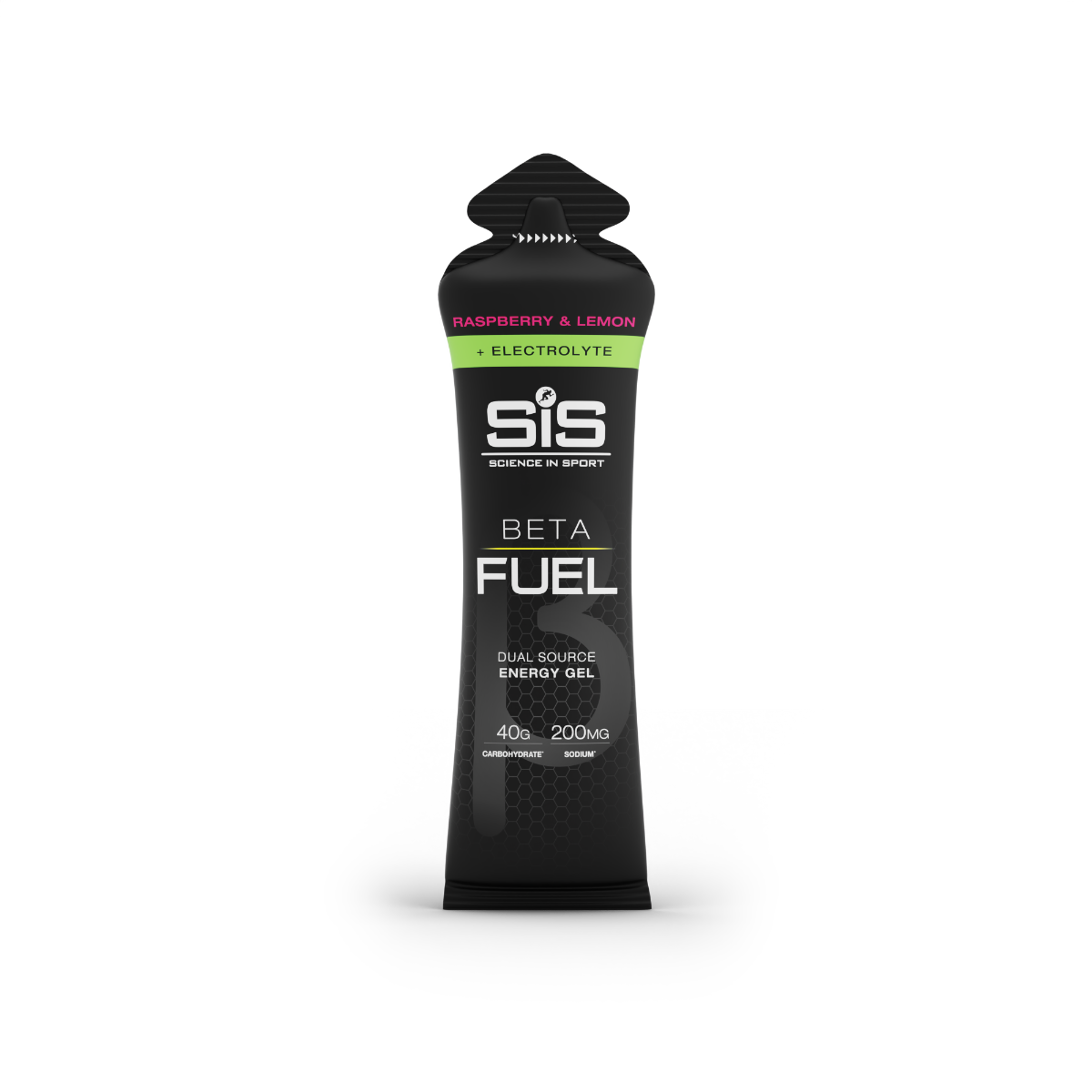 Beta Fuel Gel + Electrolyte 60ml - Single Unit (Raspberry & Lemon)Science In Sport |
|---|---|---|---|
| Form | Gel | Gel | Gel |
| Serving | 60ml | 51g | 60ml |
| Price per serving | R44 | R19.92 (best) | R75 |
| Carbs per R10 | 5 g | 15.6 g (best) | 5.3 g |
| Value score | 2.9/10 | 9.9/10 (best) | 5.7/10 |
| Energy | 87 kcal | 129 kcal | 160 kcal |
| Carbs | 22 g | 31 g | 40 g (best) |
| Sugar | 0.6 g | 13 g | 19 g |
| Protein | 0 g | 0.1 g | 0 g |
| Fat | 0 g | 0.1 g | 0 g |
| Sodium | 10 mg | 77 mg | 530 mg |
| Caffeine | None | None | None |
| Carb type | Maltodextrin | Dual-source carbohydrate blend | Maltodextrin |
| Glucose to fructose | 1:0 | — | 1:0.8 |
| Glycaemic index | — | — | — |
| Score | GO Isotonic Energy Gel 60ml - Single Unit (Apple) | PEAK Carb Gel | Beta Fuel Gel + Electrolyte 60ml - Single Unit (Raspberry & Lemon) |
|---|---|---|---|
| Energy delivery | 60 | 80 | 90 |
| Digestibility | 90 | 90 | 90 |
| Taste | 70 | 70 | 70 |
| Value | 40 | 99 | 57 |
| Convenience | 85 | 95 | 85 |
- PEAK Carb Gel features a dual-source carb blend for better absorption.
- GO Isotonic relies solely on maltodextrin, limiting its carb delivery.
- Beta Fuel provides a significant sodium content for better electrolyte balance.
- The cost varies significantly, with GO Isotonic being cheaper per unit than PEAK Carb Gel.
How each one works, by distance
For a short 5k, the GO Isotonic Gel provides quick energy without needing additional water, suitable for quick exertion.
For a 5k, this gel isn't necessary due to the short duration. Focus on pre-race nutrition instead.
For a 5k race, the quick energy from PEAK Carb Gel isn't necessary, as glycogen stores should suffice. Consider using it post-race for recovery.
For a 5k race, this gel is not necessary due to the short duration. Focus on pre-race hydration and a balanced meal instead.
A 10k runner can benefit from the PEAK Carb Gel due to its sport-friendly isotonic formula, guaranteeing rapid digestion.
Consider consuming one gel 10 minutes before starting to ensure glycogen stores are topped off.
During a 10k, taking a gel 15 minutes before the start can help top off energy stores. Mid-race consumption is generally unnecessary.
In a 10k, consider using this gel if you're racing in hot weather to maintain hydration and electrolyte balance, but it’s generally not essential.
The Beta Fuel Gel is ideal for a half marathon. It provides extensive sodium content, crucial for extended durations.
Consume one gel 10 minutes before the start and another around the 10 km mark to maintain energy levels.
Consume one gel 15 minutes before the start and another at the 10km mark to maintain energy levels. This helps sustain pace without early fatigue.
Consume one gel 15 minutes before the start and another at the 10km mark to maintain energy levels and electrolyte balance, especially if the race is in warm conditions.
Marathoners will appreciate the PEAK Carb Gel for its multi-carb strategy, ensuring sustained energy and less GI distress.
Start with a gel 10 minutes before the race, then every 45 minutes (at 7 km, 14 km, 21 km, 28 km, 35 km) to meet carbohydrate needs.
For a marathon, start with a gel 15 minutes before the race. Continue with one gel every 8-10km, aiming for 60-90g of carbs per hour. Pair with water to aid digestion and absorption.
Start with one gel 15 minutes before the race, then consume one gel every 45 minutes. Aim for a total of 4-5 gels throughout the race, adjusting based on temperature and sweat rate.
The verdict by situation
GO Isotonic Gel has minimal GI distress risk due to low osmolality, but relies solely on maltodextrin. PEAK Carb, with a varied carb blend, might pose a lower risk of distress thanks to its multi-source approach. Beta Fuel balances high sodium content with a lower fructose load, potentially minimizing gut issues.
GO Isotonic is limited to 60g/h due to its single maltodextrin source. PEAK Carb and Beta Fuel exceed 60g/h ceiling with dual-source strategies, enhancing absorption rates.
Beginners might prefer the Beta Fuel Gel due to its substantial sodium content, aiding in electrolyte balance, especially in warm conditions. It provides a stronger electrolyte boost than the others.
Experienced athletes may lean towards the PEAK Carb Gel for its dual-source carbohydrates, enhancing carb absorption rates during intensive training or long races, essential for maintaining energy levels.
The PEAK Carb Gel offers a great balance of value and performance with a good carb blend and moderate electrolyte content, making it a cost-effective option despite its higher initial price.
Choosing the right gel depends on your specific race needs. GO Isotonic Gel caters to quick energy refueling for short distances. PEAK Carb Gel fits longer races with its dual-source carbs and substantial absorption rates. For severe sweat losses, the high sodium content in Beta Fuel Gel is advantageous. Each gel serves distinct athlete levels and race requirements.
Questions about these products
Which gel is best for hot weather races?
Beta Fuel Gel, due to its high sodium content, is better for hot conditions.
Can gels be mixed with other energy sources?
Yes, gels like Beta Fuel can complement other products for varied carbohydrate intake.
Are these gels suitable for diabetic athletes?
Athletes with diabetes should consult a healthcare provider due to varying sugar concentrations in these gels.
How should gels be consumed during long races?
For long races, consume 1-3 gels per hour depending on the gel's carb content and athlete's energy needs.
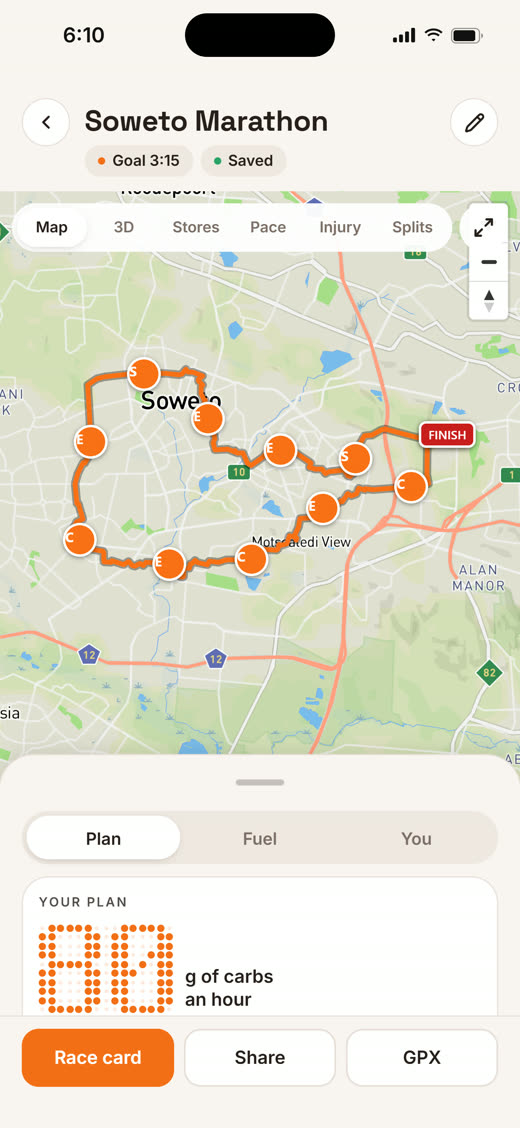
Picked your fuel? Put it in your plan.
Glyco places it on your race course by time, at the rate your gut can take, and tracks what you actually used.