GO Isotonic Energy Gel 60ml - Single Unit (Apple) vs High Energy Gel Single Serving Coffee vs Beta Fuel 60ml Gel - 30 Pack (Neutral) vs HIGH ENERGY GEL 76g - Energy Gel CAFFEINE
- 4 products side by side
- From each brand's label
Energy gels provide a convenient source of carbohydrates for endurance athletes. The GO Isotonic Energy Gel is simple in composition, whereas High Energy Gel by Biogen and Beta Fuel from Science In Sport offer dual-source carbohydrates. The 226ERS gel adds a high caffeine content, making it suitable for longer, more demanding events. Each option suits different race lengths and athlete experience levels.
| Figure | 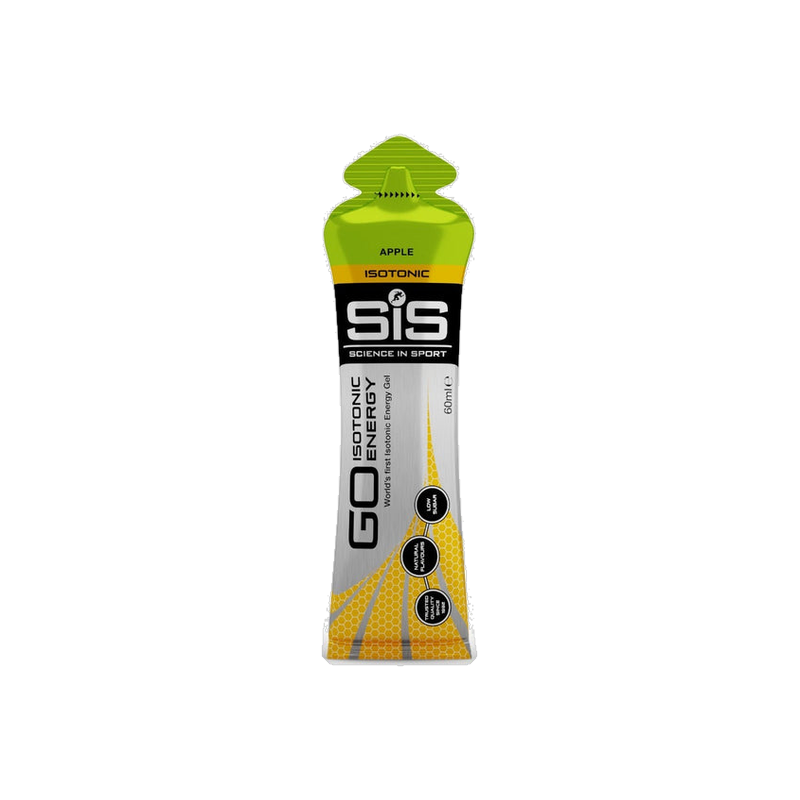 GO Isotonic Energy Gel 60ml - Single Unit (Apple)Science In Sport | 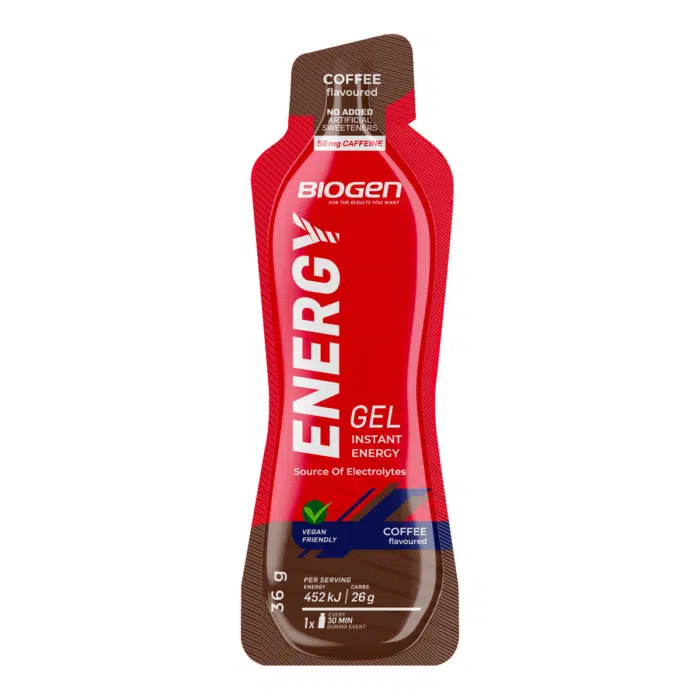 High Energy Gel Single Serving CoffeeBiogen | 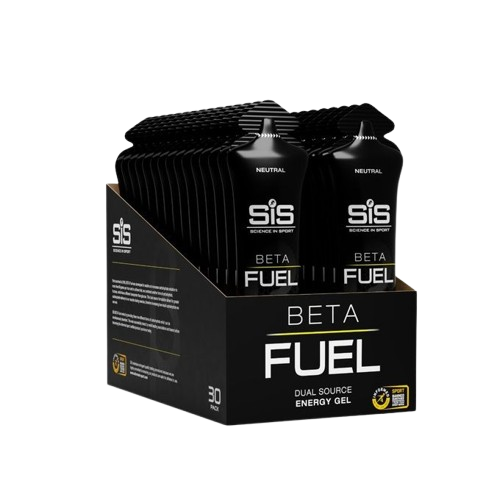 Beta Fuel 60ml Gel - 30 Pack (Neutral)Science In Sport | 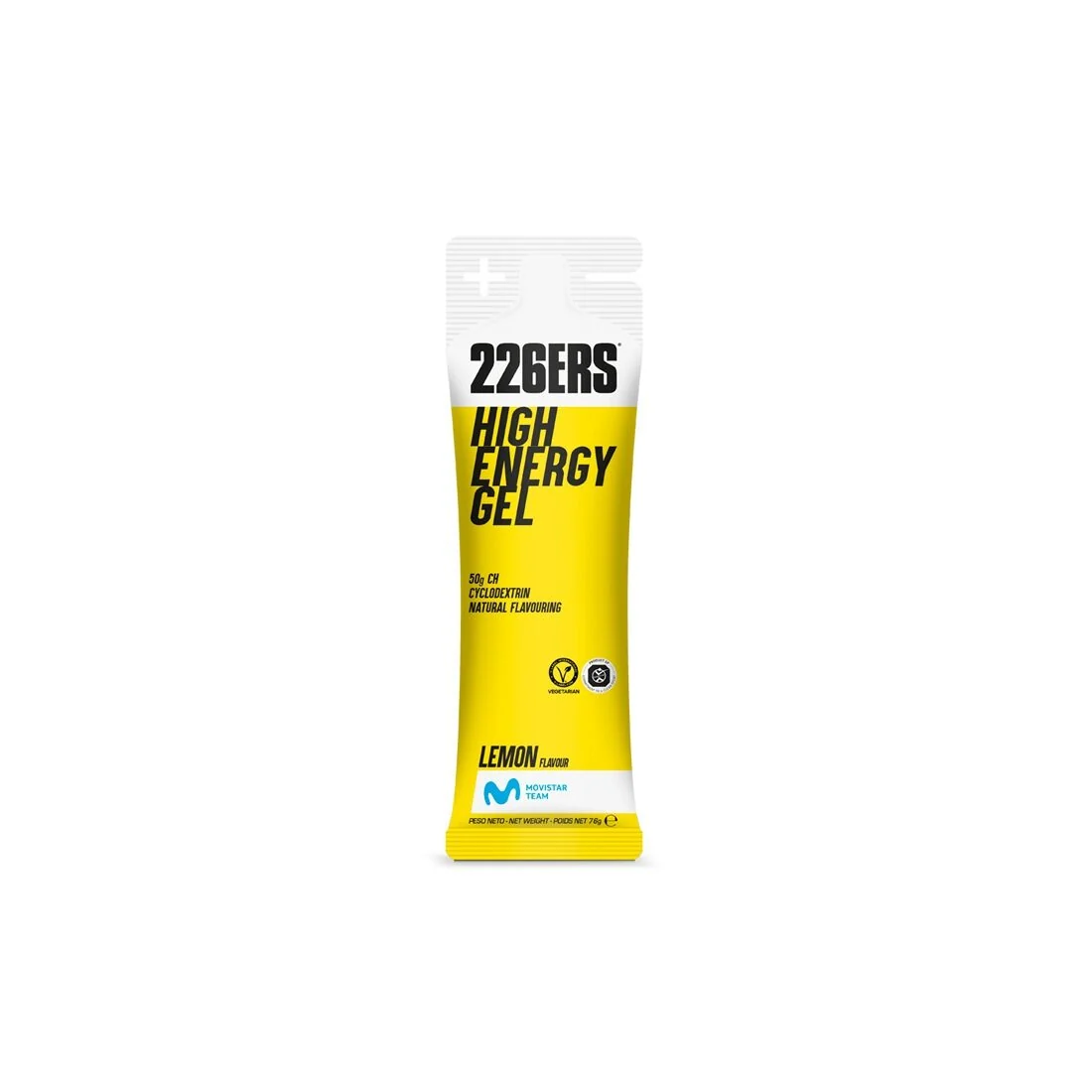 HIGH ENERGY GEL 76g - Energy Gel CAFFEINE226ERS |
|---|---|---|---|---|
| Form | Gel | Gel | Gel | Gel |
| Serving | 60ml | 36g | 1 gel | 76g |
| Price per serving | R44 | R33.99 (best) | R66.60 | R86.99 |
| Carbs per R10 | 5 g | 7.6 g (best) | 6 g | 5.7 g |
| Value score | 2.9/10 | 6.2/10 | 6.5/10 (best) | 6.4/10 |
| Energy | 87 kcal | 108 kcal | 158 kcal | 200 kcal |
| Carbs | 22 g | 26 g | 40 g | 50 g (best) |
| Sugar | 0.6 g | 7.6 g | 19 g | 23 g |
| Protein | 0 g | 0.2 g | 0 g | 0 g |
| Fat | 0 g | 0 g | 0 g | 0 g |
| Sodium | 10 mg | 31 mg | 30 mg | 100 mg |
| Caffeine | None | 50 mg | None | 160 mg |
| Carb type | Maltodextrin | Palatinose | dual-source | mixed |
| Glucose to fructose | 1:0 | Not provided by brand. | 1:0.8 | Not disclosed |
| Glycaemic index | — | — | — | — |
| Score | GO Isotonic Energy Gel 60ml - Single Unit (Apple) | High Energy Gel Single Serving Coffee | Beta Fuel 60ml Gel - 30 Pack (Neutral) | HIGH ENERGY GEL 76g - Energy Gel CAFFEINE |
|---|---|---|---|---|
| Energy delivery | 60 | 90 | 80 | 80 |
| Digestibility | 90 | 70 | 90 | 90 |
| Taste | 70 | 70 | 70 | 70 |
| Value | 40 | 50 | 75 | 80 |
| Convenience | 85 | 90 | 85 | 85 |
- GO Isotonic relies on single-source maltodextrin.
- Biogen includes caffeine, enhancing alertness.
- Beta Fuel supports high carbohydrate intake through dual-source carbs.
- 226ERS gel combines high caffeine with multi-source carbs for prolonged energy.
How each one works, by distance
GO Isotonic Energy Gel is ideal for a quick carbohydrate boost in short races such as 5k, with minimal risk of GI distress.
For a 5k, this gel isn't necessary due to the short duration. Focus on pre-race nutrition instead.
For a 5k race, this gel may not be necessary unless you need a caffeine boost. Consume it 15 minutes before the start.
For a 5k race, this gel is not necessary due to the short duration. Focus on pre-race nutrition instead.
This gel is not recommended for a 5k race due to its high carbohydrate content and caffeine level, which may not be necessary for such a short duration.
Biogen's High Energy Gel offers a caffeine boost and effective carb absorption, suitable for a 10k race with quick energy needs.
Consider consuming one gel 10 minutes before starting to ensure glycogen stores are topped off.
Use this gel 15 minutes before the race to benefit from the caffeine and carbohydrate boost.
Similar to a 5k, a 10k race may not require mid-race gels. Ensure glycogen stores are full pre-race.
For a 10k, consider taking half a gel 15 minutes before the start to utilize the caffeine boost, but full gel consumption might be excessive.
For half marathons, Beta Fuel’s high carbohydrate capacity is beneficial. It provides sustained energy without causing gastrointestinal issues.
Consume one gel 10 minutes before the start and another around the 10 km mark to maintain energy levels.
Consume one gel 15 minutes before the race and another at the halfway mark to maintain energy levels.
Consume one gel 15 minutes before the start and another halfway through. This ensures sustained energy without gastrointestinal discomfort.
Consume one gel 15 minutes before the start and another around the 10 km mark to maintain energy levels and leverage the caffeine for mental focus.
The 226ERS gel is preferred for marathons due to its high carb content, caffeine, and multi-source carbohydrates that ensure long-lasting energy.
Start with a gel 10 minutes before the race, then every 45 minutes (at 7 km, 14 km, 21 km, 28 km, 35 km) to meet carbohydrate needs.
Take one gel 15 minutes before the start and continue with one every 45 minutes to sustain energy throughout the race.
Begin with a gel 15 minutes before the start. Consume one gel every 30-45 minutes, aiming for 80-100g of carbs per hour. Pair with water to aid digestion and absorption.
Start with a gel 15 minutes before the race, then take one every 45 minutes. Aim for 60-75g of carbs per hour, adjusting based on your tolerance and energy needs. Pair with water to aid digestion and hydration.
The verdict by situation
The GO Isotonic Gel's simpler carbohydrate structure is less likely to cause gut distress. The 226ERS, despite high caffeine, balances osmolality with innovative carbohydrates, minimizing GI risks.
GO Isotonic is limited to 60g/hr due to single-source carbs, whereas Biogen's gel can support slightly more due to its semi-mixed blend. Beta Fuel and 226ERS, with dual/multi-source carbs, have a higher ceiling beyond 60g/hr.
Beginners might benefit from the GO Isotonic Energy Gel due to its simpler carbohydrate form, minimizing risk of GI distress. It's affordable and easy to consume.
Experienced athletes could prefer the 226ERS High Energy Gel for long races due to its high caffeine and effective carb blend, which supports sustained effort and focus.
Biogen's High Energy Gel provides a good balance of caffeine and multi-source carbohydrates at a reasonable price, making it a solid choice for mid-distance races.
Each gel offers specific advantages for different scenarios. GO Isotonic Gel is simple and cost-effective, ideal for beginners. Experienced users in longer events benefit from the caffeine and carb complexity of 226ERS, while Beta Fuel suits those needing high carb intake without gastric distress. Biogen's gel balances price and performance, with its caffeine and carbs well suited to moderate distances.
Questions about these products
Which energy gel has the highest carb content?
The 226ERS gel provides the highest carbohydrate content at 50g per serving.
Which gel is best for avoiding caffeine?
GO Isotonic Energy Gel contains no caffeine, making it suitable for athletes avoiding stimulants.
What is the benefit of dual-source carbohydrates?
Dual-source carbs in gels like Beta Fuel enhance carbohydrate absorption rate, increasing energy delivery without exceeding gut tolerance.
How does caffeine content affect gel performance?
Caffeine boosts mental alertness and may improve endurance performance, as seen in Biogen and 226ERS gels, but should be consumed considering individual tolerance.
Picked your fuel? Put it in your plan.
Glyco places it on your race course by time, at the rate your gut can take, and tracks what you actually used.