Carb Race Fuel 300 Energy Powder vs Beta Fuel 60ml Gel - 30 Pack (Orange) vs Beta Fuel Gel + Electrolyte 60ml - Single Unit (Raspberry & Lemon)
- 3 products side by side
- From each brand's label
Three distinct products cater to endurance athletes looking for optimal carbohydrate delivery and energy sustainment during races. The USN Carb Race Fuel provides a high-carb, electrolyte-rich powder suitable for long distances. The Beta Fuel Gel options offer convenient dual-source carbs, with the electrolyte version enhancing suitability for hot conditions.
| Figure | 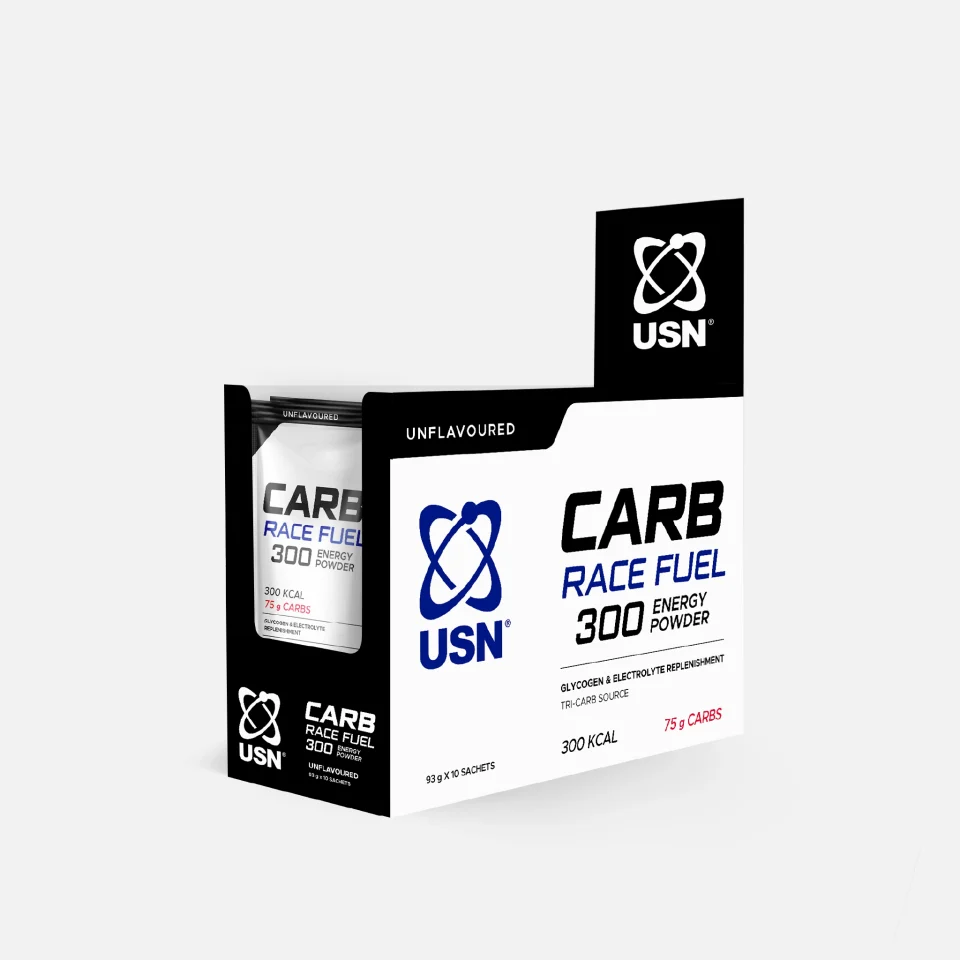 Carb Race Fuel 300 Energy PowderUSN | 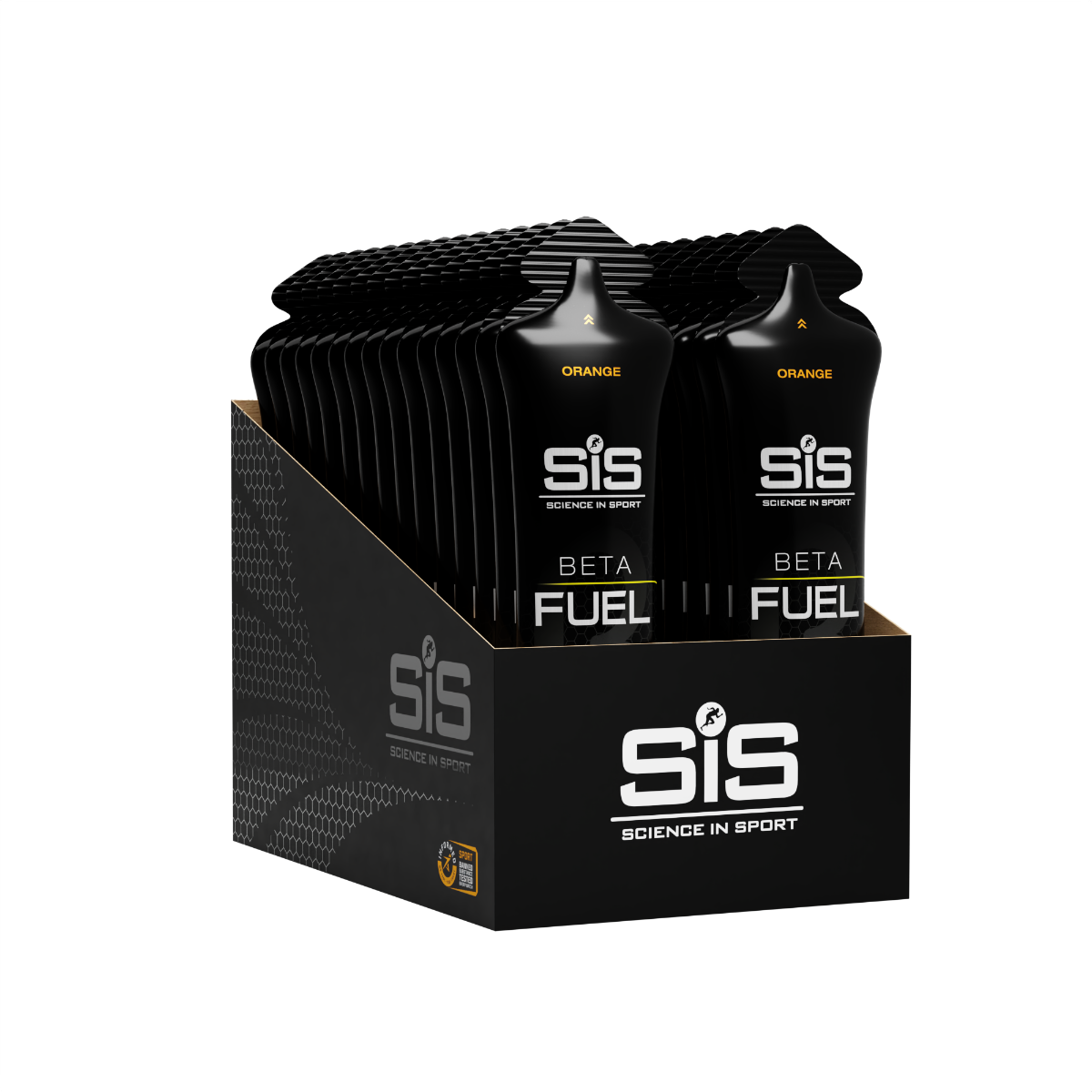 Beta Fuel 60ml Gel - 30 Pack (Orange)Science In Sport | 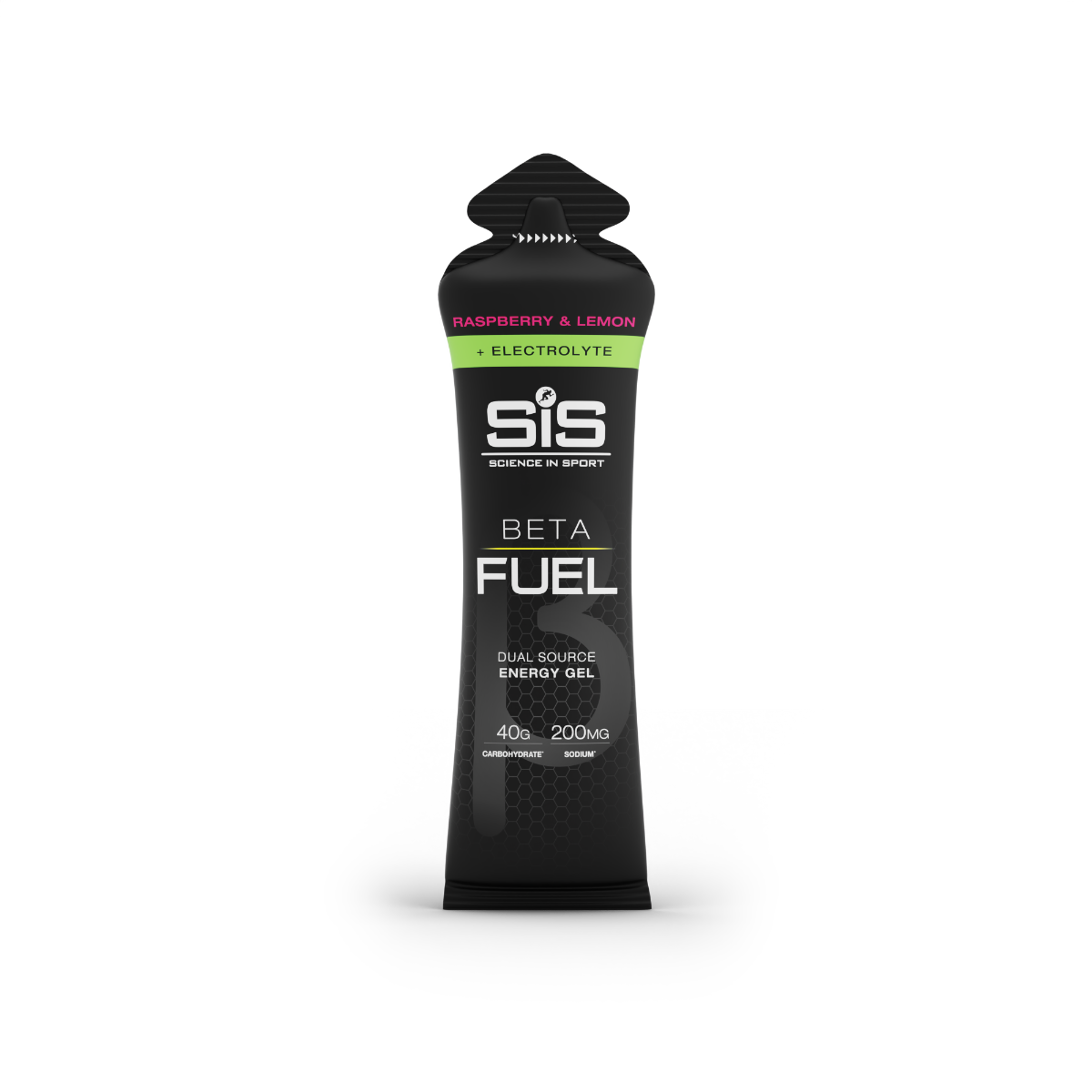 Beta Fuel Gel + Electrolyte 60ml - Single Unit (Raspberry & Lemon)Science In Sport |
|---|---|---|---|
| Form | Powder | Gel | Gel |
| Serving | 80g (1 sachet) | 1 gel | 60ml |
| Price per serving | R26 (best) | R66.60 | R75 |
| Carbs per R10 | 28.8 g (best) | 6 g | 5.3 g |
| Value score | 10/10 (best) | 6.5/10 | 5.7/10 |
| Energy | 300 kcal | 158 kcal | 160 kcal |
| Carbs | 75 g (best) | 40 g | 40 g |
| Sugar | 30 g | 19 g | 19 g |
| Protein | 0 g | 0 g | 0 g |
| Fat | 0 g | 0 g | 0 g |
| Sodium | 550 mg | 30 mg | 530 mg |
| Caffeine | None | None | None |
| Carb type | Maltodextrin | dual-source | Maltodextrin |
| Glucose to fructose | N/A (Tri-Carb matrix) | 1:0.8 | 1:0.8 |
| Glycaemic index | 85 | — | — |
| Score | Carb Race Fuel 300 Energy Powder | Beta Fuel 60ml Gel - 30 Pack (Orange) | Beta Fuel Gel + Electrolyte 60ml - Single Unit (Raspberry & Lemon) |
|---|---|---|---|
| Energy delivery | 90 | 80 | 90 |
| Digestibility | 70 | 90 | 90 |
| Taste | 70 | 70 | 70 |
| Value | 60 | 70 | 57 |
| Convenience | 60 | 85 | 85 |
- USN has higher electrolyte content compared to the gels.
- Beta Fuel gels rely on dual-source carbs, enhancing absorption.
- USN requires prior water mixing, while gels are ready to consume.
- Beta Fuel Gel + Electrolyte is designed for hot conditions, providing extra sodium.
How each one works, by distance
For a 5k race, the gel options are more suitable due to ease of use and rapid carb absorption, though USN's drink mix could be overkill for such a short distance.
Not ideal for a 5k race due to the high carbohydrate content and preparation required. Consider a simpler gel or drink.
For a 5k, this gel might be excessive. Consider using it pre-race only if glycogen stores are low, but generally, it's not needed for such a short distance.
For a 5k race, this gel is not necessary due to the short duration. Focus on pre-race hydration and a balanced meal instead.
A 10k event allows for either gels or the USN powder, with the decision depending on an athlete’s preference for hydration versus solid sources of energy.
May be used if you have a high carbohydrate requirement, but generally more suited for longer distances.
For a 10k race, consuming one gel 15 minutes before the start can help maintain energy levels. During the race, additional gels are unnecessary unless conditions are extreme.
In a 10k, consider using this gel if you're racing in hot weather to maintain hydration and electrolyte balance, but it’s generally not essential.
The Beta Fuel gels, especially the electrolyte version, are apt for this distance, offering dual-source carbs and sodium replenishment.
Good option for a half marathon, providing sustained energy and electrolytes to maintain performance.
Consume one gel 15 minutes before the race and another at the 45-minute mark to sustain energy levels. This strategy helps maintain glycogen stores and delay fatigue.
Consume one gel 15 minutes before the start and another at the 10km mark to maintain energy levels and electrolyte balance, especially if the race is in warm conditions.
The USN Carb Race Fuel powder's higher sodium and potassium content may offer advantages due to prolonged sweat losses over a marathon distance.
Excellent choice for marathon runners needing a high carbohydrate intake and electrolyte support throughout the race.
Start with one gel 15 minutes before the race. Consume another every 30-45 minutes, aiming for 80-100g of carbs per hour. Pair with water to aid absorption and prevent gastrointestinal issues.
Start with one gel 15 minutes before the race, then consume one gel every 45 minutes. Aim for a total of 4-5 gels throughout the race, adjusting based on temperature and sweat rate.
The verdict by situation
The gel products generally pose a lower GI distress risk due to their simple carb structures, while the USN powder, with its higher osmolality and mixed carbs, might challenge some athletes' gut tolerance during intense efforts.
Beta Fuel gels can potentially support a higher carb intake up to 120 g/h with their dual-source system, whereas USN's single-source Tri-Carb matrix peaks at 75 g/h.
Beginners may find the USN Carb Race Fuel powder beneficial due to its complete nutritional profile and ease of mixing. However, it requires planning for hydration compatibility.
Experienced athletes might prefer the Beta Fuel Gels for their convenient packaging and strategic multi-source carb delivery, particularly in high-intensity or hot-weather races.
Despite its overall higher cost per use, the Beta Fuel Gel + Electrolyte provides a balance of carbohydrates and electrolytes, making it a comprehensive choice for endurance events in hotter conditions.
For longer races, the USN powder provides a comprehensive nutrient profile with potent electrolyte replenishment. Meanwhile, the Beta Fuel gels offer rapid carbohydrate delivery and convenience, with the electrolyte version suiting hot conditions well. Investing in these products depends on conditions, individual gut tolerance, and budget considerations.
Questions about these products
Which product is best for short races?
For short races, Beta Fuel gels are preferable due to their convenience and fast-absorbing carbohydrates.
Is there a risk of gut distress with these products?
Gels generally pose less risk of GI distress due to lower osmolality compared to USN's mixed-carb powder.
How does Beta Fuel + Electrolyte differ?
It offers added sodium, catering to hot conditions and enhances water retention.
How should beginners approach these fuel sources?
Beginners should trial these products during training to assess tolerance and absorption, prioritizing hydration needs.
Picked your fuel? Put it in your plan.
Glyco places it on your race course by time, at the rate your gut can take, and tracks what you actually used.